
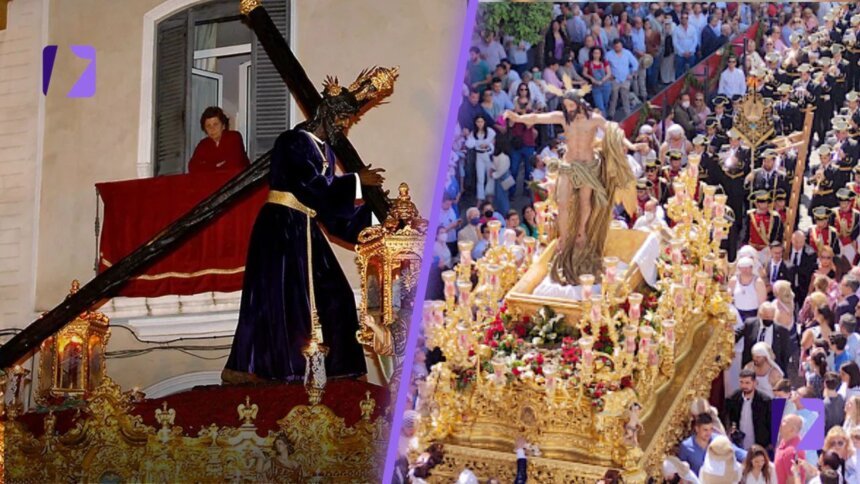
Semana Santa 2026, also known as Holy Week, stands as one of the most spiritually significant periods in the Christian calendar. Observed by millions worldwide, it commemorates the final days of Jesus Christ, from His entry into Jerusalem to His crucifixion and resurrection. In 2026, Semana Santa brings together faith, tradition, culture, and community through solemn rituals, symbolic processions, and deep reflection. While rooted in religion, the week also carries immense cultural importance, especially in countries like Spain and across Latin America.
What Is Semana Santa? Meaning and Religious Significance
Semana Santa translates to “Holy Week” and represents the most sacred time in Christianity. It honors the passion, death, and resurrection of Jesus Christ. Each day recalls a specific biblical event, allowing believers to spiritually relive Christ’s sacrifice. The week emphasizes repentance, humility, forgiveness, and hope. Churches worldwide hold special services, encouraging worshippers to reflect deeply on faith and renewal.
- What Is Semana Santa? Meaning and Religious Significance
- When Is Semana Santa 2026? Complete Holy Week Dates
- Holy Week 2026 Calendar: Day-by-Day Schedule
- Palm Sunday 2026: Beginning of Holy Week
- Holy Monday, Tuesday, and Wednesday Traditions
- The Last Supper and Foot Washing
- Good Friday 2026: Crucifixion, Processions, and Observances
- Holy Saturday 2026: Waiting, Reflection, and Easter Vigil
- Easter Sunday 2026: Resurrection and Celebration
- Traditional Semana Santa Processions Around the World
- Semana Santa 2026 Traditions in Spain
- Semana Santa Celebrations in Latin America
- Religious Symbols and Rituals of Holy Week
- Cultural Importance of Semana Santa in Modern Times
- Travel and Tourism During Semana Santa 2026
- Public Holidays and Work Schedule During Semana Santa 2026
- How Families Observe Semana Santa at Home
- Differences Between Semana Santa and Easter
- Modern Celebrations vs Traditional Observances
- Why Semana Santa 2026 Is Spiritually Important
- Conclusion
- Frequently Asked Questions
When Is Semana Santa 2026? Complete Holy Week Dates
In 2026, Semana Santa begins on 29 Mar 2026 – Sun, 5 Apr 2026, and concludes on Easter Sunday, 5 Apr 2026. These dates depend on the lunar calendar, as Easter follows the first full moon after the spring equinox. The flexible timing makes Semana Santa a movable feast, yet its spiritual importance remains constant every year regardless of date.
Holy Week 2026 Calendar: Day-by-Day Schedule
Holy Week 2026 unfolds over eight spiritually significant days, each carrying unique meaning and observances. It begins with Palm Sunday, celebrating Christ’s triumphant entry into Jerusalem, and continues through Holy Monday, Tuesday, and Wednesday, which focus on teaching, reflection, and preparation. Maundy Thursday commemorates the Last Supper and foot washing, while Good Friday honors the crucifixion with solemn rituals. Holy Saturday offers silence and anticipation, culminating in Easter Sunday, which celebrates the resurrection and the promise of hope. Together, these days provide a structured journey of faith, combining devotion, culture, and community participation.
Palm Sunday 2026: Beginning of Holy Week
Palm Sunday 2026 falls on 29 Mar 2026 – Sun, 5 Apr 2026 and marks the official start of Holy Week. Believers carry palm branches to churches and homes, symbolizing victory, peace, and spiritual triumph. Churches reenact Jesus’ entry into Jerusalem, recalling the crowds that welcomed Him with joy, yet foreshadowing the suffering that awaited. Palm Sunday blends celebration with contemplation, encouraging participants to reflect on humility, faith, and service as essential aspects of Christian life. Streets and churches are often decorated with palms, and processions provide a visual reminder of Christ’s journey.
Holy Monday, Tuesday, and Wednesday Traditions
The early days of Holy Week emphasize reflection, teaching, and preparation for the sacred events ahead. On Holy Monday, believers remember Jesus cleansing the temple, highlighting justice and moral integrity. Holy Tuesday centers on Christ’s teachings, parables, and reminders about faithfulness. Observances on Holy Wednesday focus on Judas’ betrayal, offering a reflection on human weakness and divine grace. Throughout these days, churches hold prayer services, scripture readings, and confessionals, providing congregations the opportunity to engage in spiritual introspection and deepen their understanding of Christ’s mission.
The Last Supper and Foot Washing
Maundy Thursday, observed on 29 Mar 2026 – Sun, 5 Apr 2026, commemorates the Last Supper, during which Jesus shared bread and wine with His disciples, establishing the Eucharist. The day also includes the ritual of foot washing, symbolizing humility, service, and leadership rooted in compassion. Congregations gather for solemn ceremonies, scripture readings, and reflections on selflessness and devotion. Maundy Thursday teaches that true leadership comes from serving others and encourages believers to embrace empathy and care as central tenets of their spiritual lives.
Good Friday 2026: Crucifixion, Processions, and Observances
Good Friday, on April 18, is a day of mourning and remembrance, marking the crucifixion of Jesus Christ. Churches conduct solemn services, often featuring the Stations of the Cross, and communities organize silent processions to dramatize Christ’s suffering. Believers engage in fasting, prayer, and reflection on sacrifice, love, and redemption. Although somber, Good Friday embodies the depth of Christian devotion, emphasizing the transformative power of Christ’s suffering and the hope that arises from understanding His ultimate sacrifice.
Holy Saturday 2026: Waiting, Reflection, and Easter Vigil
Holy Saturday represents a period of quiet reflection and anticipation between the sorrow of Good Friday and the joy of Easter Sunday. Believers meditate on Christ’s death and the promise of resurrection, observing silence and prayer throughout the day. The Easter Vigil, held after sunset, marks the transition from darkness to light with candlelit ceremonies, scripture readings, and baptisms. This night symbolizes hope, renewal, and the triumph of life over death, offering a spiritual bridge between mourning and celebration that reinforces the core messages of Christianity.
Easter Sunday 2026: Resurrection and Celebration
Easter Sunday, falling on April 20, celebrates the resurrection of Jesus Christ, the pinnacle of Christian faith. Churches are adorned with flowers, bells ring, and hymns are sung to express joy and thanksgiving. Families gather to share meals, exchange gifts, and participate in religious services that emphasize forgiveness, renewal, and new beginnings. Easter transforms the solemnity of Holy Week into celebration, symbolizing victory over sin and death, and providing believers with a tangible sense of hope and spiritual fulfillment.
Traditional Semana Santa Processions Around the World
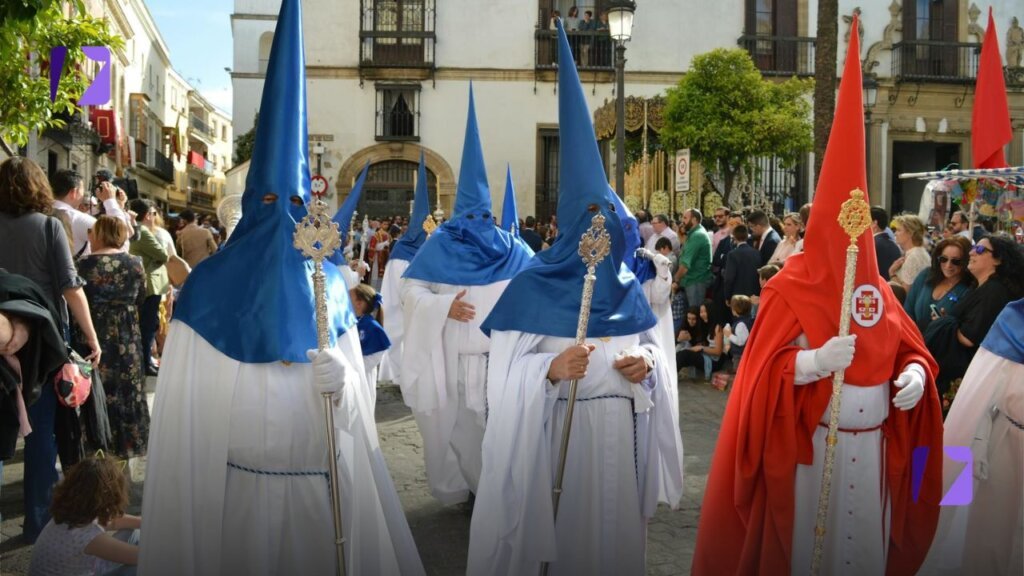
Semana Santa processions form the visual heart of Holy Week across the globe. Participants carry ornate statues depicting biblical scenes through city streets, accompanied by music, incense, and ritual chants. These processions dramatize Christ’s passion and encourage public reflection on spiritual values. Communities unite through shared participation, with artistry, devotion, and history intertwined. Processions create immersive experiences that allow spectators and participants alike to witness faith in action while honoring centuries-old traditions.
Semana Santa 2026 Traditions in Spain
Spain hosts some of the most elaborate and internationally renowned Semana Santa celebrations. Cities such as Seville, Málaga, and Valladolid showcase grand floats, traditional robes, and meticulously choreographed processions. Religious brotherhoods, or cofradías, organize events months in advance, emphasizing precision, devotion, and heritage. Emotional processions combine music, artistry, and public participation, reflecting deep faith and cultural pride. These celebrations not only preserve tradition but also attract tourists worldwide, offering a unique blend of spiritual observance and cultural spectacle.
Semana Santa Celebrations in Latin America
Across Latin America, Semana Santa stands as one of the most vibrant and culturally rich observances, blending indigenous customs with Christian traditions. In countries such as Mexico, Guatemala, Peru, and Colombia, cities and towns host elaborate processions featuring life-size religious statues, dramatic reenactments of biblical events, and traditional music that echoes through streets. Families actively participate in ceremonies, preparing altars, decorating streets with intricate sawdust carpets, and engaging in community rituals that have been passed down for generations. These celebrations not only demonstrate religious devotion but also strengthen social bonds, preserve cultural heritage, and showcase the unique identity of each region.
Religious Symbols and Rituals of Holy Week
Holy Week rituals are laden with symbolic meaning that deepens the spiritual experience for participants. The cross represents Christ’s ultimate sacrifice, while candles symbolize hope, faith, and light overcoming darkness. Palm branches, often carried on Palm Sunday, signify victory and peace, and ritual fasting encourages discipline and spiritual reflection. Incense fills churches and streets during processions, creating an atmosphere of solemnity and reverence. Together, these elements allow believers to engage their senses and emotions, fostering a personal connection to the story of Christ’s passion, death, and resurrection during Semana Santa.
Cultural Importance of Semana Santa in Modern Times
Beyond its religious significance, Semana Santa plays a pivotal role in preserving cultural identity and uniting communities. It offers a shared platform for art, music, traditional crafts, and storytelling, allowing generations to pass down values and customs. Even individuals who do not participate actively in religious practices often engage through tourism, street decorations, and public festivities, helping to keep the celebrations alive. Modern observers balance traditional practices with contemporary life by participating in online broadcasts or attending public events, ensuring that Semana Santa remains relevant and accessible while continuing to celebrate history, heritage, and faith.
Travel and Tourism During Semana Santa 2026
Semana Santa 2026 is expected to draw millions of local and international travelers seeking to witness iconic processions, ceremonies, and cultural events. Tourist activity provides a significant boost to local economies through hospitality, dining, and artisan industries, making Holy Week both a spiritual and economic highlight. Visitors are encouraged to respect religious traditions, dress modestly, and participate thoughtfully, avoiding disruptive behavior during solemn processions. Guided tours, cultural workshops, and public displays help tourists understand the historical and religious significance of each event, enhancing the overall experience while maintaining the sanctity of the celebrations.
Public Holidays and Work Schedule During Semana Santa 2026
In many countries, Maundy Thursday and Good Friday are recognized as official public holidays, giving people time to attend religious services and participate in family traditions. Schools, government offices, and many businesses either close completely or operate with limited hours. This temporary break allows communities to immerse themselves in local celebrations, processions, and prayer services without the pressures of work or school schedules. The exact holiday schedule varies by country, reflecting both historical traditions and government policy, but these days universally provide a pause for reflection, devotion, and communal engagement.
How Families Observe Semana Santa at Home
Families often create intimate celebrations at home to complement public religious observances. These may include prayer sessions, Bible readings, storytelling about the Passion of Christ, and communal fasting or abstinence. Parents teach children about the spiritual meaning behind each day of Holy Week, emphasizing compassion, sacrifice, and reflection. Families may also prepare traditional meals associated with the season, decorate their homes with palms or religious icons, and attend local church services together. Home observances strengthen family bonds, nurture faith in younger generations, and ensure that the spiritual lessons of Semana Santa remain a personal, lived experience.
Differences Between Semana Santa and Easter
While Semana Santa encompasses the entire Holy Week leading up to Easter, Easter itself specifically celebrates the resurrection of Jesus Christ. Semana Santa emphasizes reflection, sacrifice, and remembrance of Christ’s suffering, culminating in solemn processions and rituals. Easter focuses on joy, renewal, and the triumph of life over death, marked by celebratory church services, family gatherings, and symbolic activities like egg hunts. Both observances are interconnected but serve distinct purposes: Semana Santa deepens spiritual understanding and preparation, while Easter celebrates fulfillment, hope, and renewal.
Modern Celebrations vs Traditional Observances
Modern Semana Santa blends ancient customs with contemporary approaches, allowing broader participation while maintaining spiritual integrity. Live streaming of processions, social media coverage, and online church services have expanded access for global audiences. Despite these technological adaptations, traditional observances such as walking in processions, creating sawdust carpets, and performing religious rites remain central to the experience. This balance ensures that faith, community involvement, and cultural heritage coexist, allowing both devout participants and casual observers to honor the significance of Holy Week in meaningful ways.
Why Semana Santa 2026 Is Spiritually Important
Semana Santa 2026 provides a unique opportunity for believers to pause, reflect, and engage deeply with their faith. The observance encourages repentance, gratitude, and introspection, reminding individuals of the importance of moral values, humility, and compassion. In a fast-paced modern world, the week offers structured moments of silence, prayer, and communal devotion. The spiritual lessons of Semana Santa sacrifice, redemption, and hope resonate across generations, reinforcing the timeless message that faith and reflection are essential to personal and societal well-being.
Conclusion
Semana Santa 2026 exemplifies a profound blend of faith, culture, and tradition. From Palm Sunday to Easter Sunday, each day carries unique spiritual, social, and historical significance. Through solemn rituals, colorful processions, and family observances, the week fosters a deeper understanding of Christian teachings while strengthening communal and cultural bonds. Whether experienced publicly in processions or privately at home, Semana Santa continues to unite people worldwide. Its enduring message of hope, sacrifice, and renewal remains relevant and inspiring for believers and cultural enthusiasts alike.
Frequently Asked Questions
When does Semana Santa 2026 start and end?
Semana Santa 2026 begins on 29 Mar 2026 – Sun, 5 Apr 2026 with Easter Sunday.
Is Semana Santa a public holiday everywhere?
Public holidays vary by country, but Good Friday is widely observed.
Why are processions important during Semana Santa?
Processions visually represent biblical events and encourage public reflection.
Can tourists attend Semana Santa events?
Yes, tourists are welcome but should respect religious customs.
What is the most important day of Semana Santa?
Good Friday and Easter Sunday hold the greatest religious significance.
VISIT MORE: APEX MAGAZINE