
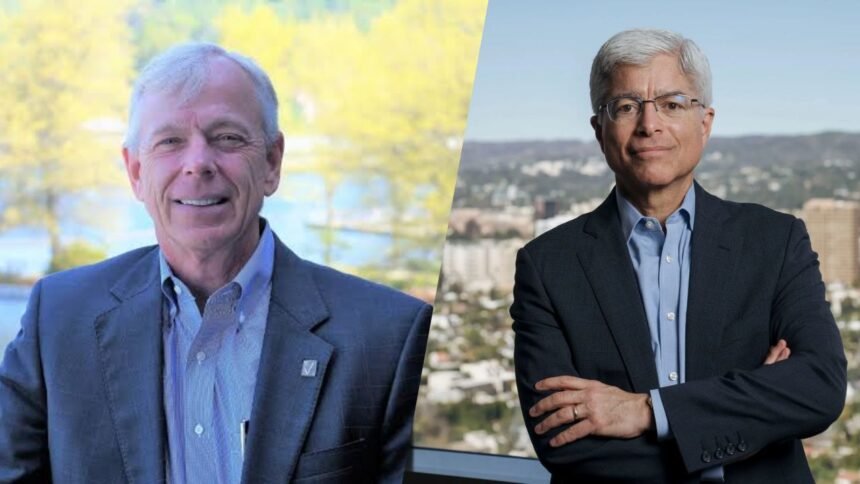
Lowell McAdam and Pedro Pizarro built their careers in different industries, yet both became influential leaders by combining technical knowledge with strategic business experience. McAdam is best known for leading Verizon Communications during a transformative period in telecommunications. Pizarro, meanwhile, has led Edison International, a major energy company whose operations include Southern California Edison. Their careers reflect the changing demands of industries that depend on technology, infrastructure, and long-term investment.
McAdam developed his expertise through telecommunications operations, wireless network development, and executive management. His leadership at Verizon included major decisions about wireless ownership, digital businesses, and the company’s position in a competitive communications market. Pizarro followed a different path, moving from scientific research and management consulting into senior roles within the energy sector. His experience combines technical education with utility operations, corporate strategy, and energy-sector leadership.
- Quick Information Lowell McAdam and Pedro Pizarro
- Who Is Lowell McAdam?
- Who Is Pedro Pizarro?
- How Lowell McAdam Built His Leadership Career
- How Pedro Pizarro Rose Through the Energy Industry
- Lowell McAdam’s Leadership Strategy at Verizon
- Pedro Pizarro’s Leadership Strategy at Edison International
- What Sets Their Leadership Approaches Apart?
- Challenges They Faced as Corporate Leaders
- Their Influence on Business and Industry
- Leadership Lessons From Lowell McAdam and Pedro Pizarro
- Conclusion
- Fact-Check Notes
- Frequently Asked Questions
- Who is Lowell McAdam?
- Who is Pedro Pizarro?
- Are Lowell McAdam and Pedro Pizarro connected professionally?
- What was Lowell McAdam’s major achievement at Verizon?
- What is Pedro Pizarro’s educational background?
- What leadership lessons can be learned from their careers?
- Did Lowell McAdam and Pedro Pizarro work for the same company?
- Why are their leadership legacies worth comparing?
Quick Information Lowell McAdam and Pedro Pizarro
| Quick Fact | Lowell McAdam | Pedro Pizarro |
|---|---|---|
| Full Name | Lowell C. McAdam | Pedro J. Pizarro |
| Nationality | American | American |
| Main Industry | Telecommunications | Energy and electric utilities |
| Major Company | Verizon Communications | Edison International |
| Most Recognized Role | Former chairman and CEO of Verizon | President and CEO of Edison International |
| CEO Appointment | Verizon CEO in 2011 | Edison International CEO in 2016 |
| Chairman Role | Verizon chairman from 2012 | Serves on Edison International’s board |
| Career Background | Engineering and telecommunications operations | Chemistry, management consulting, and energy |
| Undergraduate Education | Cornell University | Harvard University |
| Graduate Education | MBA, University of San Diego | PhD in chemistry, California Institute of Technology |
| Earlier Employer | Pacific Bell and AirTouch Communications | McKinsey & Company |
| Major Leadership Focus | Wireless networks and telecommunications growth | Energy infrastructure and utility operations |
| Notable Business Milestone | Verizon’s full ownership of Verizon Wireless | Leadership across Edison International and Southern California Edison |
| Leadership Strength | Technical and operational management | Scientific, analytical, and strategic experience |
| Professional Legacy | Telecommunications industry transformation | Modern energy-sector leadership |
Who Is Lowell McAdam?
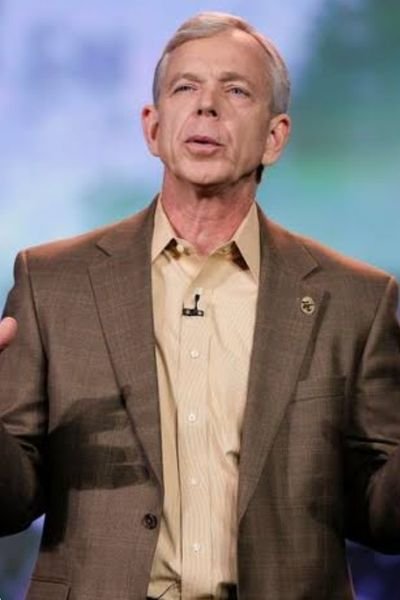
Lowell McAdam is an American business executive who served as chairman and chief executive officer of Verizon Communications. He became CEO in August 2011 and chairman in January 2012. Before taking the top position, he served as Verizon’s president and chief operating officer, overseeing important wireless and wireline operations. His background in engineering and telecommunications gave him a practical understanding of the infrastructure, technology, and business decisions that influence large communications networks.
McAdam studied engineering at Cornell University and earned an MBA from the University of San Diego. He also served in the United States Navy Civil Engineer Corps before advancing through telecommunications management. His career included positions at Pacific Bell, AirTouch Communications, PrimeCo Personal Communications, and Verizon Wireless. These experiences helped him develop expertise in network deployment, business operations, and executive leadership before he became responsible for Verizon’s overall direction.
Who Is Pedro Pizarro?
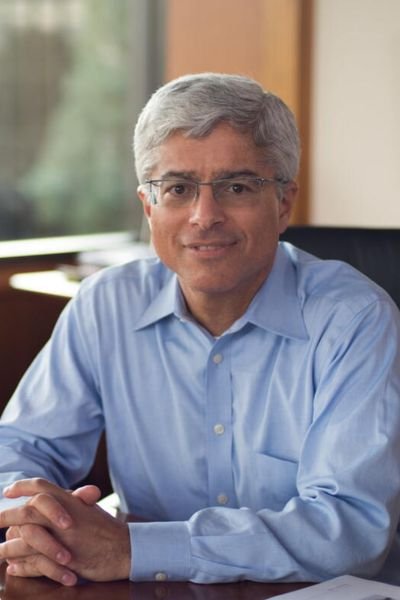
Pedro J. Pizarro is an American business executive who serves as president and chief executive officer of Edison International. The company is the parent organization of Southern California Edison, one of the major electric utilities in the United States. Pizarro became president of Southern California Edison in 2014, then moved into the presidency of Edison International in 2016. He became the parent company’s CEO in October of that year, bringing extensive experience in utility operations and corporate strategy.
Pizarro’s academic background differs from that of many traditional utility executives. He earned a bachelor’s degree in chemistry from Harvard University and a doctorate in chemistry from the California Institute of Technology. Before joining Edison International in 1999, he worked as a senior engagement manager at McKinsey & Company. His consulting experience involved strategy, mergers and acquisitions, and operational challenges. After joining Edison International, he progressed through several leadership positions across the company and its subsidiaries.
How Lowell McAdam Built His Leadership Career
McAdam developed his career by taking on increasingly complex responsibilities in telecommunications. His early positions exposed him to network operations and the expansion of wireless services, while his work at AirTouch and PrimeCo provided experience with cellular ventures and network deployment. He joined Verizon Wireless in 2000 and later became its president and CEO in 2007. Those years helped prepare him to lead a company operating in a rapidly evolving communications market.
His appointment as Verizon CEO in 2011 marked the next stage of that progression. McAdam inherited a large business with established wireline services and a growing wireless operation. He had to manage investment in network capacity, competition among mobile providers, and changing customer expectations. His technical background offered a foundation for decisions involving infrastructure and service delivery, while his executive experience helped him coordinate the financial, operational, and strategic priorities of a nationwide communications company.
How Pedro Pizarro Rose Through the Energy Industry
Pizarro’s professional journey illustrates how scientific training and consulting experience can support a career in corporate leadership. After studying chemistry at Harvard and Caltech, he joined McKinsey & Company, where he worked with clients in energy, technology, engineering services, and banking. This role introduced him to business strategy and organizational decision-making. In 1999, he moved to Edison International, where he began building direct experience in the electric power sector.
His responsibilities expanded across strategy, business development, power procurement, and utility operations. He later led Edison Mission Energy, an independent power producer that was part of Edison International before its assets were sold to NRG Energy in 2014. He subsequently became president of Southern California Edison and then president and CEO of Edison International. This progression gave him experience across both competitive energy markets and regulated utility operations.
Read Exploring the Professional Stories of Amy Hood and Jeff Martin
Lowell McAdam’s Leadership Strategy at Verizon
One of McAdam’s most significant strategic milestones was Verizon’s acquisition of Vodafone’s 45 percent stake in Verizon Wireless, completed in 2014. The transaction gave Verizon full ownership of its wireless business and strengthened its control over a major source of growth. The deal also reflected the importance of mobile services to Verizon’s long-term strategy. Wireless networks had become central to communication, internet access, and digital services, making ownership and investment decisions especially important.
McAdam also supported Verizon’s expansion into digital media and emerging technology markets. The company acquired AOL in 2015 and Yahoo’s operating business in 2017, combining the businesses under the Oath brand. Verizon sought to build a broader digital advertising and content operation alongside its communications services. These moves reflected an effort to diversify revenue and compete in digital markets, although they also highlighted the difficulty telecommunications companies face when expanding beyond their core businesses.
Pedro Pizarro’s Leadership Strategy at Edison International
Pizarro’s leadership at Edison International has centered on the challenges of providing reliable electricity while preparing energy infrastructure for long-term change. Electric utilities must maintain service, invest in equipment, meet regulatory requirements, and respond to evolving expectations around clean energy and resilience. Through Edison International and Southern California Edison, his responsibilities involve balancing these operational demands with capital planning, customer needs, and the financial requirements of major infrastructure projects.
Energy-sector leadership also requires preparation for emergencies and risks to critical infrastructure. Pizarro has participated in industry organizations focused on electric utility policy, innovation, and emergency coordination. These responsibilities reflect the broader role of utility executives in maintaining reliable service and coordinating with public institutions. His leadership operates within a framework shaped by regulation, infrastructure costs, technology, and environmental policy, rather than the more direct consumer-market competition that defines much of the telecommunications business.
What Sets Their Leadership Approaches Apart?
McAdam’s career was closely tied to the growth of wireless communications and the expansion of network-based services. Verizon had to invest in infrastructure while responding to intense competition and rapid changes in mobile technology. His background in engineering and network operations was relevant to decisions about capacity, reliability, and service development. At the same time, acquisitions and digital expansion required him to consider how the company could create additional sources of revenue beyond traditional telecommunications.
Pizarro’s leadership responsibilities involve a different balance of priorities. Electric utilities must provide essential services while managing infrastructure that can take decades to plan, build, maintain, and replace. They also work within regulatory systems that influence investment and customer rates. Pizarro’s scientific education and consulting experience support an analytical approach to complex business decisions. Comparing the two executives shows how leadership methods must respond to the practical demands, financial structures, and public responsibilities of each industry.
Challenges They Faced as Corporate Leaders
McAdam led Verizon during a period of significant technological and competitive change. The company needed to maintain its network performance while investing in faster mobile connectivity and adapting to shifts in consumer behavior. Its moves into digital media also presented integration and competitive challenges. Acquisitions do not automatically create lasting value, and businesses entering unfamiliar markets must establish a clear strategy. Verizon’s experience during this period demonstrated both the ambition and the complexity of expanding beyond a traditional telecommunications model.
Pizarro operates in an energy sector facing its own difficult demands. Utilities must manage aging infrastructure, rising expectations for resilience, changing energy technologies, and the transition toward lower-carbon electricity. In California, wildfire risks and public safety concerns add significant operational and financial pressures for electric utilities. These challenges require careful planning and coordination among regulators, communities, customers, and energy providers. Pizarro’s role involves navigating these competing demands while maintaining reliable service and supporting long-term infrastructure needs.
Their Influence on Business and Industry
McAdam’s influence is connected to Verizon’s development as a major wireless and communications provider. The full acquisition of Verizon Wireless gave the company direct ownership of its wireless business, while investments in digital services reflected the industry’s broader search for growth opportunities. His tenure also coincided with the growing importance of mobile connectivity in daily life and business operations. His professional legacy is therefore closely associated with the evolution of telecommunications and the strategic choices made during that transition.
Pizarro’s influence relates to the management of essential energy infrastructure and the changing needs of electric utilities. Edison International’s operations connect electricity delivery with investment planning, public safety, and energy policy. His leadership also involves industry collaboration on infrastructure resilience and emergency preparedness. Unlike telecommunications services, electricity is a critical utility that customers and businesses depend on continuously. This makes reliability, safety, and long-term planning central measures of leadership in the energy sector.
Leadership Lessons From Lowell McAdam and Pedro Pizarro
McAdam’s career highlights the value of combining technical understanding with operational responsibility. His experience across network development, wireless services, and executive management helped him understand the systems behind Verizon’s business. His journey also demonstrates the importance of making strategic choices during periods of technological change. Leaders must evaluate opportunities carefully, invest in the company’s core strengths, and consider whether expansion into new markets supports a coherent long-term direction.
Pizarro’s career illustrates how knowledge from different fields can contribute to executive leadership. His background in chemistry and consulting was followed by years of experience across energy operations and corporate management. His progression shows the value of analytical thinking, continued professional development, and exposure to different parts of an organization. Together, the two careers suggest that strong leadership depends on understanding an industry’s practical realities, developing a clear strategy, and adapting decisions to changing circumstances.
Conclusion
Lowell McAdam and Pedro Pizarro built their leadership legacies through different professional experiences and strategic responsibilities. McAdam’s career reflects the transformation of telecommunications, including wireless network development, corporate acquisitions, and the expansion of digital services. Pizarro’s career demonstrates how scientific training, consulting experience, and utility management can prepare an executive to lead a major energy organization.
Their journeys also show that effective leadership is closely connected to industry knowledge and the ability to manage change. Telecommunications and energy companies face different risks, yet both depend on infrastructure, innovation, careful investment, and public trust. By examining their careers, readers can better understand how technical expertise and strategic decision-making contribute to leadership in complex industries.
Fact-Check Notes
- Lowell McAdam became Verizon’s CEO in August 2011 and chairman in January 2012. He left the company’s executive leadership at the end of 2018.
- Verizon completed its acquisition of Vodafone’s 45 percent stake in Verizon Wireless in 2014.
- Pedro Pizarro became president and CEO of Edison International in 2016.
- Pizarro earned his undergraduate degree from Harvard University and his doctorate from the California Institute of Technology.
- The article compares their documented professional careers. It does not suggest that they have a direct personal relationship or business partnership.
Frequently Asked Questions
Who is Lowell McAdam?
Lowell McAdam is a former chairman and CEO of Verizon Communications. He became CEO in 2011 and chairman in 2012, leading the company during a period of significant change in wireless communications and digital services.
Who is Pedro Pizarro?
Pedro Pizarro is the president and CEO of Edison International, the parent company of Southern California Edison. He became CEO in 2016 after holding several leadership positions in the energy industry.
Are Lowell McAdam and Pedro Pizarro connected professionally?
They are both senior business leaders associated with major infrastructure industries, but they led different companies. McAdam is known for telecommunications leadership at Verizon, while Pizarro leads Edison International in the energy sector.
What was Lowell McAdam’s major achievement at Verizon?
One of McAdam’s major milestones was Verizon’s 2014 acquisition of Vodafone’s 45 percent stake in Verizon Wireless. The transaction gave Verizon full ownership of its wireless business.
What is Pedro Pizarro’s educational background?
Pizarro earned a bachelor’s degree in chemistry from Harvard University and a doctorate in chemistry from the California Institute of Technology. He later developed business and leadership experience through consulting and executive roles in the energy sector.
What leadership lessons can be learned from their careers?
Their careers highlight the value of technical knowledge, operational experience, strategic planning, and adaptability. They also show how leaders must understand the distinct financial, regulatory, and customer requirements of their industries.
Did Lowell McAdam and Pedro Pizarro work for the same company?
Their principal executive careers developed at different companies. McAdam led Verizon Communications, while Pizarro built his energy-sector career at Edison International and its affiliated businesses.
Why are their leadership legacies worth comparing?
Their careers demonstrate how executive leadership changes according to industry demands. Telecommunications depends heavily on network technology and competitive services, while electric utilities must prioritize reliable infrastructure, public safety, and long-term energy planning.
Explore More APEX MAGAZINE