
Warehousing and logistics operations have evolved rapidly with the growth of e-commerce and global supply chains. As facilities expand, so do the risks related to theft, operational inefficiencies, and safety incidents. According to recent industry insights, around 35 percent of all video surveillance data is already stored in the cloud, reflecting a strong shift toward cloud-based infrastructure. At the same time, the global cloud video surveillance market continues to grow due to increasing demand for scalable and AI-powered monitoring solutions.
Traditional Network Video Recorders have served warehouses for years, but they struggle to keep up with modern operational demands. Cloud-based solutions are now transforming how logistics teams secure facilities and optimize workflows. From real-time visibility to intelligent analytics and cost efficiency, cloud-based recording systems are becoming essential for modern warehouse environments. This article explores the key benefits of cloud NVR for warehouse security and logistics operations.
- Understanding Cloud NVR in Warehouse Environments
- Enhanced Security and Loss Prevention
- Remote Monitoring Across Multiple Locations
- Scalability for Growing Logistics Networks
- Cost Efficiency and Predictable Spending
- Improved Operational Efficiency
- Faster Incident Response and Investigation
- Stronger Data Security and Compliance
- Reduced Maintenance and IT Burden
- Disaster Recovery and Business Continuity
- Integration with Smart Logistics Technologies
- Challenges to Consider
- Conclusion
- Frequently Asked Questions
Understanding Cloud NVR in Warehouse Environments
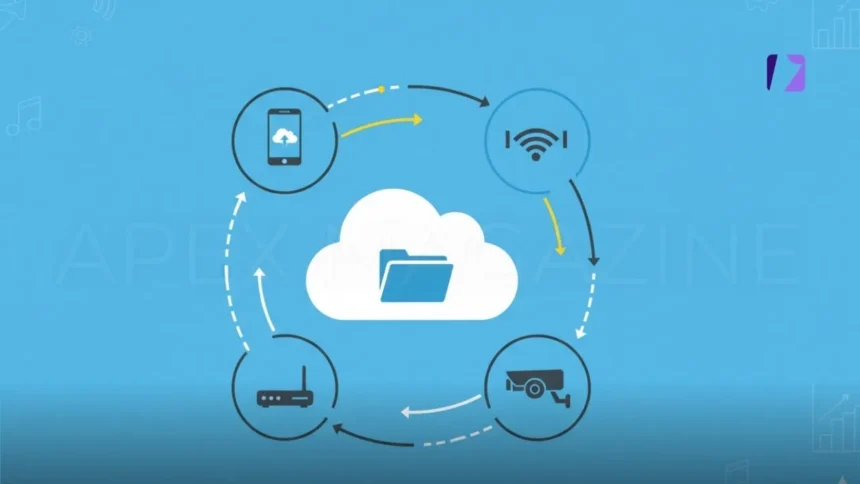
A cloud NVR is a system that stores and manages video surveillance footage in the cloud rather than on local hardware. This enables remote access, centralized monitoring, and seamless scalability across multiple locations.
For warehouses, this means security teams can monitor operations without being physically present, while leadership gains access to real-time insights across facilities.
Modern solutions such as Coram’s cloud nvr take this a step further by combining cloud storage with AI-powered video analytics. These platforms allow users to search footage using simple queries, track activity across sites, and integrate seamlessly with existing IP cameras.
This shift is particularly valuable in logistics, where operations are fast-paced and distributed.
Enhanced Security and Loss Prevention
Warehouses handle high-value goods, making them frequent targets for theft and internal shrinkage. Cloud NVR systems strengthen security by storing footage off-site with redundancy.
Even if physical equipment is damaged or stolen, video data remains protected in the cloud.
In addition, cloud systems provide:
- Real-time alerts for suspicious behavior
- AI-based detection of intrusions or unusual movement
- Faster incident investigation through searchable video
These capabilities significantly reduce response time and improve overall security outcomes.
Remote Monitoring Across Multiple Locations
Logistics operations often span multiple warehouses and distribution centers. Managing security across these sites using traditional systems can be inefficient.
Cloud NVR enables centralized monitoring through a single dashboard. Managers can access live feeds and recorded footage from anywhere, allowing faster decisions and better oversight.
This is especially useful for:
- Regional distribution networks
- Third-party logistics providers
- Multi-site warehouse operators
Remote monitoring ensures consistent security policies across all locations.
Scalability for Growing Logistics Networks
Warehouse operations are dynamic. Businesses frequently expand, add temporary storage spaces, or scale up during peak seasons.
Cloud NVR systems are designed for scalability. Unlike traditional systems that require new hardware for expansion, cloud solutions allow organizations to add cameras and locations with minimal effort.
This flexibility makes it easier to adapt to changing operational demands without significant capital investment.
Cost Efficiency and Predictable Spending
Traditional NVR systems require significant upfront investment in hardware, installation, and maintenance. These costs can quickly add up, especially for large facilities.
Cloud NVR offers a more flexible pricing model. Instead of large capital expenses, businesses pay predictable monthly fees.
For example, traditional systems can cost thousands of dollars upfront, while cloud systems reduce initial setup costs and ongoing maintenance expenses.
This shift allows logistics companies to allocate resources more effectively and reduce financial risk.
Improved Operational Efficiency
Cloud NVR systems provide more than just security. They also deliver valuable operational insights.
By analyzing video data, warehouse managers can identify inefficiencies in workflows and optimize processes.
This includes:
- Monitoring loading and unloading activities
- Identifying bottlenecks in operations
- Tracking vehicle and forklift movement
- Improving workforce productivity
AI-powered systems can even highlight patterns and trends, helping businesses make data-driven decisions.
Faster Incident Response and Investigation
In warehouse environments, delays in responding to incidents can result in financial losses and operational disruptions.
Cloud NVR enables real-time alerts and instant access to footage. Security teams can quickly review events, share video clips, and take action.
Advanced search capabilities also allow users to find specific incidents without manually reviewing hours of footage, significantly reducing investigation time.
Stronger Data Security and Compliance
Data security is critical for logistics operations that handle sensitive inventory and operational information.
Cloud NVR systems use modern cybersecurity practices such as encryption, access controls, and secure authentication.
Because data is stored in secure cloud environments, the risk of loss due to hardware failure or theft is minimized.
These systems also support compliance by maintaining secure and auditable records.
Reduced Maintenance and IT Burden
Traditional surveillance systems require ongoing maintenance, including hardware management and software updates.
Cloud NVR eliminates much of this burden. Service providers handle updates, storage management, and system optimization.
This allows IT teams to focus on strategic initiatives rather than routine maintenance tasks.
Disaster Recovery and Business Continuity
Warehouses face risks such as fire, natural disasters, and vandalism. In traditional systems, these events can result in permanent loss of video data.
Cloud NVR systems provide built-in redundancy and backup. Footage is stored in multiple locations, ensuring it remains accessible even during disruptions.
This is essential for insurance claims, legal investigations, and maintaining operational continuity.
Integration with Smart Logistics Technologies
Modern warehouses rely on automation, IoT devices, and advanced analytics. Cloud NVR integrates seamlessly with these technologies.
This enables a unified system where video surveillance works alongside access control, inventory systems, and logistics software.
The result is improved visibility, smarter decision-making, and more efficient operations.
Challenges to Consider
While cloud NVR offers many advantages, there are a few considerations:
- Dependence on reliable internet connectivity
- Increased bandwidth requirements
- Compliance with data storage regulations
However, many systems address these challenges through hybrid storage and optimized data usage.
Conclusion
Cloud NVR is transforming warehouse security and logistics operations by offering scalability, flexibility, and advanced analytics. As supply chains become more complex, the need for intelligent and centralized surveillance systems continues to grow.
By adopting cloud-based solutions, logistics companies can enhance security, improve efficiency, and prepare for future challenges. In an industry where visibility and speed are critical, cloud NVR provides a powerful foundation for smarter and safer operations.
Frequently Asked Questions
What is a cloud NVR system?
A cloud NVR stores and manages video footage in the cloud, allowing remote access, centralized monitoring, and scalability.
How does cloud NVR improve warehouse security?
It provides real-time alerts, remote monitoring, off-site storage, and faster incident investigation.
Is cloud NVR suitable for logistics operations?
Yes, it is ideal for multi-site operations and growing warehouse networks due to its scalability and flexibility.
Does cloud NVR reduce costs?
It reduces upfront hardware costs and ongoing maintenance expenses through a subscription-based model.
What happens if the internet goes down?
Many systems continue recording locally and sync data once the connection is restored.
VISIT MORE: APEX MAGAZINE