
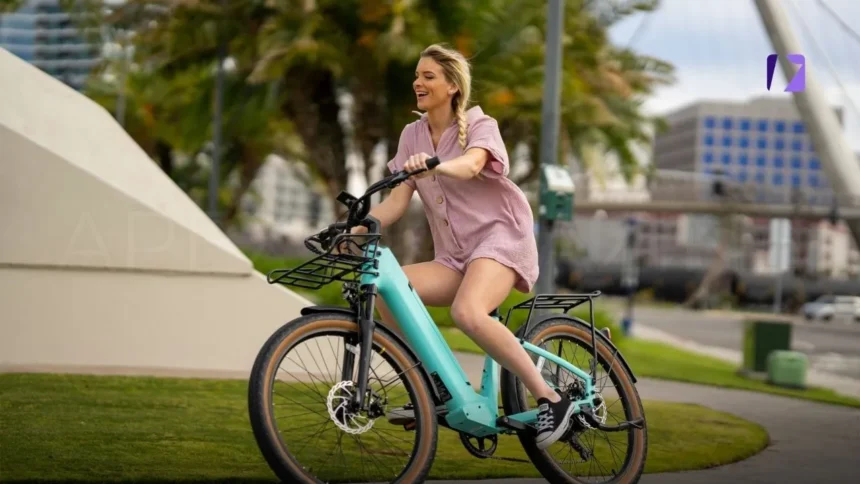
Electric bicycles, commonly known as eBikes, are bicycles equipped with an electric motor that assists with pedaling. Unlike traditional bikes, eBikes provide a boost that makes riding easier, especially over long distances or uphill terrains.
Over the past decade, eBikes have evolved from niche gadgets into mainstream transportation solutions. Today, they’re reshaping how people think about mobility, especially for short-distance travel. From quick grocery runs to daily commutes, eBikes are becoming the go-to option.
- Why Short-Distance Travel Matters
- The Rise of eBikes in Urban Areas
- Environmental Benefits of eBikes
- Cost Efficiency Compared to Traditional Transport
- Health and Lifestyle Improvements
- Convenience and Accessibility
- Technology Advancements in eBikes
- eBikes vs Traditional Bicycles
- eBikes vs Cars for Short Trips
- Role of eBikes in Smart Cities
- Challenges and Limitations
- Safety Considerations
- Future of Short-Distance Travel with eBikes
- Conclusion
- Frequently Ask Question
Why Short-Distance Travel Matters
Short trips—typically under 5 miles make up a large percentage of daily travel worldwide. Ironically, these are often done using cars, which leads to:
- Increased traffic congestion
- Higher emissions
- Wasted fuel
- Longer travel times
This is exactly where how eBikes are changing the way people travel short distances becomes incredibly relevant. They provide a smarter, faster, and more efficient alternative.
The Rise of eBikes in Urban Areas
Growth Trends Worldwide
The popularity of eBikes has surged globally. Cities across Europe, Asia, and North America are witnessing record sales and increased adoption rates.
Key reasons include:
- Rising fuel costs
- Environmental awareness
- Urban congestion
- Government incentives
In fact, many cities are investing heavily in cycling infrastructure to support this growing trend.
Urban Congestion Solutions
Traffic congestion is one of the biggest challenges in modern cities. eBikes offer a simple yet powerful solution:
- They take up less space
- They can use bike lanes
- They reduce reliance on cars
As a result, commuters can bypass traffic and reach destinations faster. This efficiency is one of the biggest ways how eBikes are changing the way people travel short distances.
Environmental Benefits of eBikes
Reduced Carbon Emissions
One of the most compelling advantages of eBikes is their environmental impact. Compared to cars, eBikes produce significantly fewer emissions.
| Mode of Transport | CO₂ Emissions per Mile |
| Car | High |
| Bus | Medium |
| eBike | Very Low |
Switching even a portion of short trips to eBikes can drastically reduce a city’s carbon footprint.
Sustainable Transportation
eBikes contribute to a cleaner, greener future by:
- Reducing fossil fuel dependency
- Lowering air pollution
- Promoting eco-friendly commuting
For environmentally conscious individuals, eBikes are a no-brainer.
Cost Efficiency Compared to Traditional Transport
Savings on Fuel
Fuel prices continue to rise, making car travel increasingly expensive. eBikes, on the other hand:
- Run on rechargeable batteries
- Cost only pennies per charge
- Eliminate fuel expenses entirely
This makes them a cost-effective solution for daily commuting.
Maintenance Advantages
eBikes also have lower maintenance costs compared to cars. While traditional vehicles require:
- Oil changes
- Engine repairs
- Expensive parts
eBikes are simpler and cheaper to maintain. This affordability is another reason how eBikes are changing the way people travel short distances is gaining attention.
Health and Lifestyle Improvements
Physical Activity Benefits
Even though eBikes have motors, they still require pedaling. This means users get:
- Light to moderate exercise
- Improved cardiovascular health
- Increased stamina
It’s a perfect balance between convenience and fitness.
Mental Well-being
Riding an Torque Sensor EBike can also boost mental health:
- Reduces stress
- Improves mood
- Encourages outdoor activity
Compared to sitting in traffic, riding an eBike feels refreshing and enjoyable.
Convenience and Accessibility
Easy Commuting
eBikes make commuting simple and efficient:
- No waiting in traffic
- Faster travel times
- Flexible routes
They’re especially useful for short trips where driving feels unnecessary.
Parking Advantages
Finding parking in busy areas can be a nightmare. Commuter Ebike solve this problem by:
- Requiring minimal space
- Allowing easy storage
- Eliminating parking fees
Technology Advancements in eBikes
Battery Innovations
Modern eBikes feature advanced lithium-ion batteries that offer:
- Longer range
- Faster charging
- Improved durability
These advancements have made eBikes more reliable than ever.
Smart Features
Today’s eBikes come equipped with:
- GPS tracking
- Smartphone integration
- Digital displays
These features enhance user experience and make riding more enjoyable.
eBikes vs Traditional Bicycles
Key Differences
| Feature | eBike | Traditional Bike |
| Motor Assistance | Yes | No |
| Effort Required | Less | More |
| Speed | Higher | Lower |
Performance Comparison
eBikes allow riders to travel longer distances with less effort, making them ideal for commuting.
eBikes vs Cars for Short Trips
Efficiency Analysis
For short distances, eBikes often outperform cars:
- Faster in traffic
- Lower costs
- Eco-friendly
Traffic Navigation
eBikes can:
- Use bike lanes
- Avoid congestion
- Take shortcuts
This makes them highly efficient for urban travel.
Role of eBikes in Smart Cities
Integration with Public Transport
Many cities are integrating eBikes with public transport systems. Riders can:
- Combine biking with trains or buses
- Reduce total commute time
Infrastructure Development
Governments are investing in:
- Bike lanes
- Charging stations
- Parking facilities
These developments support the growing use of eBikes.
Challenges and Limitations
Battery Range Concerns
While improving, battery range can still be a limitation for longer trips.
Regulatory Issues
Different regions have varying laws regarding:
- Speed limits
- Licensing
- Helmet requirements
Safety Considerations
Protective Gear
Riders should always use:
- Helmets
- Reflective clothing
- Lights
Road Awareness
Safe riding requires:
- Following traffic rules
- Staying alert
- Avoiding distractions
Future of Short-Distance Travel with eBikes
Market Predictions
The eBike market is expected to grow rapidly in the coming years due to:
- Technological advancements
- Increased demand
- Government support
Innovation Trends
Future innovations may include:
- Longer battery life
- AI-powered navigation
- Lightweight materials
Conclusion
There’s no denying that how eBikes are changing the way people travel short distances is a transformative shift in modern transportation. They offer a compelling combination of efficiency, sustainability, affordability, and convenience.
As cities continue to evolve and prioritize eco-friendly solutions, eBikes are set to play a central role in shaping the future of urban mobility. Whether you’re looking to save money, reduce your carbon footprint, or simply enjoy a better commuting experience, eBikes present a powerful and practical solution.
Frequently Ask Question
Are eBikes suitable for daily commuting?
Yes, eBikes are ideal for daily commuting, especially for short distances. They’re efficient, cost-effective, and environmentally friendly.
How fast can eBikes go?
Most eBikes can reach speeds of 20–28 mph, depending on the model and regulations.
Do eBikes require a license?
In many regions, eBikes do not require a license, but it depends on local laws.
How long does an eBike battery last?
Typically, an eBike battery lasts between 20 to 70 miles per charge, depending on usage.
Can eBikes replace cars?
For short distances, yes. eBikes are a practical alternative to cars for many daily trips.
VISIT MORE: APEX MAGAZINE