

We often plan our trips for months, dreaming of the moment we finally step off the plane or pull into a new city. But a strange thing happens once we get there: our minds stay stuck in the “before” or the “after.” We worry about whether the hotel room is ready, we stress over the dinner reservation three hours away, or we spend our time looking at the world through a phone screen to get the perfect photo.
The Vacation Auto-Pilot
Psychologists call this “vacation auto-pilot.” Even in beautiful destinations, our brains often stay stuck in loops of stress and planning. You are physically present, but mentally miles away. This happens because travel disrupts our routines, causing the mind to retreat into familiar worries for safety.
To break this cycle, you must treat presence as a skill. Modern wellness tools are excellent for bridging this gap; for instance, checking the Liven app review might lead you to a platform that tracks your moods and encourages mindfulness. These tools make it easier to notice when you have drifted back into your “to-do” list. By building simple habits that anchor you in the “now,” you transform a stressful trip into a true journey of self-discovery.
The First Impression Walk
One of the best ways to tell your brain that it is safe to relax is to explore your surroundings without a plan. As soon as you arrive at a new destination, leave your phone in your pocket and take a fifteen-minute walk. Don’t use a map and don’t look for a specific landmark.
During this walk, play a simple game: find three unique colors you don’t see at home, or listen for three specific sounds that are new to you. This active observation signals to your nervous system that you are an explorer, not a victim of a hectic schedule. It opens up your “explorer’s mind,” helping you feel a sense of wonder rather than a sense of rush. These first fifteen minutes can set the tone for your entire stay.
The Savoring Ritual
Food and drink are some of the best parts of traveling, yet we often eat while looking at a map or scrolling through social media. To stay present, try to dedicate at least one meal or coffee break each day to total silence and focus. This is called “savoring.”
When your coffee arrives, notice the warmth of the cup against your hands. Take a moment to smell the aroma before your first sip. When you eat, pay attention to the textures and the specific spices used in the local cuisine. By focusing entirely on your senses, you pull your mind away from future-focused anxieties. It is very hard to worry about tomorrow’s train schedule when you are fully focused on the delicious taste of a fresh pastry or a spicy local soup.
The Power of the Analog Anchor
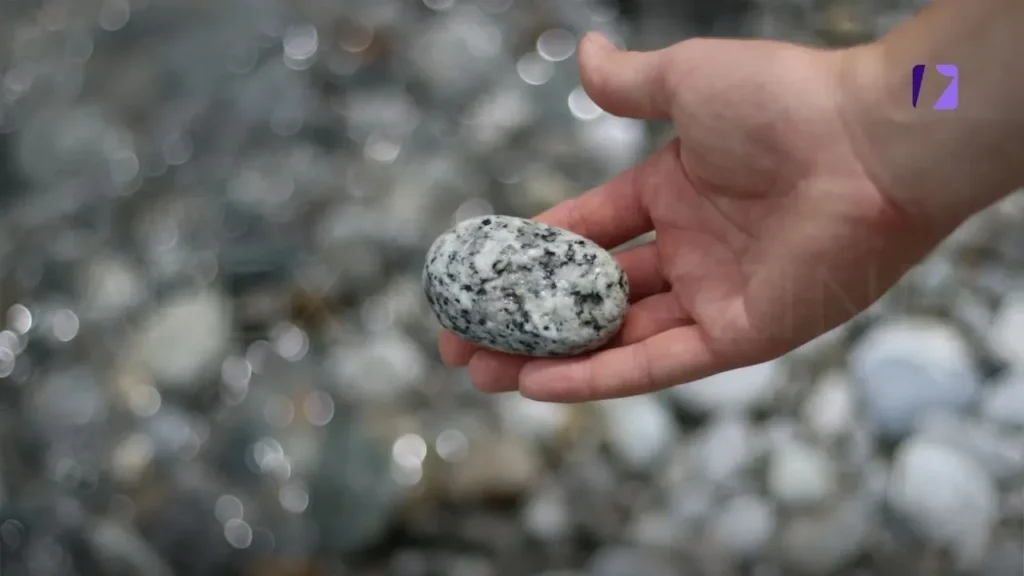
In our digital world, we are constantly pulled away from our physical environment by notifications and emails. A great way to stay present is to carry an “analog anchor.” This is a physical object that reminds you to stay in the real world. It could be a smooth stone you found on a beach, a small paper notebook, or even a physical paper map of the city.
Whenever you feel your hand reaching for your phone out of habit or boredom, touch your anchor instead. Feel the texture of the paper or the weight of the stone. This tactile sensation acts as a “reset” button for your brain. It reminds you that the most important thing happening right now is what is right in front of you, not what is happening on a screen miles away.
The One Good Conversation Rule
We often travel in a bubble, especially if we are with friends or family. However, interacting with the people who actually live in the place you are visiting is a powerful way to stay present. Make it a goal to have at least one brief, meaningful interaction every day.
This doesn’t have to be a long life story. It can be as simple as asking a shopkeeper, “What is your favorite thing about this neighborhood?” or asking a local at a park how long they have lived there. Social connection requires us to listen and respond in real-time, which naturally stops the internal monologue of our own worries. These small moments of human connection often become the “mental souvenirs” that stay with us much longer than any gift shop trinket.
The Nightly Mental Snapshot
At the end of a busy day, it is tempting to just scroll through your camera roll to see what you did. Instead, try a different approach. Before you go to sleep, close your eyes and “re-play” one specific moment from the day in as much detail as possible.
Don’t just think about what you saw. Recall the feeling of the wind on your face, the specific shade of the sunset, or the sound of the nearby fountain. This habit strengthens your memory pathways and helps you process the day’s experiences with a sense of gratitude. It allows you to end your day feeling “complete” rather than just exhausted.
The Journey is the Destination
Ultimately, staying present isn’t about ignoring your plans or pretending that travel isn’t sometimes stressful. It is about realizing that your life is happening right now, even in the middle of a long flight or a crowded terminal.
By using these simple habits walking without a map, savoring your food, using a physical anchor, talking to others, and reflecting at night you ensure that you don’t just “go” on a trip, but that you are actually there for it. These small acts of presence are what turn a standard vacation into a true journey of self-discovery. You’ll find that you return home not just with photos, but with a deeper connection to yourself and the world around you.
Conclusion
Travel is often seen as an escape, but in reality, it is an opportunity to reconnect with the present moment. The challenge is not the destination itself it is the habit of carrying everyday worries into new places. When you learn to step out of “vacation auto-pilot,” you begin to experience travel in a deeper and more meaningful way. Simple practices like mindful walking, savoring meals, and engaging with locals can shift your mindset from stress to awareness.
By making presence a daily habit during your trip, you transform ordinary moments into lasting memories. Instead of rushing from one attraction to another, you start to notice the small details that make each place unique. In the end, a fulfilling journey is not measured by how much you see, but by how fully you experience it. When you stay present, every trip becomes more than just a getaway—it becomes a personal and memorable experience.
Frequently Asked Questions
What is vacation auto-pilot?
Vacation auto-pilot is a mental state where you are physically traveling but mentally focused on worries, plans, or distractions instead of the present moment.
How can I stay present while traveling?
You can stay present by practicing simple habits like walking without a plan, limiting phone use, savoring meals, and engaging your senses in your surroundings.
Why do I feel stressed even on vacation?
Travel disrupts routines, which can make your brain seek comfort in familiar worries like planning and scheduling, leading to stress.
What is an analog anchor?
An analog anchor is a physical object like a notebook or a stone that helps ground you in the present moment when you feel distracted.
How does savoring improve travel experiences?
Savoring helps you focus on sensory details like taste, smell, and texture, making moments more memorable and reducing anxiety.
VISIT MORE: APEX MAGAZINE