

Google, one of the most influential technology companies in the world, celebrated its 27th birthday in 2025. From its humble beginnings in a small garage to becoming a global tech powerhouse, Google has transformed the way people access information, interact with technology, and connect online. Over nearly three decades, the company has expanded far beyond search, shaping innovations in AI, cloud computing, mobile technology, and online advertising. Its journey represents not just corporate growth, but the evolution of the digital age itself.
Quick Facts About Google
Founded in September 1998 by Larry Page and Sergey Brin, Google began as a research project at Stanford University. The company’s mission, “to organize the world’s information and make it universally accessible and useful,” remains central to its operations. Today, Google operates across hundreds of countries, with services including Google Search, Gmail, Google Maps, YouTube, and Android. Its parent company, Alphabet Inc., has become one of the most valuable corporations globally, with diverse interests in technology, AI, healthcare, and autonomous vehicles.
Founding of Google: The Garage Beginnings

Google’s story began in a modest garage in Menlo Park, California. Larry Page and Sergey Brin, PhD students at Stanford University, collaborated on a search engine that ranked web pages based on relevance using a system called PageRank. The garage provided a humble workspace where the duo experimented with algorithms, servers, and coding infrastructure. Despite the unassuming start, this early environment fostered innovation, creativity, and a problem-solving mindset that would become core to Google’s culture.
The Vision of Larry Page and Sergey Brin
Larry Page and Sergey Brin shared a vision of a search engine that went beyond keyword matching. They aimed to create a system that understood the importance and credibility of web pages, enabling faster and more accurate search results. Their long-term vision extended beyond search to the democratization of information and technology. The founders’ emphasis on user-centric design and scalable technology has guided Google’s evolution into one of the most trusted tech brands worldwide.
Early Products and Breakthrough Innovations
Google initially focused on its search engine, which quickly outperformed competitors with faster and more accurate results. Early innovations included the development of Google Toolbar, Google News, and Gmail. Each product emphasized simplicity, usability, and scalability. These offerings laid the foundation for Google’s reputation as a company that prioritizes quality, innovation, and customer satisfaction, creating a loyal user base in the process.
The Evolution of the Google Search Engine
Google Search has evolved tremendously since its inception. From basic keyword indexing, it has grown to incorporate AI, natural language processing, and machine learning. Features such as autocomplete, rich snippets, and knowledge panels improve search efficiency and user experience. Google Search now integrates multimedia results, real-time updates, and mobile-friendly optimization, solidifying its position as the world’s most widely used search platform.
Expansion into Advertising: AdWords and AdSense
A key driver of Google’s financial success was its expansion into advertising. AdWords, launched in 2000, allowed businesses to display targeted ads alongside search results. AdSense further expanded monetization opportunities by placing ads on third-party websites. These programs transformed online advertising by emphasizing relevance, performance metrics, and data-driven targeting, creating a sustainable revenue model that fuels Google’s growth across multiple business segments.
Acquisitions and Growth: YouTube, Android, and More
Strategic acquisitions accelerated Google’s expansion. The purchase of YouTube in 2006 positioned Google as a leader in online video content. Acquiring Android in 2005 enabled Google to dominate the mobile operating system market, reaching billions of users worldwide. Other notable acquisitions, including Waze, Nest, and Fitbit, diversified Google’s portfolio, allowing it to explore smart home technology, navigation, and wearable devices. These acquisitions complemented Google’s core competencies and reinforced its innovation-driven growth strategy.
Technological Innovations Beyond Search
Beyond search, Google has pioneered technological advancements in cloud computing, artificial intelligence, and quantum computing. Google Cloud offers scalable solutions for businesses of all sizes, while Google AI focuses on machine learning, natural language understanding, and computer vision. Google’s research in quantum computing, autonomous vehicles, and robotics positions it at the forefront of future technology, influencing both industry and society at large.
Google’s Role in Cloud Computing and AI
Google Cloud provides infrastructure, storage, and AI-powered tools to enterprises, competing with Amazon Web Services and Microsoft Azure. Google AI has produced groundbreaking projects like TensorFlow, a widely adopted machine learning framework. These initiatives not only generate revenue but also extend Google’s influence across technology sectors, supporting businesses and developers in building innovative solutions that leverage cutting-edge artificial intelligence.
Employee Culture and ‘Googleplex’ Work Environment
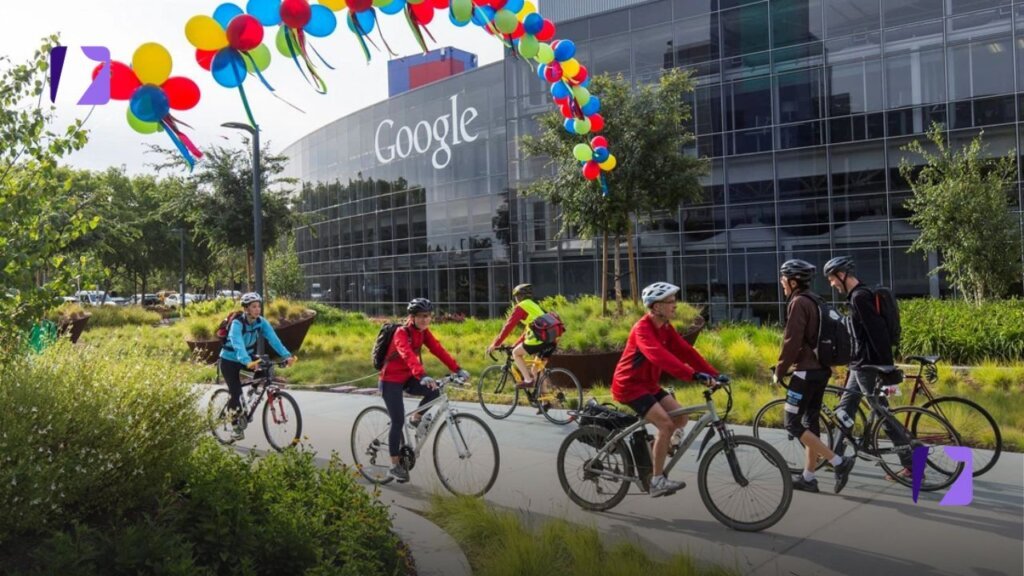
Google is renowned for its employee-centric culture, often exemplified by its headquarters, the Googleplex. The company emphasizes creativity, collaboration, and flexibility, offering perks such as free meals, wellness programs, and open workspaces. Google fosters innovation through programs like 20% time, allowing employees to pursue independent projects. This unique environment attracts top talent and sustains a culture of continuous experimentation and learning.
Global Impact and Accessibility Initiatives
Google has had a profound global impact, making information accessible across multiple languages and regions. Initiatives like Google Translate, Google Maps, and Android accessibility features have bridged knowledge gaps and empowered users worldwide. Google’s investments in internet connectivity, including Project Loon and fiber infrastructure, aim to connect underserved regions, reflecting the company’s commitment to social impact alongside technological advancement.
Milestones and Achievements Over 27 Years
In 27 years, Google has achieved remarkable milestones, including the launch of Gmail, acquisition of YouTube, introduction of Chrome, and the development of Android OS. The company has consistently led in innovation, expanding from a search engine to a comprehensive ecosystem encompassing AI, cloud, hardware, and digital services. These achievements have solidified Google’s role as a transformative force in technology and global communication.
Celebrating Google’s 27th Birthday: Events and Tributes
Google celebrated its 27th birthday with digital campaigns, social media highlights, and internal events for employees. Tributes emphasized the company’s journey, culture, and achievements. Special Google Doodles, historical retrospectives, and virtual celebrations engaged users worldwide, showcasing both the brand’s history and its ongoing commitment to innovation and user engagement.
Challenges and Controversies in Google’s Journey
Despite its success, Google has faced challenges including antitrust scrutiny, privacy concerns, and competitive pressures. Legal disputes, data security issues, and public criticism have tested the company’s resilience. Google’s ability to adapt, implement policy changes, and maintain transparency has been key to sustaining user trust and mitigating reputational risks while continuing global growth.
Google’s Contribution to Education and Social Causes
Google supports education through initiatives like Google for Education, Chromebooks in classrooms, and coding programs. The company also contributes to sustainability, renewable energy, and social equity programs. Philanthropic projects demonstrate Google’s commitment to leveraging technology for societal benefit, reinforcing its reputation as a socially responsible tech leader.
The Future of Google: Emerging Technologies and Vision
Looking forward, Google continues to explore AI, quantum computing, autonomous vehicles, and augmented reality. The company’s strategic focus includes sustainability, AI ethics, and global connectivity. Google’s long-term vision emphasizes innovation while addressing societal challenges, positioning it as a pioneer in shaping the next era of technology.
Legacy of Google as a Tech Powerhouse
Google’s legacy is defined by innovation, accessibility, and cultural influence. From transforming search to redefining digital advertising, mobile computing, and AI, the company has become a benchmark for modern technology enterprises. Google exemplifies how a visionary mission, combined with strategic execution, can create a lasting impact on global society.
Conclusion
Google’s 27th birthday marks nearly three decades of innovation, growth, and influence. From its garage origins to a global tech powerhouse, the company has reshaped how information is accessed, how businesses operate, and how people connect. Through strategic acquisitions, technological breakthroughs, and a strong cultural identity, Google continues to define the future of technology while celebrating a rich and transformative history.
Frequently Asked Questions
When was Google founded?
Google was founded on September 4, 1998, by Larry Page and Sergey Brin.
What products does Google offer besides search?
Google offers products including Gmail, Google Maps, YouTube, Android, Google Cloud, and Google AI technologies.
What is the Google Doodle tradition?
Google Doodles are special variations of the Google logo celebrating events, holidays, notable figures, and company milestones.
How did Google grow financially?
Google’s growth was fueled by its advertising platforms AdWords and AdSense, strategic acquisitions, and expansion into cloud computing and other technologies.
What is Google’s global impact?
Google has expanded access to information, promoted education, developed accessibility tools, and connected people worldwide through its technology and services.
VISIT MORE: APEX MAGAZINE