
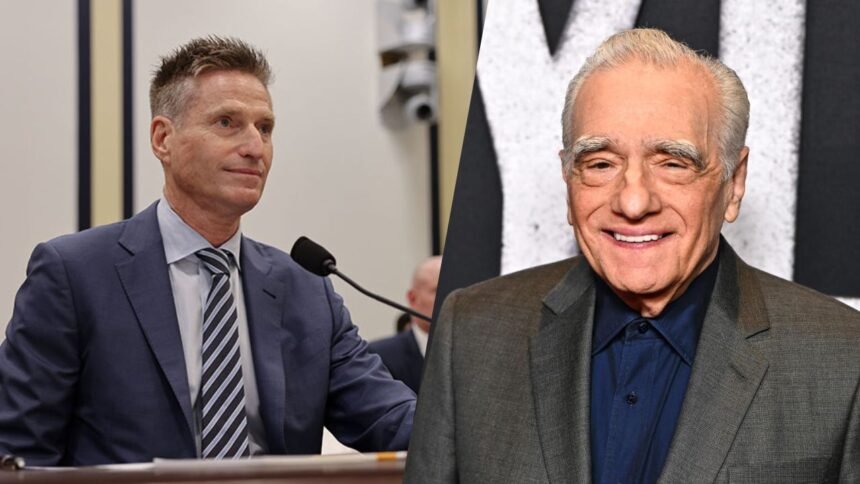
Jim Taiclet and Martin Scorsese have built successful careers in very different industries. Taiclet is a business executive known for leading Lockheed Martin, one of the world’s major aerospace and defense companies. Scorsese is an acclaimed filmmaker whose work has influenced generations of directors, actors, and film enthusiasts. Although their professional paths do not share a widely documented direct connection, their careers offer an interesting look at leadership, innovation, creativity, and long-term achievement.
Their stories also demonstrate how different forms of ambition can shape a person’s professional legacy. Taiclet developed his expertise through military service, aviation, telecommunications, and corporate management. Scorsese followed his passion for cinema, transforming his interest in storytelling into a career spanning decades. Exploring their backgrounds, achievements, and influence helps explain why both names remain significant in their respective fields.
- Quick Facts About Jim Taiclet and Martin Scorsese
- Who Is Jim Taiclet?
- Who Is Martin Scorsese?
- Jim Taiclet’s Journey From Military Aviation to Business Leadership
- Martin Scorsese’s Rise in Hollywood
- Comparing Their Professional Achievements
- Leadership, Innovation, and Creative Vision
- Their Influence Beyond Their Main Careers
- What Makes Their Stories Interesting?
- Conclusion
- Fact-Check Notes
- Frequently Asked Questions
Quick Facts About Jim Taiclet and Martin Scorsese
| Detail | Jim Taiclet | Martin Scorsese |
|---|---|---|
| Full name | James D. Taiclet Jr. | Martin Charles Scorsese |
| Birth year | 1960, commonly reported | 1942 |
| Birthplace | United States | New York City, New York |
| Nationality | American | American |
| Profession | Business executive | Filmmaker |
| Main industry | Aerospace and defense | Film and entertainment |
| Best known for | Leading Lockheed Martin | Directing acclaimed films |
| Major organization | Lockheed Martin | The Film Foundation |
| Earlier experience | U.S. Air Force pilot | Film student and independent filmmaker |
| Education | U.S. Air Force Academy and Princeton University | New York University |
| Previous career milestone | CEO of American Tower | Director of Mean Streets |
| Recognized work | Corporate and defense leadership | Taxi Driver and Goodfellas |
| Major achievement | Leading a major defense technology company | Winning an Academy Award for directing |
| Leadership style | Strategic and organizational | Creative and collaborative |
| Lasting influence | Business and aerospace leadership | Cinema and film preservation |

Who Is Jim Taiclet?
Jim Taiclet is an American business executive who became chairman, president, and chief executive officer of Lockheed Martin. He joined the company as president and CEO in June 2020 and became chairman in March 2021. His work focuses on corporate strategy, technological innovation, and the development of advanced aerospace and defense capabilities. Under his leadership, the company has emphasized digital technologies, artificial intelligence, autonomous systems, and supply-chain resilience.
Before joining Lockheed Martin, Taiclet led American Tower Corporation, a major communications infrastructure business. His earlier experience also included leadership roles at AlliedSignal Aerospace Services and Pratt & Whitney. These positions gave him experience across aviation, engineering services, telecommunications, and large-scale corporate operations. His career illustrates how technical knowledge and strategic management can combine to prepare an executive for leadership in a complex industry.
Who Is Martin Scorsese?
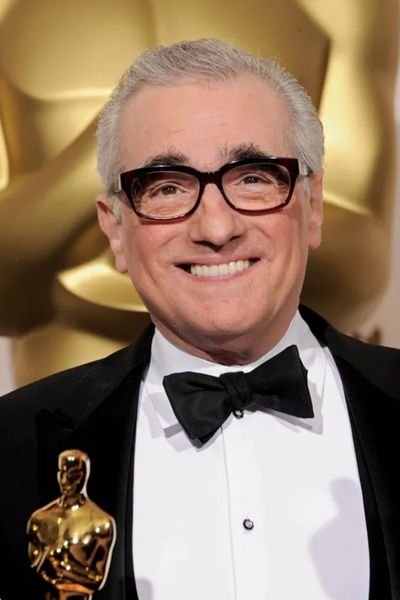
Martin Scorsese is an American filmmaker widely recognized for his distinctive storytelling, memorable characters, and influential approach to directing. Born in New York City in 1942, he grew up in Manhattan’s Little Italy neighborhood. The environment shaped his understanding of family, community, loyalty, and conflict, themes that appear throughout many of his films. He studied film at New York University and developed his craft through short films before moving into feature filmmaking.
Scorsese’s career includes celebrated movies such as Taxi Driver, Raging Bull, Goodfellas, The Departed, and The Wolf of Wall Street. His films often explore complicated characters, ambition, morality, violence, and the consequences of personal decisions. Beyond directing, he has worked as a producer, screenwriter, editor, and documentary filmmaker. He has also championed film preservation through The Film Foundation, an organization dedicated to protecting cinema history.
Jim Taiclet’s Journey From Military Aviation to Business Leadership
Taiclet began his professional career as an officer and pilot in the United States Air Force. During his military service, he accumulated more than 5,000 flying hours, primarily aboard the C-141B Starlifter transport aircraft. He also held instructional and leadership responsibilities and completed assignments connected with the Joint Staff and Air Staff at the Pentagon. His experience included transport missions supporting Operation Desert Shield during the Gulf War.
After leaving active military service, Taiclet moved into the private sector and developed experience in aerospace services and business strategy. He later became CEO of American Tower, where he helped expand the company from a primarily domestic operation into a global communications infrastructure business. His appointment to lead Lockheed Martin brought together his aviation background, technical understanding, and corporate leadership experience. His career shows how experience in one field can support progress into another.
Martin Scorsese’s Rise in Hollywood
Scorsese’s filmmaking career developed through education, independent projects, and a growing understanding of cinematic storytelling. After studying at New York University, he directed Who’s That Knocking at My Door?, which introduced several themes and techniques that would become recognizable in his later work. His 1973 film Mean Streets attracted significant attention and helped establish him as an important emerging director in American cinema.
He continued to develop his reputation with films that combined distinctive visual choices, complex characters, and carefully constructed narratives. Taxi Driver became one of his best-known early achievements, while Raging Bull further demonstrated his interest in character-driven drama. Later projects, including Goodfellas and The Departed, expanded his influence across generations of filmmakers. Scorsese’s success came through a sustained commitment to storytelling, experimentation, and collaboration with talented performers and production teams.
Comparing Their Professional Achievements
Taiclet and Scorsese work in industries that demand different forms of expertise. Taiclet oversees a major corporation operating in a technically demanding and heavily regulated environment. His responsibilities involve organizational strategy, business performance, technology investment, and relationships with customers and stakeholders. Success in this setting requires coordination among specialists, long-term planning, and the ability to manage complex operations.
Scorsese’s work involves a different kind of leadership. A film director must interpret a story, guide actors, collaborate with cinematographers and editors, and make creative decisions that shape the final production. His achievements are measured through artistic influence, critical recognition, audience response, and the lasting relevance of his films. Although the industries differ, both careers demonstrate the value of expertise, preparation, collaboration, and a clear vision.
Leadership, Innovation, and Creative Vision
Taiclet’s leadership has emphasized the integration of advanced technology into aerospace and defense systems. His professional background combines military experience with corporate management, allowing him to understand both operational demands and organizational strategy. In an industry where engineering, security, and manufacturing intersect, leaders must coordinate large teams while responding to changing technological requirements and customer needs.
Scorsese demonstrates creative leadership through the way he develops stories and guides filmmaking teams. His films often carry a recognizable visual and narrative identity, yet they also depend on the contributions of actors, editors, composers, and other collaborators. His work shows that a director’s vision does not eliminate teamwork; it gives that teamwork a shared creative direction. Both men illustrate how leadership can take different forms while remaining grounded in preparation, expertise, and decision-making.
Explore Who Was MaryLou Connors? Inside the Life of Mike Connors’ Wife
Their Influence Beyond Their Main Careers
Taiclet’s professional influence extends into discussions about aerospace technology, national security, engineering, and corporate governance. His work at Lockheed Martin places him at the center of an industry that develops aircraft, missile systems, space technologies, and other defense capabilities. His earlier work in telecommunications also connects his career to the infrastructure that supports modern communication networks.
Scorsese’s influence extends beyond the movies he directs. Through The Film Foundation, he has helped raise awareness of the need to preserve films and protect cinematic history. His documentaries and public discussions have also explored filmmaking traditions, influential directors, and the cultural importance of cinema. While Taiclet’s impact is primarily organizational and technological, Scorsese’s is artistic and cultural. Both have contributed to fields that affect audiences and institutions far beyond their immediate workplaces.
What Makes Their Stories Interesting?
The contrast between Taiclet and Scorsese makes their careers useful examples of different routes to professional recognition. Taiclet developed a career through military service, education, technical industries, and executive leadership. His path involved moving between organizations while applying his experience to increasingly complex responsibilities. His story may interest readers exploring business leadership, aerospace, or careers that combine technical knowledge with management.
Scorsese’s journey offers a different perspective on long-term achievement. He developed a personal filmmaking style, worked with generations of performers, and created films that continue to attract analysis and discussion. His career shows how a sustained creative interest can grow into a lasting contribution to culture. Their experiences are not directly connected, but considering them together reveals how discipline, adaptability, and a commitment to one’s work can shape very different professional legacies.
Conclusion
Jim Taiclet and Martin Scorsese have earned recognition through very different professional journeys. Taiclet progressed from military aviation into aerospace, telecommunications, and executive leadership at Lockheed Martin. Scorsese transformed his passion for cinema into a filmmaking career that has shaped American movies and inspired generations of creative professionals.
Although no direct partnership between the two is widely documented, their stories offer useful perspectives on leadership, innovation, and long-term achievement. Taiclet’s career reflects the demands of managing complex organizations and technologies, while Scorsese’s work demonstrates the cultural influence of distinctive storytelling. Together, their professional journeys show that success can take many forms when people develop their expertise and remain committed to their chosen fields.
Fact-Check Notes
- Jim Taiclet’s role: He became Lockheed Martin’s president and CEO in June 2020 and chairman in March 2021.
- Military background: Taiclet served as a U.S. Air Force officer and pilot and logged more than 5,000 flying hours.
- Martin Scorsese’s education: He studied film at New York University and directed his first feature film in 1968.
- Academy Award: Scorsese won Best Director for The Departed, which also won Best Picture.
- Professional connection: No established direct collaboration between Taiclet and Scorsese is documented in the biographical information used for this article.
- Birth details: Scorsese was born in 1942. Taiclet’s exact birth date is not included because reliable public biographies do not consistently establish it.
Frequently Asked Questions
Who is Jim Taiclet?
Jim Taiclet is an American business executive who serves as chairman, president, and CEO of Lockheed Martin. Before joining the company in 2020, he led American Tower Corporation and held positions in the aerospace industry.
Who is Martin Scorsese?
Martin Scorsese is an award-winning American film director, producer, and screenwriter. He is known for movies including Taxi Driver, Goodfellas, Raging Bull, and The Departed, as well as his work supporting film preservation.
Are Jim Taiclet and Martin Scorsese professionally connected?
There is no widely documented direct professional partnership between them. Taiclet is known for corporate leadership in aerospace and defense, while Scorsese is recognized for filmmaking and film preservation.
What is Jim Taiclet best known for?
Taiclet is best known for leading Lockheed Martin. His career also includes military aviation, executive leadership at American Tower Corporation, and aerospace management experience at companies such as Pratt & Whitney.
Which films made Martin Scorsese famous?
Scorsese became widely recognized through films such as Mean Streets, Taxi Driver, and Raging Bull. His later successes include Goodfellas, The Departed, and The Wolf of Wall Street.
What did Martin Scorsese win an Academy Award for?
Scorsese won the Academy Award for Best Director for The Departed. The film also won Best Picture, making it one of the major milestones in his long filmmaking career.
What can readers learn from their careers?
Their careers illustrate different approaches to professional achievement. Taiclet’s experience highlights technical knowledge, organizational leadership, and strategic planning, while Scorsese’s work demonstrates creative vision, collaboration, and sustained dedication to storytelling.