In the digital age, businesses often reassess their traditional processes to stay efficient and competitive. Faxing, a cornerstone in the exchange of documents, has evolved. Prompting a debate on the value of traditional fax machines versus online fax services. Discovering which method suits your business can make a difference in operational efficiency.
The choice between traditional and online faxing methods isn’t just about technology. It’s about adapting to modern business needs while controlling costs and maintaining security. Below, we explore the implications of each to help you make an informed decision.
Traditional Fax Machines in the Modern Business Landscape
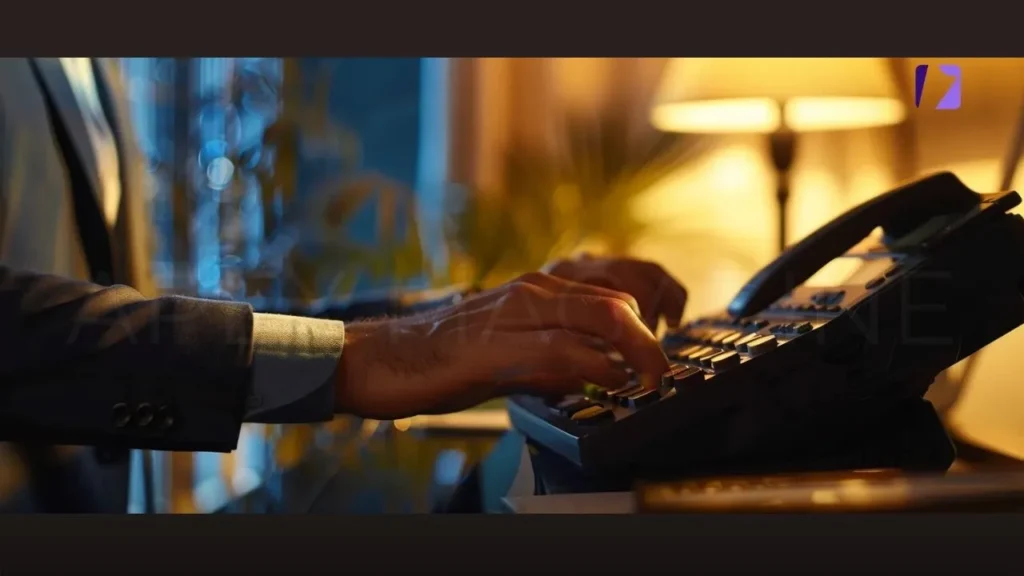
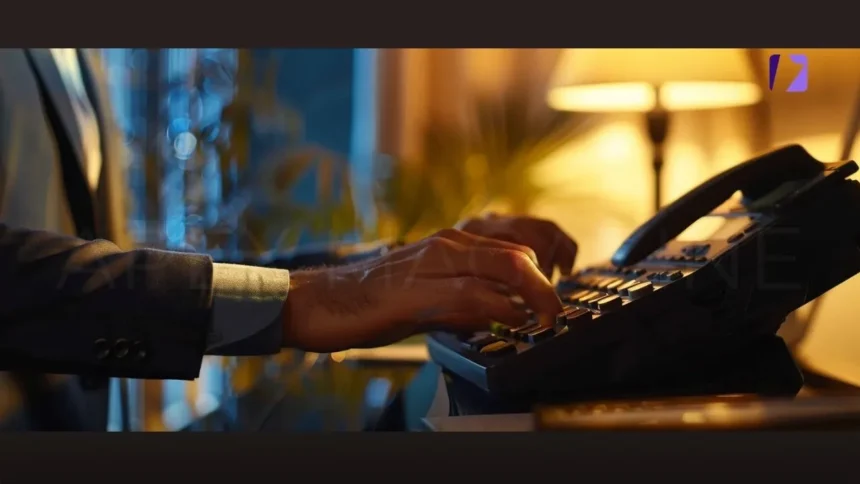
Traditional fax machines have a legacy of reliability and direct document transmission, which continue to be important for certain businesses. With a physical record of each transmission, businesses can maintain a tangible trail of their communications, which can be vital for legal and archival purposes.
However, these machines often require dedicated phone lines, ongoing maintenance, and a supply of paper and toner. With the advent of digital communication, many businesses find traditional faxing an increasingly costly and inefficient practice, especially when considering the environmental impacts of paper waste.
Those favoring traditional fax machines may benefit from assessing their actual usage and costs. By calculating expenses versus needs. A company can determine whether a traditional fax machine is a justified investment or if a transition plan to digital solutions should be considered.
Online Fax Services and Their Role in Contemporary Business Operations
Online fax services represent a significant leap toward streamlined business communications. By enabling the sending and receiving of faxes via the internet. These services suit the mobile and flexible nature of modern work environments.
Online fax provides scalability and the ability to integrate with email and cloud storage services, facilitating easier management of documents. As a result, online fax can significantly reduce the manual tasks associated with traditional faxing. Fax services Environmental benefits can’t be overlooked either. Online faxing reduces paper use and waste, contributing to a company’s eco-friendly practices.
Companies considering online fax services should evaluate the range of features offered, including mobile apps, electronic signature capabilities. And cost savings related to eliminating paper, ink, and equipment maintenance. Astrategic adoption of online fax services can result in a more agile and cost-effective business workflow.
Comparing Cost and Efficiency: Traditional Fax vs. Online Fax Solutions
When it comes down to it, the cost and efficiency of faxing solutions can majorly impact a business’s bottom line. Traditional fax machines incur costs such as equipment, supplies, and dedicated phone lines, while online fax services usually operate on a subscription model.
Efficiency analysis shows that online fax solutions can enhance productivity by automating processes and allowing employees to fax from anywhere, using any internet-enabled device. The time saved on manual tasks like feeding paper into machines. Fixing paper jams, and waiting for confirmation can be redirected to more critical business activities. An efficiency audit may reveal significant opportunities for operational improvement by transitioning to online fax services.
Businesses should conduct an honest assessment of their communication needs and balance the costs of traditional. And online fax solutions against the potential increases in productivity and reduction in administrative duties. Identifying the key areas where efficiency could be optimized may guide the decision-making process toward the best faxing solution.
Making the Choice for Your Business: Factors to Consider When Selecting a Faxing Method

Deciding between traditional fax machines and online fax services requires a thorough evaluation of business needs. Factors such as security protocols, legal compliance, volume of faxes, and remote accessibility play crucial roles in this decision.
Businesses dealing with sensitive information might prefer the perceived security of traditional fax machines, but it’s important to note that many online fax services offer robust encryption and comply with standards such as HIPAA. On the other hand, businesses with a high fax volume may find the scalability and no additional per-page cost of online services appealing. Employers should also consider the preferences and tech-savviness of their staff when choosing a faxing method, aiming to find a balance that fosters ease of use and efficiency.
The key to choosing the right faxing method lies in understanding your business processes, the nature of your faxed documents, and the workflows of your employees. It’s recommended to consult industry peers, technology adoption case studies, and to perform pilot tests to ensure the selected fax method aligns with your company’s operational goals and capabilities.
Ultimately, the right faxing solution for a business takes into account cost, efficiency, and the specific needs of the organization. Traditional fax machines offer a sense of security, but are often costlier and less efficient, while online fax services provide flexibility and integration with modern technology. By balancing these factors against business objectives, companies can select a faxing method that supports their current operations and scales with future growth.
VISIT MORE: APEX MAGAZINE