

The 2030 Winter Olympics, set in the stunning French Alps, promises to be a landmark event for winter sports and global sporting culture. France is leveraging its experience from Paris 2024 and Milano Cortina 2026 to deliver a sustainable, technologically advanced, and globally appealing Olympic experience. Organisers have committed to combining environmental responsibility with world-class facilities, ensuring that both athletes and spectators enjoy a memorable and responsible Games.
The French Alps 2030 Winter Games will not only celebrate athletic excellence but also highlight French culture, innovation, and regional development. With meticulous planning, the organisers aim to create a seamless blend of competitive sports, tourism, and community engagement, ensuring a lasting legacy for the Alpine territories.
- Quick Bio 2030 Winter Olympics
- Venues and Infrastructure Planning
- Sports Disciplines and Olympic Programme
- Budget and Economic Planning
- Sustainability and Environmental Responsibility
- Technological Innovations and Digital Experience
- Cultural and Social Impact
- Lessons from Milano Cortina 2026
- Looking Ahead: Milestones to Watch
- Legacy and Long-Term Goals
- Conclusion
- Frequently Asked Questions
Quick Bio 2030 Winter Olympics
| Category | Details |
|---|---|
| Event Name | 2030 Winter Olympics (French Alps 2030) |
| Official Host City/Region | French Alps, France |
| Event Dates | Exact dates TBD; expected February 2030 (~2 weeks) |
| Host Country | France |
| Organising Committee President | Edgar Grospiron |
| Chief Executive Officer (CEO) | Cyril Linette |
| Number of Participating Countries | Estimated 90+ nations |
| Number of Athletes | Approx. 3,000–4,000 athletes expected |
| Sports Disciplines | Alpine skiing, snowboarding, biathlon, curling, ice hockey, figure skating, speed skating, bobsleigh, skeleton, plus potential new events for youth engagement |
| Venues | Multiple clusters and regional venues in the French Alps; venues aligned with sustainability goals and best practice lessons from Milano Cortina 2026 |
| Opening Ceremony | Planned in the French Alps with strong cultural emphasis, showcasing France’s heritage |
| Closing Ceremony | Celebration including medal presentations, cultural performances, and IOC handover segment |
| Budget & Funding | Responsible and unanimously approved budget; strong state backing |
| Sustainability Initiatives | Environmentally responsible infrastructure, green energy, climate-aware planning, lasting Alpine legacy |
| Technological Innovations | Advanced timing and scoring systems, digital fan engagement platforms, interactive apps, VR experiences |
| Milestones | Handover segment at Milano Cortina 2026 Closing Ceremony; Olympic & Paralympic emblems unveiling in spring 2026; venue masterplan & sports programme release by early summer 2026 |
| Economic Impact | Boost to Alpine tourism, regional economy, infrastructure investments |
| Social & Cultural Impact | Promotion of local traditions, cultural exchange, sports participation growth |
| Legacy Focus | Sustainable sporting, economic, and social legacy; youth engagement; regional development |
| Official Motto / Vision | “Rooted in France and the French Alps, open to the world, respecting territories, innovative and driven to push boundaries” |
Venues and Infrastructure Planning
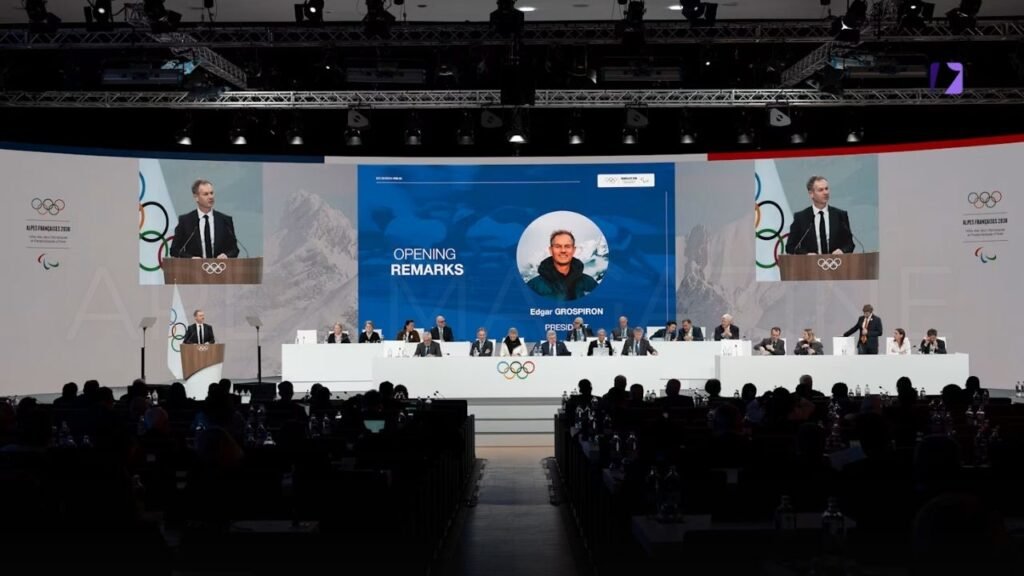
The French Alps 2030 organisers are implementing a multi-cluster venue strategy inspired by lessons from Milano Cortina 2026. They will spread venues across key Alpine regions, integrating existing infrastructure with innovative designs that reduce environmental impact. This approach enables more communities to participate in hosting while minimising overdevelopment in sensitive mountain areas.
The organisers plan to publish the masterplan by early summer 2026, detailing the sports programme and venue layout. They focus on sustainability, accessibility, and technological integration. From eco-friendly ski slopes to digitally connected arenas, the venues will provide a world-class experience while maintaining a responsible environmental footprint.
Sports Disciplines and Olympic Programme
French Alps 2030 will feature all traditional Winter Olympic sports, including alpine skiing, snowboarding, biathlon, figure skating, speed skating, ice hockey, bobsleigh, and skeleton. The organisers are also exploring new events aimed at younger audiences to boost engagement and reflect evolving trends in winter sports.
Athletes from approximately 90 nations are expected to compete, bringing together around 3,000–4,000 competitors. This diversity ensures high competition levels and global representation. Each event will be meticulously scheduled to optimise athlete performance, fan experience, and international broadcasting requirements, creating an inclusive and thrilling Olympic programme.
Budget and Economic Planning
The French government backs the Games with a responsible, unanimously approved budget and strong state support. Authorities prioritise fiscal discipline while investing in infrastructure, security, and athlete welfare. This careful budgeting ensures that public funds deliver long-term social and economic benefits without overspending.
Economically, French Alps 2030 will boost regional tourism, create jobs, and stimulate investment in local businesses. Beyond the immediate impact, the Games will lay the groundwork for sustainable economic growth in the Alpine regions. Communities will benefit from improved infrastructure and increased global visibility for decades, securing a meaningful Olympic legacy.
Sustainability and Environmental Responsibility
Environmental responsibility is a cornerstone of French Alps 2030 planning. Organisers are committed to minimising carbon emissions, promoting green energy, and protecting Alpine ecosystems. Venues are being designed with energy-efficient technologies, waste reduction measures, and climate-conscious construction practices.
This approach also includes legacy planning. After the Games, venues and infrastructure will remain valuable assets for local communities, sports clubs, and tourism activities. By prioritising sustainability, French Alps 2030 demonstrates that large-scale sporting events can be both spectacular and environmentally responsible.
Technological Innovations and Digital Experience
French Alps 2030 aims to deliver a cutting-edge experience through advanced technology. Digital platforms will provide real-time results, interactive fan engagement, and virtual reality experiences for remote audiences. This tech-first approach enhances accessibility and connects fans worldwide to the Olympic action.
Athletes and officials will benefit from innovative systems for training, scheduling, and performance analytics. By integrating technology into every aspect of the Games, organisers ensure efficiency, safety, and an immersive experience for spectators, participants, and media partners.
Cultural and Social Impact
The French Alps Winter Olympics will showcase France’s rich culture, traditions, and regional diversity. Cultural events, performances, and exhibitions will run alongside sports competitions, creating a holistic celebration of French heritage and innovation.
Socially, the Games aim to inspire youth participation in sports and promote inclusion. Educational programmes, community workshops, and local initiatives will encourage engagement, fostering a legacy that extends beyond medals and records. The emphasis on culture and community will ensure the Games resonate long after the closing ceremony.
Lessons from Milano Cortina 2026
French Alps 2030 organisers have drawn inspiration from Milano Cortina 2026, particularly regarding the distribution of events across multiple regions. This “widespread Games” model allows for better regional engagement, reduced overcrowding, and sustainable use of existing infrastructure.
The organisers also learned the value of clear planning, public-private collaboration, and sustainable logistics. These lessons guide French Alps 2030 in optimising transportation, athlete housing, and venue management while maintaining environmental responsibility and community involvement.
Looking Ahead: Milestones to Watch
Several key milestones are on the horizon. The Olympic and Paralympic emblems will be unveiled in spring 2026, signalling the official countdown. The venue masterplan and sports programme will follow in early summer 2026, offering detailed insight into the Games’ layout and schedule.
Another major milestone is the handover segment at the Milano Cortina 2026 Closing Ceremony. This event will symbolically transfer Olympic responsibilities to France and officially introduce the world to French Alps 2030. Each milestone builds anticipation and demonstrates organisational readiness.
Legacy and Long-Term Goals
French Alps 2030 is designed with a strong emphasis on legacy. Sporting infrastructure will remain for local athletes and communities, while tourism, cultural programmes, and economic development initiatives will continue to benefit the region.
The Games also aim to set new standards for environmental responsibility and technological integration. By embedding these principles into planning and execution, French Alps 2030 ensures that its impact is sustainable, inspiring future generations of athletes and organisers worldwide.
Conclusion
The 2030 Winter Olympics in the French Alps promise to be a groundbreaking event that combines sporting excellence, cultural celebration, and environmental responsibility. With strong leadership from Edgar Grospiron and Cyril Linette, meticulous planning, and lessons drawn from previous Games, France aims to deliver a Winter Olympics that will set new global standards. From world-class venues and innovative technology to sustainable infrastructure and regional engagement, the Games are designed to leave a lasting impact.
Beyond competition, French Alps 2030 prioritises legacy—ensuring economic growth, social benefits, and environmental stewardship for Alpine communities. The event also underscores the importance of culture, community, and inclusivity in global sporting events. As anticipation builds, the 2030 Winter Olympics stand as a testament to France’s commitment to excellence, innovation, and responsible hosting, inspiring athletes, spectators, and future generations alike.
Frequently Asked Questions
Where will the 2030 Winter Olympics be held?
The 2030 Winter Olympics will take place in the French Alps, France, with events spread across multiple clusters to ensure regional participation and sustainability.
When will the French Alps 2030 Winter Olympics occur?
Exact dates are to be confirmed, but the Games are expected to take place in February 2030, following traditional Winter Olympics scheduling.
How many athletes are expected to participate?
Approximately 3,000–4,000 athletes from over 90 countries are expected to compete in the Games.
What sports will be included in the 2030 Winter Olympics?
Traditional winter sports will feature, including alpine skiing, snowboarding, biathlon, figure skating, ice hockey, speed skating, bobsleigh, skeleton, and possibly new youth-focused events.
What is the main focus of French Alps 2030?
The organisers focus on sustainability, economic and social legacy, cultural promotion, and creating a technologically advanced, globally engaging Winter Games.
How is French Alps 2030 learning from previous Olympics?
Organisers are studying Milano Cortina 2026 to adopt a widespread Games model, maximise regional engagement, and implement sustainable infrastructure and logistics practices.
VISIT MORE: APEX MAGAZINE