Luxury has traditionally been defined by exclusivity, craftsmanship, and access to rare or high-quality materials. In recent years, however, that definition has expanded to include a more personal dimension, how products contribute to well-being. As lifestyles become more demanding and time more fragmented, the idea of luxury is increasingly tied to restoration, balance, and ease. Functional wellness products are emerging within this space not as trends, but as reflections of a deeper shift in priorities. They are designed to integrate into daily routines while offering an added layer of purpose, blending experience with perceived utility. This evolution signals a broader rethinking of what it means to invest in quality, where value is measured not only by what something is, but by how it supports the way people live.
Redefining Luxury Through Function
The integration of function into luxury products reflects a move away from purely aesthetic value toward something more experiential. Consumers are no longer satisfied with items that simply look refined or signal status. Instead, there is growing interest in products that enhance comfort, simplify routines, or contribute to a sense of well-being. This shift has influenced multiple sectors, from hospitality to personal care.
- Redefining Luxury Through Function
- The Rise of Discreet, Integrated Wellness
- Personalization as a Luxury Standard
- Wellness as a Daily Investment
- The Influence of High-Performance Lifestyles
- Blending Wellness With Environment and Design
- Discretion, Privacy, and Evolving Prluxury lifestyleseferences
- The Role of Education and Awareness
- Cultural Shifts and the Normalization of Wellness Integration
- Conclusion
- Frequently Asked Questions
Functionality in this context does not replace luxury, it reframes it. Products are expected to perform in subtle but meaningful ways, supporting daily habits without demanding attention. This creates a quieter form of value, one that aligns with how individuals actually experience their routines rather than how those routines appear from the outside.
The Rise of Discreet, Integrated Wellness
Modern luxury increasingly favors discretion. Rather than overt displays, there is a preference for products that integrate seamlessly into everyday life. Functional wellness products align with this preference by offering benefits that are not immediately visible but are felt over time. This subtlety is part of their appeal.
In high-end environments, this often translates into routines that are carefully structured but not visibly complex. Products are selected for how easily they fit into existing habits, allowing individuals to maintain a sense of continuity. The emphasis is on integration rather than interruption, ensuring that wellness becomes part of the background rather than a separate activity.
Personalization as a Luxury Standard
Personalization has become a defining feature of luxury experiences, and wellness products are no exception. Consumers are increasingly looking for options that align with their specific needs, preferences, and schedules. This demand has led to a more tailored approach to product development and selection.
Within this landscape, references to options such as thc gummies for back pain relief illustrate how individuals explore different formats as part of their personal routines. These choices are rarely isolated; they are considered alongside other elements of a broader lifestyle. The result is a more customized approach to wellness, where products are selected not just for what they are, but for how they fit into a larger system.
Wellness as a Daily Investment
Luxury consumption has shifted toward long-term value, and wellness products are increasingly viewed through this lens. Rather than being occasional indulgences, they are integrated into daily habits as part of a consistent approach to self-care. This reframing changes how these products are perceived and used.
Daily investment in well-being is less about intensity and more about continuity. Small, repeated actions accumulate over time, creating a more stable foundation for health. Functional products support this process by offering consistency and ease of use, making it more likely that routines will be maintained.
The Influence of High-Performance Lifestyles
Many luxury consumers operate within high-performance environments where time, energy, and focus are constantly in demand. In these contexts, wellness is not optional, it is necessary for maintaining productivity and resilience. Functional products are often selected with this in mind.
The appeal lies in their ability to support recovery without requiring significant adjustments to existing routines. Whether used after long workdays or as part of evening wind-down habits, these products are positioned as tools that help maintain balance. This aligns with a broader understanding of performance, where recovery is seen as an essential component rather than a secondary concern.
Blending Wellness With Environment and Design
Luxury lifestyles are often characterized by attention to environment and design. Spaces are curated to reflect both aesthetic and functional priorities, and wellness products are increasingly incorporated into this framework. Rather than existing as standalone items, they become part of a larger ecosystem.
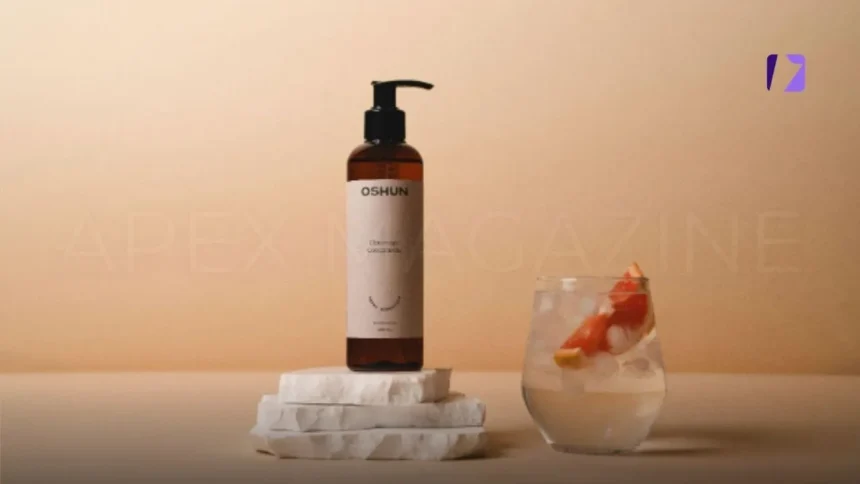
This integration extends to how products are stored, displayed, and used. Packaging, texture, and form all contribute to the overall experience, ensuring that functionality does not come at the expense of visual coherence. The result is a seamless connection between product and environment, reinforcing the idea that wellness is embedded within the broader lifestyle.
Discretion, Privacy, and Evolving Prluxury lifestyleseferences
Another factor driving the appeal of functional wellness products is the emphasis on privacy. As personal health choices become more individualized, consumers are seeking options that allow them to maintain discretion. This is particularly relevant in categories that were once considered niche but are now entering mainstream awareness.
Discreet formats and subtle integration support this preference, allowing individuals to incorporate products into their routines without drawing attention. This aligns with the broader shift toward understated luxury, where value is experienced personally rather than displayed publicly.
The Role of Education and Awareness
As the market for functional wellness products expands, so does the importance of informed decision-making. Consumers are increasingly aware of the need to understand ingredients, effects, and appropriate use. This awareness is shaping how products are evaluated and integrated into routines.
Access to information has made it easier for individuals to make choices that align with their goals. However, it has also introduced a level of complexity, requiring a more thoughtful approach to selection. In this environment, transparency and clarity become key factors in building trust and ensuring long-term adoption.
Cultural Shifts and the Normalization of Wellness Integration
Cultural attitudes toward wellness are changing, influencing how products are perceived and used. Practices that were once considered specialized are becoming part of everyday routines, reflecting a broader normalization of wellness-focused habits. This shift is particularly visible in urban and high-income environments.
Conclusion
The evolution of modern luxury is increasingly defined by subtlety, integration, and intention. Rather than prioritizing visibility, individuals are embracing wellness practices that fit naturally into their daily routines, delivering benefits over time without disrupting the flow of everyday life. This quieter approach reflects a deeper understanding of value one rooted in consistency, personalization, and long-term well-being.
Discreet, functional wellness products align with high-performance lifestyles by supporting balance, recovery, and sustained energy in a way that feels effortless. Their ability to blend into curated environments and reflect individual preferences makes them a natural extension of contemporary living. As wellness continues to integrate with design, habit, and identity, it becomes less of a separate pursuit and more of a foundational element of how people live.
Frequently Asked Questions
What is discreet wellness?
Discreet wellness refers to products and practices that integrate seamlessly into daily routines without drawing attention, offering subtle but consistent benefits over time.
Why is integration important in modern wellness?
Integration ensures that wellness habits are sustainable. When products fit naturally into routines, individuals are more likely to maintain long-term consistency.
How does personalization impact wellness choices?
Personalization allows individuals to select products that align with their specific needs, schedules, and preferences, making wellness more effective and relevant.
Are functional wellness products meant for daily use?
Yes, many functional wellness products are designed for regular use, supporting gradual improvements through consistent, everyday habits.
VISIT MORE: APEX MAGAZINE