
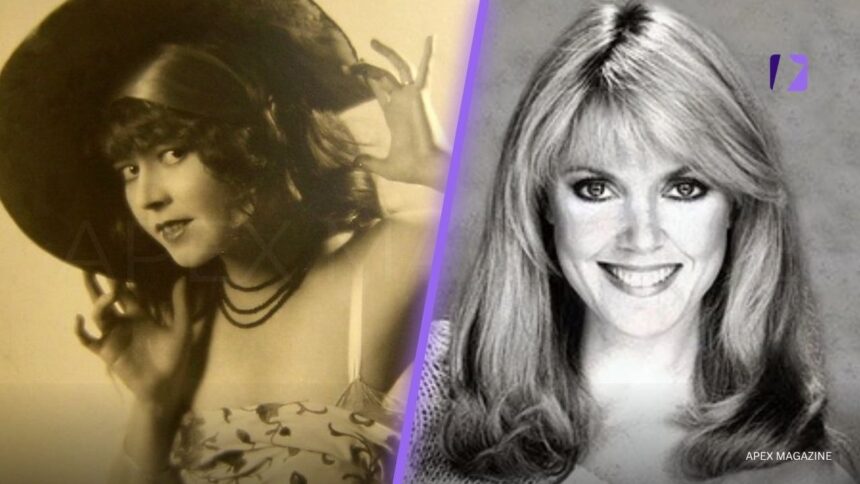
Ann Pennington lit up Broadway stages with her infectious energy and dazzling footwork during the Roaring Twenties. This tiny dancer, barely five feet tall, became a symbol of jazz-age excitement and show business glamour. Audiences adored her lively performances in the Ziegfeld Follies and George White’s Scandals. She brought joy through dance and left a lasting mark on American entertainment history.
Her story mixes talent, determination, and the vibrant spirit of an era defined by flappers and jazz. Ann rose from modest beginnings to become one of the most celebrated solo female dancers of her time. Fans still remember her today for popularizing iconic steps and charming everyone with her dimpled smile and unstoppable energy.
- Quick Bio Anna Rebecca Pennington
- Early Life and Delaware Roots
- The Big Leap to Broadway
- Stardom in the Ziegfeld Follies
- Popularizing the Black Bottom Dance
- Success with George White’s Scandals
- Transition to Hollywood Films
- Signature Dance Style and Techniques
- Friendships and Relationships in Show Business
- Challenges of the Vaudeville and Later Years
- Personal Life Away from the Spotlight
- Cultural Impact on 1920s America
- Legacy in American Theater and Dance
- Rediscovering Ann Through Archives and Media
- Influence on Future Generations of Performers
- Conclusion
- Frequently Asked Questions
Quick Bio Anna Rebecca Pennington
| Detail | Information |
|---|---|
| Full Name | Anna Rebecca Pennington |
| Date of Birth | December 23, 1893 |
| Place of Birth | Wilmington, Delaware, USA |
| Date of Death | November 4, 1971 (aged 77) |
| Height | 4 ft 10 in (147 cm) / 4 ft 11½ in |
| Nicknames | Tiny, Penny |
| Occupation | Actress, Dancer, Singer |
| Years Active | 1911–1943 |
| Known For | Ziegfeld Follies, George White’s Scandals, Black Bottom dance |
| Resting Place | Kensico Cemetery, Westchester County, New York |
Early Life and Delaware Roots
Ann Pennington entered the world in Wilmington, Delaware, on December 23, 1893. She grew up in a working-class family that valued hard work and creativity. From a young age, she showed natural rhythm and love for movement. Her small stature never stopped her from dreaming big about performing on grand stages.
She moved with her family to Camden, New Jersey, during childhood. There she developed her passion for dance through local opportunities and sheer determination. Ann practiced constantly and built impressive skills despite limited formal training. Her early years prepared her for the competitive world of New York theater that awaited.
The Big Leap to Broadway
In 1911, a teenage Ann made her Broadway debut as a chorus girl in The Red Widow. She quickly stood out with her lively presence and precise steps. Producers noticed her potential right away. Within two years, she joined the prestigious Ziegfeld Follies of 1913 and stole the show with her dancing.
This bold move from small-town roots to bright lights required courage and resilience. Ann worked tirelessly through long rehearsals and tough competition. Her breakthrough performance launched a career that defined an era. She proved that talent and personality could overcome any physical limitation in show business.
Stardom in the Ziegfeld Follies
Ann became a headline act in multiple editions of the Ziegfeld Follies starting in 1913. She performed alongside legends like Fanny Brice, W.C. Fields, and Will Rogers. Audiences loved her high kicks, tap routines, and energetic style. Her dimpled knees and charming smile made her a favorite every season.
The Follies represented the height of glamorous revue theater. Ann brought fresh excitement to every number. She developed signature moves that thrilled crowds night after night. This period cemented her status as one of Broadway’s brightest stars during the golden age of American musical theater.
Popularizing the Black Bottom Dance
Ann introduced her famous version of the Black Bottom in George White’s Scandals of 1926. The dance swept the nation and rivaled the Charleston in popularity. She added her unique flair with quick steps, shakes, and playful energy that perfectly captured the jazz spirit.
This contribution made her an international sensation. People everywhere tried to copy her moves at parties and clubs. Ann’s interpretation helped define 1920s dance culture. She turned a regional step into a worldwide phenomenon that still symbolizes the Roaring Twenties today.
Success with George White’s Scandals
After conquering Ziegfeld, Ann joined George White’s Scandals in 1920 and became a major draw. She headlined several editions and delivered unforgettable performances. Her work with White showcased her versatility in comedy sketches and dance numbers. The partnership proved highly successful for both.
These revues allowed her to explore new styles and collaborate with top talents. Ann thrived in the competitive environment and kept audiences coming back. Her time in the Scandals extended her reign as a top dancer well into the late 1920s and beyond.
Transition to Hollywood Films
Ann ventured into motion pictures in the 1910s and appeared in over twenty films. She starred in silent movies like Susie Snowflake (1916) and later sound films such as Tanned Legs (1929) and Happy Days (1930). Her dancing translated beautifully to the screen.
Hollywood offered new challenges and opportunities during the shift from silent to talkie eras. Ann adapted her stage presence for cameras and brought the same charisma to film sets. She continued performing dance numbers that delighted movie audiences across the country.
Signature Dance Style and Techniques
Ann mastered tap, high kicks, and what critics called “shake and quiver” dancing. Her tiny feet, size 1½ shoes, performed intricate routines with surprising power and precision. She combined athleticism with feminine charm in every performance.
This unique style set her apart from taller dancers of her time. Ann used her small frame to her advantage, creating illusions of speed and lightness. Audiences marveled at her control and joy. Her techniques influenced many performers who followed in later decades.
Friendships and Relationships in Show Business
Ann formed a lifelong close friendship with Fanny Brice while working in the Follies. She also shared the stage with comedy giants and developed strong professional bonds. Romantically, she linked to figures like boxer Jack Dempsey and producer George White but never married.
These connections enriched her personal and professional life. Ann navigated the glamorous yet demanding social scene of 1920s New York with grace. Her friendships provided support through the highs and lows of a performer’s career.
Challenges of the Vaudeville and Later Years
As musical tastes changed in the 1930s, Ann shifted to vaudeville tours and occasional Broadway roles. She appeared in shows like The New Yorkers and The Student Prince in 1943. She kept performing even as revues declined in popularity.
The transition tested her adaptability and determination. Ann maintained her skills and found work when many peers struggled. Her later career showed the resilience that defined her entire journey in entertainment.
Personal Life Away from the Spotlight
Ann lived quietly in New York after retiring from active performing. She enjoyed simple pleasures and stayed connected to old friends from the theater world. Her petite frame and red hair remained recognizable even in private life. She faced health issues in her final years but carried herself with dignity.
She never sought excessive publicity about her personal matters. Ann valued her independence and focused on memories of her celebrated career. Her private life reflected the same authenticity she brought to every stage performance.
Cultural Impact on 1920s America
Ann embodied the spirit of the Jazz Age through her dances and vibrant persona. She helped popularize new rhythms and movements that defined a generation. Young women across America looked up to her as a symbol of freedom and fun. Her influence extended far beyond theater walls.
She represented the modern flapper ideal in many ways. Ann showed that talent and personality mattered more than conventional beauty standards. Her success inspired countless aspiring performers during a transformative time in American culture.
Legacy in American Theater and Dance
Critics regard Ann as one of the greatest solo female stage dancers of the 1910s and 1920s. Her contributions to Broadway revues remain unmatched in energy and innovation. Modern dancers still study her techniques and style today. She left an indelible mark on performance history.
Theater historians continue to celebrate her work in books and documentaries. Ann’s name stands alongside other legends who shaped American entertainment. Her story reminds us how one small dancer could captivate millions.
Rediscovering Ann Through Archives and Media
Today, film clips and photographs preserve Ann’s dynamic performances for new generations. YouTube videos of her dancing the Black Bottom attract fresh audiences. Historians and vintage enthusiasts keep her memory alive through social media and exhibitions.
These rediscoveries introduce her talent to people who never experienced the original Follies. Ann’s work feels fresh and exciting even nearly a century later. Technology helps ensure her legacy reaches far beyond her lifetime.
Influence on Future Generations of Performers
Ann paved the way for shorter actresses and dancers to claim starring roles. She proved height posed no barrier to success with skill and charisma. Many performers credit her as an inspiration for their own careers in theater and film. Her story encourages persistence and originality.
Dance schools and theater programs still reference her contributions. Ann’s career offers valuable lessons about adapting to industry changes. Her influence quietly shapes entertainment even in contemporary times.
Conclusion
Ann Pennington rose from Delaware roots to become a true legend of Broadway and the Ziegfeld Follies. Her incredible dancing, especially the Black Bottom, captured the excitement of an entire era. She entertained millions with charm, skill, and boundless energy throughout her long career.
Her story continues to inspire anyone who dreams of performing. Ann showed that talent, hard work, and personality create lasting success. The petite dynamo left a bright legacy that still shines brightly in American theater history.
Frequently Asked Questions
When and where was Ann Pennington born?
Ann Pennington was born on December 23, 1893, in Wilmington, Delaware.
What made Ann Pennington famous?
She became famous for her dancing in the Ziegfeld Follies and for popularizing the Black Bottom dance in George White’s Scandals.
How tall was Ann Pennington?
She stood only 4 feet 10 inches (about 147 cm) tall and wore size 1½ shoes.
Did Ann Pennington ever marry?
No, she never married, though she had romantic links to figures like Jack Dempsey and George White.
Visit More APEX MAGAZINE