

Innovations in 3D graphics creation: investor Sergey Tokarev spoke about the prospects of the new ZibraGDS technology
Ukrainian technology company Zibra AI, with the support of Roosh, presented a new tool for creating complex 3D graphics ZibraGDS. It can work with animated geometry without lengthy offline rendering. The new product was officially presented as part of the international ACM SIGGRAPH 2026 programme, which showcases the latest solutions for working with digital images. Sergey Tokarev, investor and general partner at Roosh, stated this.
What ZibraGDS Can Do
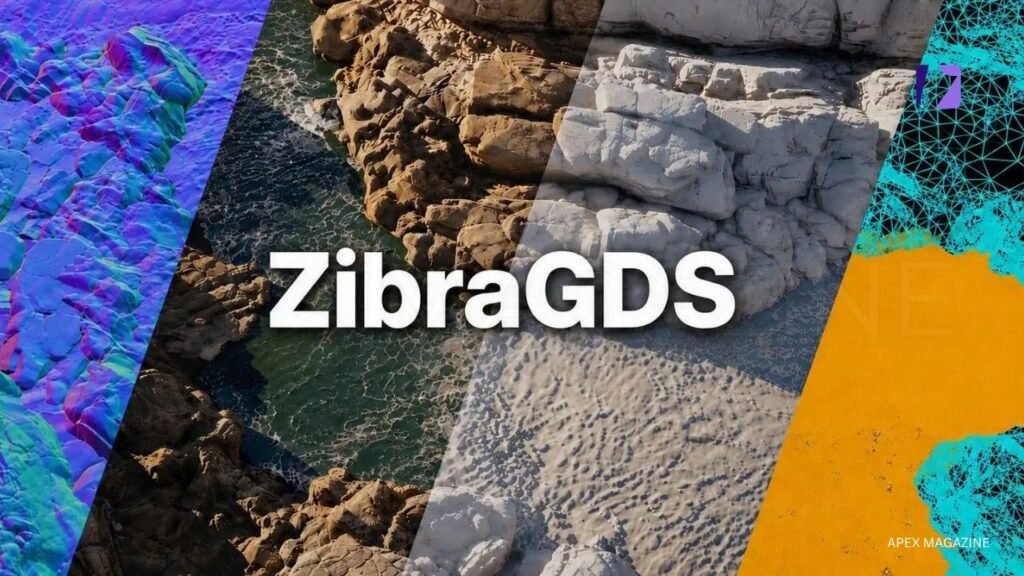
The main area of use for the new technology is animated 3D scenes with high detail, such as water simulation, the creation of complex visual effects, object destruction and other similar elements. Previously, due to the use of resource-intensive offline processes, processing such scenes took a lot of time. As a result, repeated rendering was required and work slowed down even after minor changes.
Sergey Tokarev emphasises that investments in such technologies influence the creation and scaling of new areas, from AI to tools for creating digital content.
ZibraGDS is designed to address these challenges. Its architecture makes it possible to:
- process complex geometry directly on the GPU;
- render scenes up to 10 times faster;
- handle scenes containing millions of polygons;
- reduce the volume of animated data by up to 92%.
How ZibraGDS Works
According to Zibra AI, the new product can handle large volumes of geometric data. During compression, 3D objects are automatically divided into small structural elements called meshlets. The data is then decompressed directly on the GPU using mesh and amplification shaders. This architecture allows large volumes of data to be processed in parallel and complex scenes to be rendered with minimal performance loss.
“The future of digital production will be determined by the emergence of technologies that facilitate the quick manufacturing and scaling of complex graphical items. This is why we need to form a new infrastructure that will in time become the backbone of the whole sector and industry. The development of Zibra AI is another step towards creating more affordable, faster and scalable digital content,” says Sergey Tokarev.
The new technology builds on the ZibraVDB platform, introduced in 2024, which supports a range of real-time volumetric effects.
Where the New Product Can Be Used
ZibraGDS technology will be able to make the work of teams creating large-scale 3D scenes easier. This includes the development of video games, virtual spaces, films and interactive products. Teams will be able to see the result in real time, which will help shorten production cycles, use resources more effectively and test different solutions faster.
According to Zibra AI CEO Alex Petrenko, the tool will eliminate the long waits associated with offline rendering by allowing large-scale, complex scenes to run directly in the engine. This will improve not only production speed but also the way studios approach the entire process.