
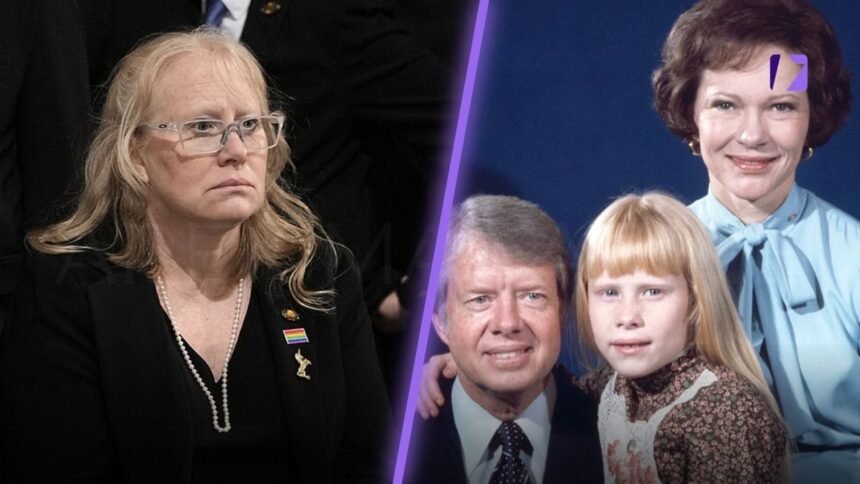
Amy Carter has remained a figure of public curiosity for decades. As the youngest daughter of Jimmy Carter and Rosalynn Carter, she experienced a childhood unlike most Americans. She entered the White House at just nine years old, instantly becoming one of the most recognized children in the country. While many presidential children fade into the background, Amy Carter’s life continued to draw attention due to her activism, education, and independent spirit.
Her story goes beyond politics. Amy Carter represents a unique blend of history, art, activism, and privacy. She grew up in front of cameras yet chose a quieter life as an adult. From playing in the White House treehouse to protesting U.S. foreign policy in her college years, her journey reflects both privilege and principle. Understanding her life provides insight into what it means to grow up as a First Daughter and later define your own identity.
- Quick Bio Amy Carter:
- Early Life and Family Background
- Childhood in the White House
- Relationship with President Jimmy Carter
- Relationship with Rosalynn Carter
- Education and Academic Journey
- Political Activism and Public Protests
- Legal Controversies and Arrests
- Personal Life, Marriage, and Children
- Career and Professional Work
- Life Away from the Spotlight
- Legacy as a Former First Daughter
- Where Is Amy Carter Now?
- Conclusion
- Frequently Asked Questions
Quick Bio Amy Carter:
| Category | Details |
|---|---|
| Full Name | Amy Lynn Carter |
| Date of Birth | October 19, 1967 |
| Place of Birth | Plains, Georgia, United States |
| Age (2026) | 58 years old |
| Nationality | American |
| Parents | Jimmy Carter (Father), Rosalynn Carter (Mother) |
| Siblings | John William “Jack” Carter, James Earl “Chip” Carter III, Donnel Jeffrey “Jeff” Carter |
| Known For | Youngest child of President Jimmy Carter; lived in the White House during his presidency (1977–1981) |
| Education | Brown University; Memphis College of Art; Tulane University |
| Field of Study | Fine Arts / Art History |
| Marital Status | Married |
| Spouse | James Wentzel |
| Children | 2 sons: Hugo James Wentzel (b. 1999) and Errol Carter Kelly (b. 2010). |
| Occupation | Artist and activist |
| Notable Activities | Political activism during the 1980s; participated in anti-apartheid and Central America policy protests |
| Current Residence | United States (maintains a private life) |
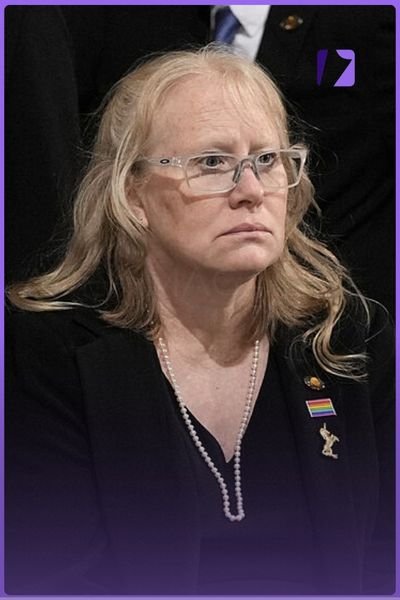
Early Life and Family Background
Amy Carter was born on October 19, 1967, in Plains, Georgia, a small Southern town known for its agricultural roots and strong community values. She grew up in a modest environment where faith, honesty, and service shaped daily life. Her father, Jimmy Carter, served as a peanut farmer and later as governor of Georgia before becoming president. Long before the White House years, Amy Carter experienced a childhood grounded in discipline and simplicity rather than political glamour. This early foundation helped her develop resilience and self-awareness at a young age.
The Carter family valued education and moral responsibility. Her mother, Rosalynn Carter, played an active role in raising her and ensured she maintained a balanced routine. Amy Carter attended public school in Georgia and interacted with children from ordinary backgrounds. The family avoided excessive privilege and encouraged independence. These early experiences shaped Amy Carter’s character and prepared her for the national spotlight that would soon follow. Her upbringing reflected structure, humility, and strong parental guidance.
Childhood in the White House
In 1977, Amy Carter moved into the White House after her father won the presidency. At just nine years old, she became one of the youngest presidential children to live there in modern history. The public showed immediate interest in Amy Carter’s daily activities. Media outlets often photographed her walking to school, attending official events, or spending time with her Siamese cat, Misty Malarky Ying Yang. Her presence brought youthful energy into a residence usually associated with formal politics.
Despite constant media attention, Jimmy Carter and Rosalynn Carter worked hard to protect their daughter’s privacy. Amy Carter attended a local public school in Washington, D.C., instead of enrolling in an elite private academy. This decision reinforced the family’s belief in normalcy and public education. She also enjoyed simple childhood pleasures, including a treehouse built on the White House grounds. These efforts allowed Amy Carter to maintain stability while living in one of the most recognized buildings in the world. Her White House years remain a defining chapter in her life story.

Relationship with President Jimmy Carter
Amy Carter shared a remarkably close and affectionate bond with her father, Jimmy Carter. Despite the heavy responsibilities that came with leading the United States, Jimmy Carter made consistent efforts to remain present in his daughter’s life. He often described Amy as intelligent, independent, and deeply thoughtful. Their connection extended beyond formal family roles, as he prioritized spending quality time with her even during his presidency. This visible warmth helped shape public perception of the Carter family as grounded and emotionally connected.
As Amy Carter matured, she developed a deeper understanding of her father’s dedication to human rights and diplomacy. Jimmy Carter’s post-presidency humanitarian work through the Carter Center further influenced her worldview. She observed firsthand how commitment to peace and global health initiatives could create lasting impact. These shared values strengthened their lifelong relationship. Amy Carter’s respect for her father’s principles later aligned with her own activism, reflecting a powerful blend of personal affection and ideological influence.
Relationship with Rosalynn Carter
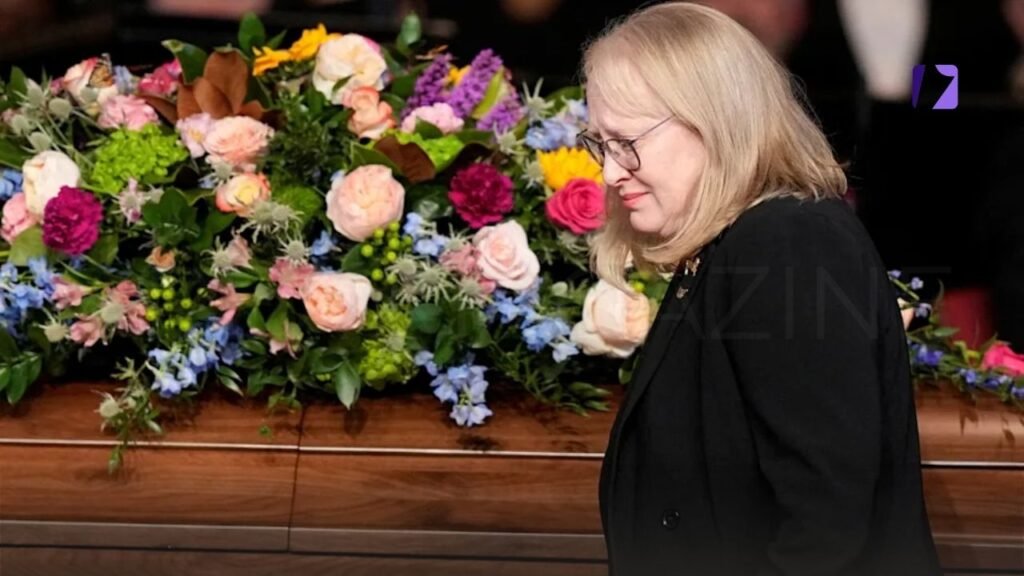
Rosalynn Carter played a defining role in shaping Amy Carter’s emotional and intellectual development. While serving as First Lady, Rosalynn maintained a strong hands-on approach to parenting. She managed White House responsibilities yet ensured Amy experienced routine, discipline, and maternal support. Rosalynn believed in raising a confident and compassionate daughter, even under national scrutiny. Her consistent presence provided stability during years filled with public attention.
Amy Carter frequently acknowledged her mother’s influence in shaping her resilience and independent thinking. Rosalynn’s advocacy for mental health awareness and social reform left a lasting impression on her daughter. Watching her mother address social issues with clarity and empathy encouraged Amy to think critically about justice and equality. This maternal guidance created a foundation for Amy Carter’s later activism. The relationship between mother and daughter combined emotional closeness with intellectual encouragement.
Education and Academic Journey
After leaving the White House in 1981, Amy Carter sought to build an identity separate from presidential history. She enrolled at Brown University, where she pursued higher education with a focus on academic independence. During her time there, she became actively involved in political discussions and student-led protests. Her participation in activism reflected her growing awareness of global policies and social justice concerns. Rather than relying on prestige, Amy Carter chose environments that challenged her intellectually.
She later continued her studies at the Memphis College of Art and eventually at Tulane University. At Tulane, she focused on fine arts, which allowed her to explore creativity beyond political identity. Art provided a medium for expression and reflection, helping her shape a personal path rooted in individuality. Education became a transformative phase in Amy Carter’s life. Through academic exploration and activism, she strengthened her voice and established independence beyond her role as a former president’s daughter.
Political Activism and Public Protests
During the 1980s, Amy Carter became widely recognized for her political activism. After leaving the White House, she stepped into public life on her own terms. She participated in protests against U.S. foreign policy in Central America and spoke out against apartheid in South Africa. Her activism attracted national media coverage because she was no longer viewed only as the former president’s daughter. Instead, Amy Carter emerged as a young citizen willing to challenge powerful institutions.
Her activism reflected values she absorbed from her upbringing. The human rights focus of her father, Jimmy Carter, deeply influenced her worldview. Rather than distancing herself from political issues, Amy Carter embraced civic engagement with conviction. She joined demonstrations, supported social justice causes, and stood publicly with fellow students. Unlike many former presidential children who avoid controversy, Amy Carter openly expressed her beliefs. This period marked a turning point in her public identity and strengthened her reputation as principled and independent.
Legal Controversies and Arrests
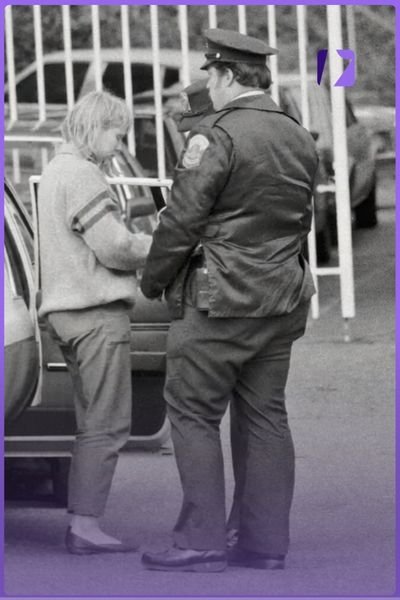
Amy Carter’s activism led to legal consequences during her college years. In 1986, while attending the University of Massachusetts Amherst, she was arrested during an anti-apartheid demonstration. Authorities charged her with disorderly conduct and resisting arrest. The arrest quickly gained national attention due to her presidential background. News outlets framed the case as a test of student protest rights and political expression in America.
A jury later acquitted Amy Carter of all charges. The trial sparked debate about freedom of speech and civil disobedience on college campuses. Throughout the legal process, she maintained composure and refused to retreat from her beliefs. She did not portray herself as a victim of circumstance. Instead, she stood firm in her convictions and accepted responsibility for participating in the protest. This episode reinforced Amy Carter’s image as determined and guided by principle rather than privilege.
Personal Life, Marriage, and Children
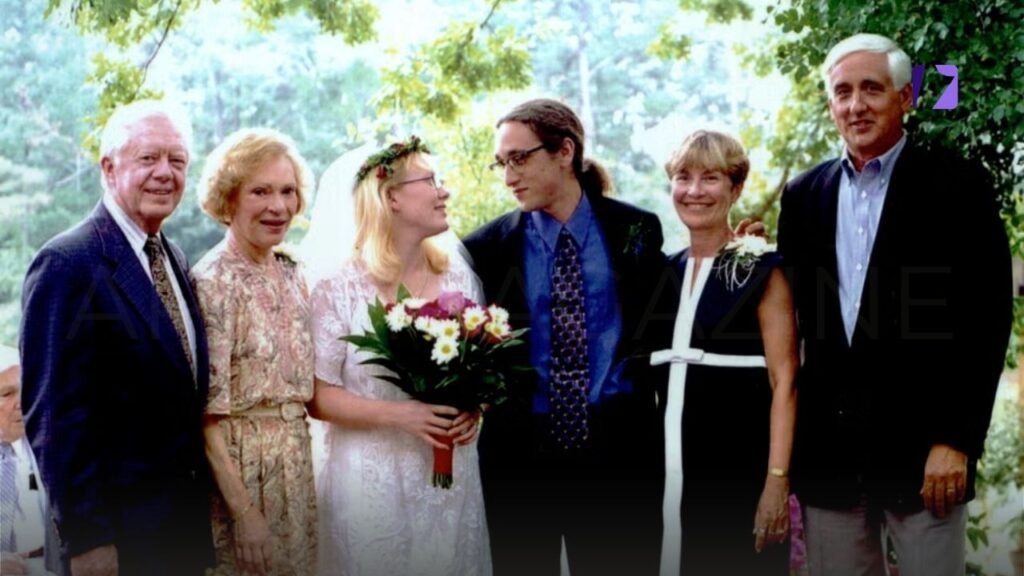
In adulthood, Amy Carter chose a far more private path. She married James Wentzel, a computer consultant, and the couple built a quiet family life together. They share one son and have intentionally avoided public exposure. Unlike her childhood years in the national spotlight, Amy Carter rarely appears in media interviews or public political discussions. Her personal life reflects intentional distance from celebrity culture and political fame.
Her decision to maintain privacy reveals thoughtful self-awareness. Growing up as the daughter of Jimmy Carter exposed her to constant public scrutiny. As a result, Amy Carter prioritized stability and protection for her own family. She values normalcy over attention and chooses selective involvement in public matters. This balance demonstrates maturity shaped by experience. Today, Amy Carter’s personal life remains grounded, private, and centered on family rather than headlines.
Career and Professional Work
Amy Carter chose a creative path rather than a political career. She pursued work in the arts and focused on illustration and design. One of her most notable public projects involved collaborating with her father, Jimmy Carter, on the children’s book The Little Baby Snoogle-Fleejer. Amy Carter illustrated the book, blending artistic talent with family connection. This project highlighted her creative identity and showed a softer, imaginative side of the Carter family legacy.
Although Amy Carter had opportunities to pursue high-profile roles, she avoided careers driven by fame. Instead, she selected projects aligned with personal values and artistic passion. Her professional life reflects authenticity rather than ambition for public recognition. She also maintained quiet involvement in humanitarian and community-centered initiatives connected to her family’s broader mission. Through art and selective collaboration, Amy Carter built a meaningful career beyond political symbolism.
Life Away from the Spotlight
After experiencing intense media coverage as a child in the White House, Amy Carter intentionally stepped away from public life. She reduced media appearances and avoided political commentary. This decision allowed her to create distance from the expectations placed on former presidential children. Privacy became central to her adulthood, offering stability and personal space.
Her lifestyle contrasts with many public figures who extend visibility into lifelong celebrity. Amy Carter chose family life and personal fulfillment instead of public platforms. She focused on raising her child and maintaining a grounded routine. This conscious shift reinforced her independence and maturity. By valuing privacy, Amy Carter demonstrated control over her narrative and identity.
Legacy as a Former First Daughter
Amy Carter holds a unique place in American political history. As a young child living in the White House during her father’s presidency, she symbolized youth and relatability. At a time marked by economic challenges and global tensions, her presence added warmth to the administration. Images of her attending school or playing on the White House grounds humanized the presidency of Jimmy Carter.
Her later activism expanded her legacy beyond childhood memories. She demonstrated that growing up in power does not restrict independent thinking. By participating in protests and standing publicly for social justice, Amy Carter shaped a legacy rooted in conviction. Her story bridges personal growth with political history. Today, she represents both innocence in the White House and principled activism in adulthood.
Where Is Amy Carter Now?
Today, Amy Carter lives a private life in the United States. She occasionally appears at events connected to the humanitarian work of the Carter Center. These appearances remain selective and purposeful rather than media-driven. She avoids routine interviews and does not seek public platforms. This reserved presence maintains the balance she has cultivated for decades.
Her current priorities center on family, creativity, and personal interests. While she remains connected to the Carter legacy, she defines herself outside political identity. Amy Carter’s life today reflects thoughtful distance from fame. Observers continue to show curiosity about her journey, yet she maintains firm boundaries. Her approach commands quiet respect and preserves long-term dignity.
Conclusion
Amy Carter’s life reflects resilience, independence, and deliberate growth. From childhood days inside the White House to moments of activism and artistic expression, she navigated extraordinary circumstances with clarity. She did not allow early fame to dictate her entire future. Instead, she shaped her identity through education, conviction, and creativity.
As the daughter of Jimmy Carter and Rosalynn Carter, she inherited a powerful historical legacy. Yet she carved her own path through art, activism, and privacy. Amy Carter remains an enduring figure in American political history because she balanced visibility with authenticity. Her journey demonstrates that legacy and individuality can coexist with strength and purpose.
Frequently Asked Questions
How old is Amy Carter?
Amy Carter was born on October 19, 1967. She is 58 years old in 2026.
Did Amy Carter live in the White House?
Yes, she lived in the White House from 1977 to 1981 during her father’s presidency.
What is Amy Carter known for?
She is known as the daughter of President Jimmy Carter and for her political activism during the 1980s.
Was Amy Carter ever arrested?
Yes, she was arrested during anti-apartheid protests in college but was later acquitted.
What does Amy Carter do now?
She lives a private life focused on family and artistic interests.
VISIT MORE: APEX MAGAZINE