
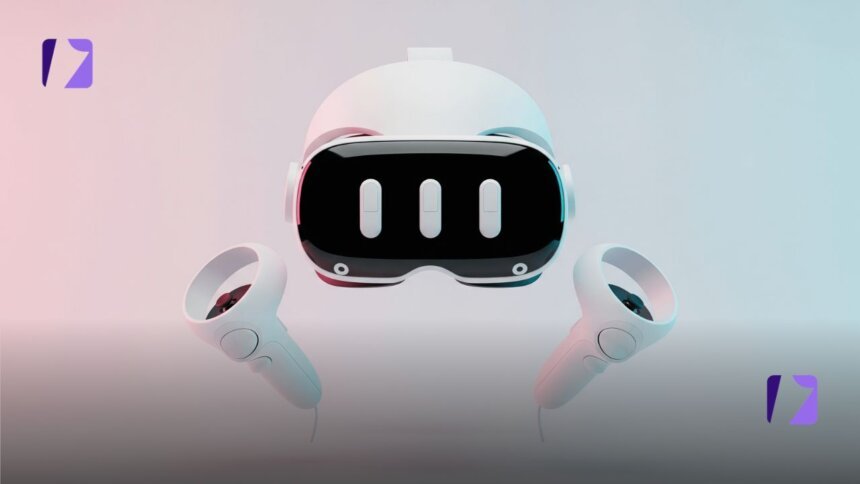
The Meta Quest 3 launched in 2024 with the promise of delivering cutting-edge virtual reality experiences. As we move deeper into 2025, VR enthusiasts and gamers are asking whether this headset is still worth investing in or if it has quietly become outdated. Meta aimed to improve performance, visuals, and overall immersion compared to its predecessors. However, rapid advancements in VR technology and competitive headsets from other companies make it essential to evaluate whether the Quest 3 remains a top contender or has started to lag behind. This review explores every aspect, from hardware to software, and helps determine its current value in the VR landscape.
Quick Overview
| Feature | Specification |
|---|---|
| Display Type | LCD fast-switching |
| Resolution | 2064 x 2208 per eye |
| Refresh Rate | 120 Hz |
| Processor | Snapdragon XR2 Gen 2 |
| RAM | 12 GB |
| Storage Options | 128 GB, 512 GB |
| Tracking | Inside-out 6DoF |
| Controllers | Updated Meta Touch Plus |
| Weight | 503 grams |
| Battery Life | 2–3 hours |
| Connectivity | Wi-Fi 6, Bluetooth 5.2 |
| Price | Starting at $499 |
Design and Build Quality
The Meta Quest 3 features a sleek, ergonomic design that improves comfort for extended use. Its weight distribution is slightly better than Quest 2, reducing neck strain during long gaming sessions. The headset uses durable yet lightweight materials, and the soft facial padding enhances comfort while minimizing light leakage. The strap system is adjustable and offers better stability, although some users may prefer aftermarket options for heavy gaming marathons. Overall, the design balances durability, aesthetics, and comfort for an immersive experience.
- Quick Overview
- Design and Build Quality
- Display and Visual Experience
- Performance and Hardware Upgrades
- Software and User Interface
- Gaming Experience and Compatibility
- Battery Life and Charging
- Price and Value for Money
- Pros and Cons of Meta Quest 3
- Comparison with Previous Models
- Common Issues and Limitations
- Is Meta Quest 3 Still Worth Buying in 2025?
- Conclusion
- FAQs
Display and Visual Experience
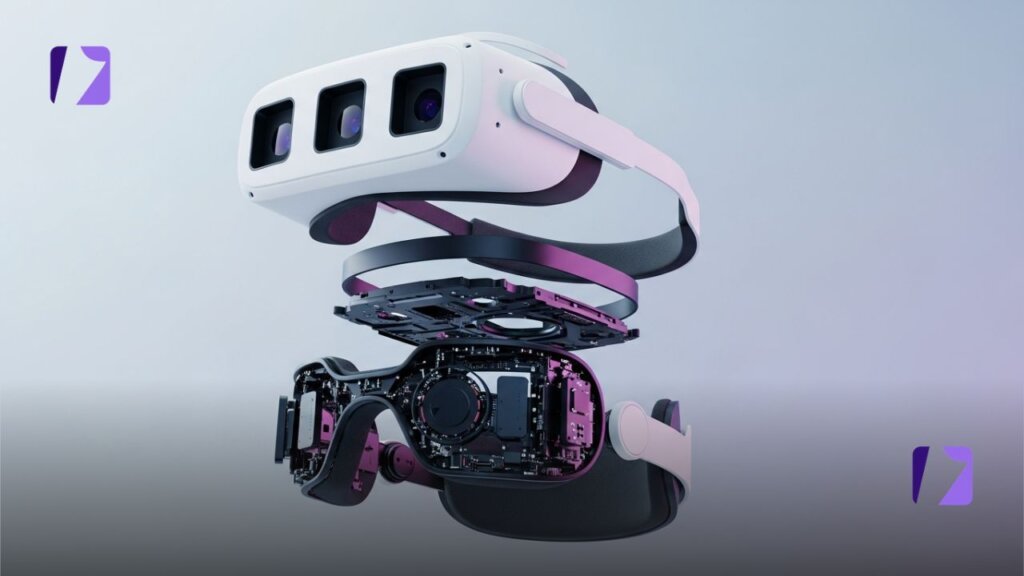
One of the most notable upgrades in the Meta Quest 3 is its display. With 2064 x 2208 resolution per eye and a 120 Hz refresh rate, visuals are crisp, and motion appears smooth. Colors are more vibrant, and the improved LCD panel reduces screen-door effect significantly compared to older models. While it still cannot match the visual fidelity of high-end PC VR headsets like the Vive Pro 2, the Quest 3 offers an impressive standalone VR experience. Whether you are gaming, exploring virtual worlds, or watching immersive videos, the headset delivers high-quality visuals that feel modern and immersive.
Performance and Hardware Upgrades
The Meta Quest 3 is powered by the Snapdragon XR2 Gen 2 processor paired with 12 GB RAM, which results in noticeably faster load times, smoother gameplay, and improved multitasking capabilities. The upgraded processor allows for more complex games and enhanced graphics while maintaining stability during intensive VR experiences. Users will notice fewer frame drops and minimal latency, which is crucial for comfort and immersion. The internal hardware upgrades make Quest 3 future-proof for a few years, although competing headsets may push the envelope further with more advanced specs.
Software and User Interface
Meta has refined the user interface to be more intuitive and responsive. Quest 3 runs Meta’s latest VR OS, which features streamlined navigation, faster app launching, and improved multitasking. The headset supports Meta’s expanding VR ecosystem, including social VR spaces, productivity apps, and interactive experiences. The inclusion of hand tracking and passthrough features enhances interactivity, although some users report occasional calibration issues. Regular software updates from Meta ensure that the device stays current, but the quality of the experience depends on continuous developer support for optimized apps.
Gaming Experience and Compatibility
The Meta Quest 3 Review 2025 excels in providing a broad library of compatible games. From action-packed shooters to immersive puzzle games, the device delivers a variety of experiences for casual and hardcore gamers alike. With backward compatibility for Quest 2 titles and access to Meta’s VR store, users can enjoy thousands of apps without worrying about missing out. The improved controllers provide more precise tracking, haptic feedback, and comfort. Competitive gaming in VR is smoother, but the device is not designed to replace high-end PC VR setups for professional-level performance.
Battery Life and Charging
Battery life on the Meta Quest 3 ranges from two to three hours of continuous use, similar to the previous model. Charging takes approximately 2–3 hours with the included USB-C charger. While adequate for short gaming sessions or VR experiences, heavy users may need a charging dock or external battery pack for longer play. Meta has not introduced significant improvements in this area, which remains one of the few minor drawbacks compared to some PC-tethered VR systems with longer endurance.
Price and Value for Money
Starting at $499 for the base model, the Meta Quest 3 offers good value considering its standalone capabilities and upgraded specs. Compared to other mid-range VR headsets, the Quest 3 balances price with performance, display quality, and usability. The 512 GB variant is priced higher, appealing to those who plan to download large VR libraries. While newer competitors have emerged, Quest 3 remains an attractive option for users who want a convenient, all-in-one VR experience without requiring a high-end PC.
Pros and Cons of Meta Quest 3
Pros:
- Crisp visuals with 2064 x 2208 resolution per eye
- Smooth 120 Hz refresh rate
- Ergonomic and comfortable design
- Powerful Snapdragon XR2 Gen 2 processor
- Large library of compatible games
- Intuitive user interface
Cons:
- Limited battery life (2–3 hours)
- Some passthrough and hand tracking inconsistencies
- Not as high-end as PC-tethered VR systems
- Price can be high for storage upgrades
Comparison with Previous Models
Compared to Quest 2, the Quest 3 offers significant upgrades in processor speed, display clarity, refresh rate, and ergonomics. While the form factor is similar, improvements in comfort and weight distribution make longer play more enjoyable. Software and app compatibility remain strong, and the device is more capable of handling intensive VR applications. However, the basic design does not deviate drastically from the previous generation, and high-end PC VR headsets still outperform Quest 3 in raw visual fidelity.
Common Issues and Limitations
Users have reported minor issues with hand tracking, occasional controller drift, and occasional software glitches. Some games may not fully utilize the hardware upgrades, and battery life can feel limiting during long sessions. However, Meta’s commitment to regular updates generally resolves most problems over time. It is important to manage expectations, especially for those transitioning from PC VR, as the Quest 3 is primarily a standalone device designed for convenience rather than maximum power.
Is Meta Quest 3 Still Worth Buying in 2025?
The Meta Quest 3 remains a compelling choice in 2025 for those seeking standalone VR experiences. Its upgraded visuals, improved performance, and intuitive software make it a solid investment. While some high-end PC VR headsets offer better graphics and longer battery life, the Quest 3 delivers convenience, portability, and affordability. For new VR users or casual gamers, the device remains highly relevant. However, early adopters of Quest 2 may evaluate whether the upgrades justify the price. Overall, Quest 3 continues to hold its value as a well-rounded VR headset.
Conclusion
The Meta Quest 3 Review 2025 is a capable and versatile VR headset that balances performance, design, and usability. Its strengths lie in improved display quality, comfortable ergonomics, and a wide library of games. While it has minor limitations like battery life and hand-tracking inconsistencies, these do not significantly detract from the overall experience. For gamers and VR enthusiasts in 2025, the Quest 3 still represents a strong, worthwhile investment, offering an immersive experience without the need for a high-end PC setup.
FAQs
Does Meta Quest 3 work without a PC?
Yes, the Quest 3 is a standalone VR headset and can operate independently without a PC connection.
What is the battery life of Meta Quest 3?
The device typically lasts 2–3 hours on a full charge, depending on usage and application intensity.
Can I play Quest 2 games on Quest 3?
Yes, the Meta Quest 3 is backward compatible with Quest 2 titles, allowing access to an extensive game library.
Is the Meta Quest 3 suitable for beginners?
Absolutely. Its standalone design, intuitive interface, and wide app availability make it ideal for new VR users.
How does Quest 3 compare to PC VR headsets?
While convenient and portable, Quest 3 cannot match high-end PC VR headsets in raw graphics and processing power, but it offers an excellent all-in-one experience.
VISIT MORE: APEX MAGAZINE