
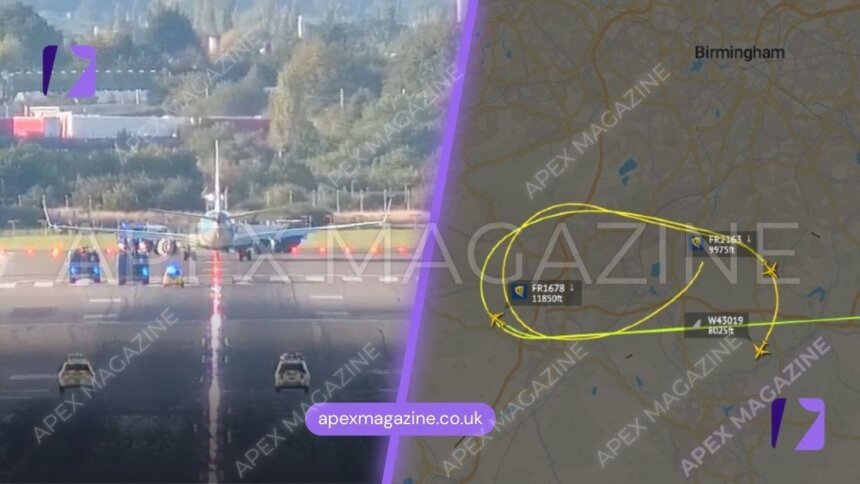
On September 28, 2025, TUI Airways Flight BY6754, en route from Cardiff Airport (UK) to Pafos, Cyprus, was forced to make an emergency landing at Birmingham Airport following a serious in‑flight incident that prompted the flight crew to follow emergency procedures. The Boeing 737‑800, operating under tail number G‑TAWY. Encountered technical problems shortly after departure and declared an emergency to ensure passenger safety. Emergency services at Birmingham Airport responded promptly, and the aircraft touched down safely without any reported injuries. The airline later confirmed that precautionary measures had been taken and that all passengers and crew were safe.
Flight Details: TUI BY6754 Route and Aircraft Information
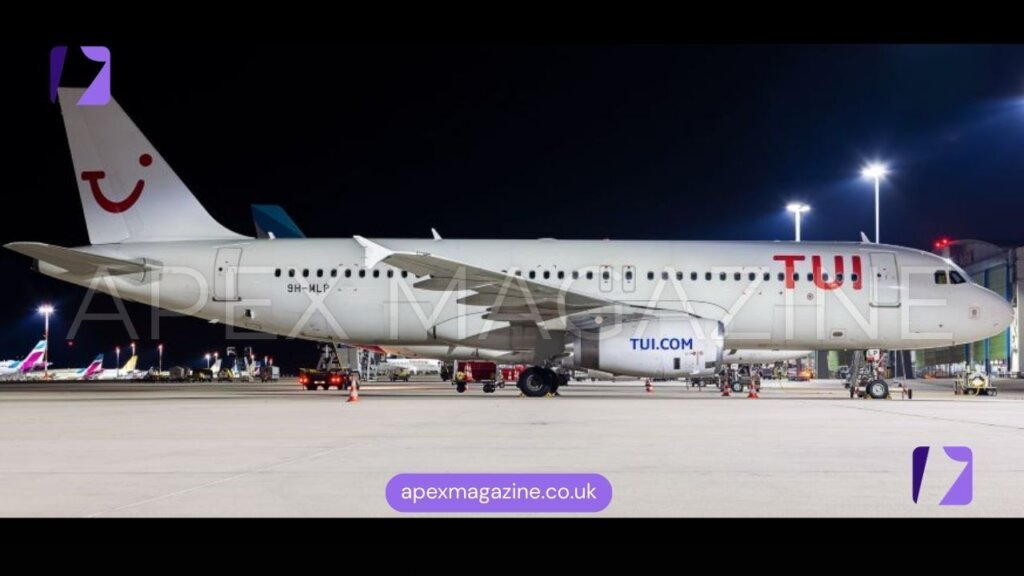
TUI Flight BY6754 was scheduled to fly from Cardiff Airport in Wales to Pafos International Airport in Cyprus, a routine holiday route popular with passengers heading to warmer climates. The aircraft involved was a Boeing 737‑800, a widely used short‑to‑medium‑haul airliner known for its reliability. Shortly after takeoff, the flight encountered difficulty, forcing the crew to reconsider the planned route. Rather than continue to Cyprus, the pilots chose to declare an emergency and divert the aircraft to the nearest suitable airport, prioritising passenger safety and operational caution.
- Flight Details: TUI BY6754 Route and Aircraft Information
- What Happened During the Flight?
- Response from Pilots and Crew
- Passenger Experience and Eyewitness Accounts
- Airlines Statement on Safety and Incident
- Emergency Procedures Followed Onboard
- Airport and Ground Support Actions
- Investigation Into the Cause of the Emergency
- Safety Record of TUI Airlines
- Implications for Future Flights and Travel Advisory
- Conclusion
- Frequently Asked Questions
What Happened During the Flight?
According to aviation news reports, the emergency unfolded soon after the aircraft departed Cardiff. The plane climbed only a short distance when a technical issue affected its climb performance. Initial reports suggested an engine problem during the ascent, prompting the pilots to halt their climb and circle West of Cardiff while assessing the situation. Air traffic control was informed immediately, and the emergency radio code “squawk 7700” was activated. Signalling that the aircraft faced a potentially serious in‑flight emergency requiring immediate attention from controllers and support teams.
Response from Pilots and Crew
The flight crew responded quickly and professionally, following standard emergency protocols. After identifying the issue, the pilots maintained the aircraft at around 7,000 feet and held a controlled pattern as they coordinated with air traffic control. Recognising that the aircraft could not safely continue toward its intended destination, they set a course toward Birmingham Airport in the West Midlands. Throughout the event, the pilots communicated with passengers and crew, ensuring that everyone was informed and prepared for a precautionary landing.
Passenger Experience and Eyewitness Accounts
Passengers reported mixed emotions during the emergency. Some described initial uncertainty and concern when the aircraft failed to climb normally after takeoff. Other eyewitnesses observed the aircraft circling near Swansea Bay before redirecting toward Birmingham. Despite the tense situation, many passengers later praised the crew for their professionalism and calm communication. Emergency services on the ground were fully prepared, with fire trucks and ambulances waiting on standby as the aircraft touched down safely.
Airlines Statement on Safety and Incident
Both TUI Airways and Birmingham Airport released statements confirming the event and emphasising passenger safety. A spokesperson from Birmingham Airport said the diversion was accepted and that airport fire services met the aircraft upon landing in line with standard safety procedures. Meanwhile, TUI confirmed that the diversion followed what they labelled a precautionary routine procedure after an external event widely reported as a bird strike experienced during takeoff. Authorities stressed that safety remained their top priority and that the aircraft landed without injury to passengers or crew.
Emergency Procedures Followed Onboard
During any in‑flight emergency, crew members follow strict procedures to protect passengers and the aircraft. In this case, the pilots declared an emergency using the internationally recognised code and coordinated with air traffic control to secure priority landing clearance. Cabin crew prepared the cabin for an emergency landing by ensuring seat belts were fastened, securing loose items, and briefing passengers on safety protocols. This thorough execution of procedures plays a vital role in ensuring that even unexpected incidents result in safe outcomes.
Airport and Ground Support Actions
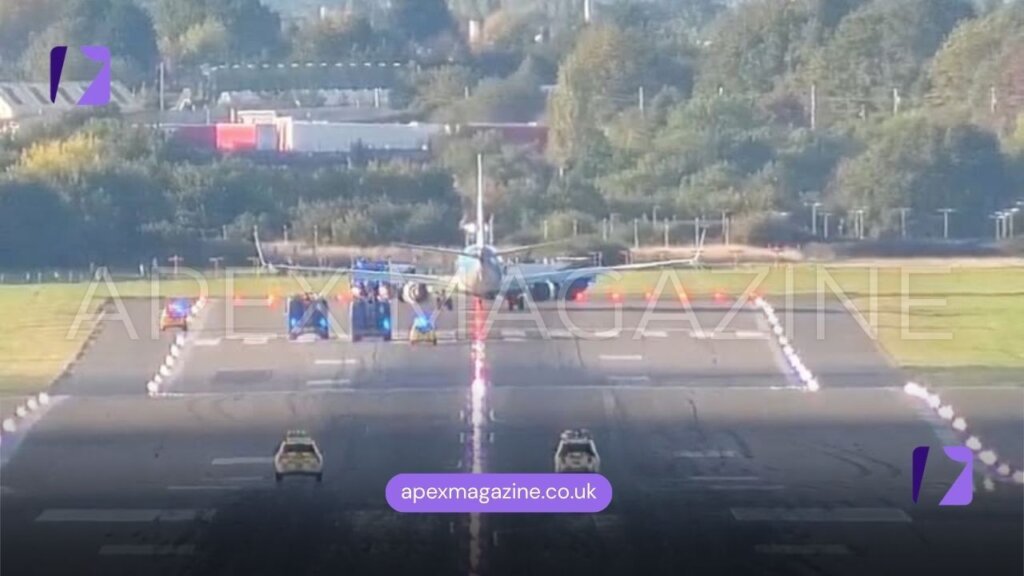
When an aircraft declares an emergency, the destination airport’s emergency services instantly mobilise. At Birmingham Airport, fire crews, ambulances, and support personnel were positioned to assist if needed. The airport temporarily prioritised the arrival of Flight BY6754 by adjusting its operations to accommodate the unexpected landing. Emergency vehicles were stationed near the appropriate runway and standby locations, ready to respond should any additional assistance be required. Thanks to this coordinated response, the aircraft was able to land and taxi to its stand without further incident.
Investigation Into the Cause of the Emergency
Initial reports indicated that the flight was diverted due to a bird strike. A known risk on takeoff that can impact aircraft performance. Birmingham Airport officials stated that the bird strike was identified as the cause of the precautionary diversion. That systems were checked thoroughly before confirming the aircraft’s safety. These investigations typically involve both airline engineers and aviation authorities. Who collaborate to review flight data and ensure all systems are functioning properly before the aircraft can be returned to service.
Safety Record of TUI Airlines
TUI Airways, one of Europe’s largest leisure carriers, operates a fleet of Boeing aircraft and has maintained a strong safety record. Like all major airlines, TUI adheres to stringent maintenance schedules and safety checks, which are monitored by international aviation regulators. Emergency landings, while rare, are part of aviation safety protocols, and airlines train crews to handle such situations with precision. The safe landing of Flight BY6754 underscores both crew readiness and robust systems that prioritise passenger well‑being.
Implications for Future Flights and Travel Advisory
Following the emergency landing, TUI Airways and airport authorities worked to minimise disruption for passengers’ travel plans. Those originally bound for Cyprus were planned to be rerouted on subsequent flights once operations normalised. Birmingham Airport resumed standard flight operations soon after the event, and both airlines and investigators continued reviewing data to confirm necessary follow‑ups. Passengers were advised to monitor updates from the airline regarding rescheduled flights. Hotels, and travel support for reaching their final destination.
Conclusion
The emergency landing of TUI Flight BY6754 serves as a reminder of the aviation industry’s emphasis on safety when unexpected challenges arise. From the initial technical uncertainty to the declaration of an emergency and the safe touchdown at Birmingham Airport. The event highlights the professionalism of flight crews, airport response teams, and airline coordination. With no injuries reported and the incident handled efficiently, passengers reached safety, and the airline reaffirmed its commitment to secure travel. Aviation officials will continue reviewing the cause and procedures, ensuring that lessons learned enhance future operational responses.
Frequently Asked Questions
What caused TUI Flight BY6754 to divert and make an emergency landing?
The flight declared an emergency primarily due to a bird strike shortly after takeoff from Cardiff Airport. Prompting a precautionary diversion and landing at Birmingham Airport.
Was anyone injured on TUI Flight BY6754 during the emergency landing?
No, all passengers and crew aboard TUI Flight BY6754 were reported safe, with no injuries during the emergency landing.
Where did TUI Flight BY6754 divert to?
The flight was diverted to Birmingham Airport (BHX) in the West Midlands, where it landed safely after declaring an emergency.
How do emergency landings work for commercial aircraft?
When an aircraft experiences a serious issue, pilots declare an emergency (often via “squawk 7700”). Communicate with air traffic control, and are prioritised for landing while emergency services prepare on the ground.
Will passengers still reach their original destination?
After an emergency diversion, airlines typically rebook passengers on later flights or alternate routes to ensure they reach their final destination with minimal additional disruption.
VISIT MORE: APEX MAGAZINE