
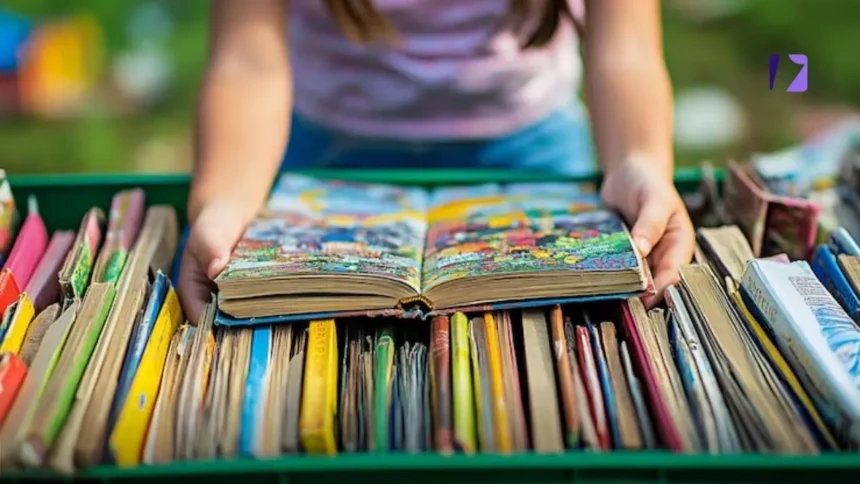
Early childhood is one of the most important stages of learning and development. During these years, children begin building essential skills in language, communication, numbers, problem-solving, creativity, and social interaction. The right learning materials can make this process more engaging, enjoyable, and effective for young learners.
Choosing suitable preschool books is therefore important for helping children develop strong learning foundations before entering primary school. Parents often look for books that are interactive, age-appropriate, and designed to support progressive learning. Educational resources that encourage curiosity, confidence, and independent thinking can positively shape a child’s early academic journey.
- Why Early Learning Books Matter
- Books That Support Language Development
- Mathematics Books for Foundational Skills
- Interactive Books Keep Children Engaged
- Progressive Learning Is Important
- Books That Encourage Independent Learning
- Importance of Real-World Learning Concepts
- Why Parents Prefer Structured Educational Resources
- Balancing Learning and Enjoyment
- Preparing Children for Primary School
- Final Thoughts
- Frequently Asked Questions
Why Early Learning Books Matter
Preschool years are when children develop core cognitive and communication skills that support future learning. Books designed specifically for young learners help introduce concepts in a simple and engaging way.
Well-structured preschool learning materials can help children become more comfortable with reading, numbers, and basic problem-solving.
- Builds early language and vocabulary skills
- Introduces numbers and basic mathematics concepts
- Encourages creativity and imagination
- Develops attention span and focus
Early exposure to learning materials helps children become more confident learners.
Books That Support Language Development
Language development is one of the key focuses during preschool education. Children need opportunities to recognise letters, sounds, words, and simple sentence structures before primary school.
Books that include reading activities, phonics exercises, and vocabulary building can support this process effectively.
- Alphabet recognition activities
- Basic phonics and sound exercises
- Vocabulary-building activities
- Simple sentence reading practice
These activities help children improve communication and early literacy skills.
Mathematics Books for Foundational Skills
Mathematics learning in preschool should focus on understanding numbers and developing logical thinking rather than memorisation alone.
Some preschool books introduce concepts gradually through visual and interactive activities. The Conquer Pre-School Mathematics series from Singapore Asia Publishers, for example, is designed to prepare children for primary-level mathematics through progressive activities and practical learning approaches.
Important mathematical skills introduced at the preschool level include:
- Counting and number recognition
- Addition and subtraction basics
- Shapes, patterns, and measurements
- Understanding time and money concepts
Strong mathematical foundations can help children transition more smoothly into primary education.
Interactive Books Keep Children Engaged
Young children learn best when lessons are interactive and visually engaging. Preschool books with colourful illustrations, activities, tracing exercises, and puzzles often capture children’s attention more effectively.
Interactive learning materials can make education feel enjoyable instead of stressful.
- Colourful and attractive visuals
- Hands-on tracing and writing activities
- Puzzles and matching exercises
- Fun problem-solving tasks
Engaging materials encourage children to participate actively in learning.
Progressive Learning Is Important
The best preschool books are those that follow a progressive learning structure. Concepts should become gradually more advanced as children improve their understanding.
Several SAP learning series are designed with this progression in mind, moving from Nursery to K1 and K2 levels while reinforcing important foundational concepts.
Progressive learning helps children:
- Build confidence gradually
- Avoid feeling overwhelmed
- Strengthen understanding step by step
- Develop better learning habits
This creates a smoother and more comfortable learning experience.
Books That Encourage Independent Learning
Preschool learning materials should also encourage children to explore and learn independently. Simple instructions and guided activities help children become more confident while practising on their own.
Books that support self-learning can help children develop responsibility and curiosity from an early age.
- Easy-to-follow instructions
- Guided examples for activities
- Independent tracing and writing tasks
- Simple exercises children can complete confidently
Independent learning also strengthens concentration and discipline.
Importance of Real-World Learning Concepts
Children learn better when concepts are connected to everyday experiences. Preschool books that include familiar themes help children understand ideas more naturally.
Some educational resources use real-world contexts and visual examples to make learning more meaningful for young learners.
Examples of practical learning concepts include:
- Identifying everyday objects and colours
- Recognising shapes and patterns around them
- Understanding time and daily routines
- Learning basic problem-solving skills
Practical learning improves understanding and retention.
Why Parents Prefer Structured Educational Resources
Parents often prefer educational books that provide clear learning goals and organised activities. Structured resources make it easier to guide children consistently at home.
Many families choose SAP Books because the materials are designed to support gradual learning development while remaining aligned with Singapore educational standards. The books are also widely recommended by parents and teachers.
Structured educational resources help parents:
- Monitor learning progress more effectively
- Create regular revision routines
- Identify weaker learning areas early
- Support school readiness confidently
This allows children to receive more consistent academic support.
Balancing Learning and Enjoyment
Preschool education should not feel overly academic or stressful. Children learn best when lessons are enjoyable and encourage exploration.
The best preschool learning books balance education with creativity and fun activities.
- Story-based learning activities
- Colouring and drawing exercises
- Interactive games and puzzles
- Hands-on learning opportunities
Enjoyable learning experiences help children stay motivated and curious.
Preparing Children for Primary School
One of the key purposes of preschool education is to prepare children for the transition to primary school. Learning materials that gradually introduce literacy, numeracy, and classroom skills can help children adapt more confidently.
Books designed for preschool readiness often focus on both academic and developmental growth.
- Improves classroom readiness
- Strengthens focus and listening skills
- Encourages confidence in learning
- Develops stronger foundational understanding
Children who feel prepared are often more comfortable entering primary school.
Final Thoughts
Choosing the right preschool books can make a significant difference in a child’s early learning journey. Educational materials that combine structured learning, interactive activities, and progressive skill development help children build stronger foundations before primary school.
With engaging resources, practical learning support, and structured educational content, SAP Books continue to support parents and young learners in creating a positive and confident start to education.
Frequently Asked Questions
What should parents look for in preschool books?
Parents should look for preschool books that are age-appropriate, engaging, and structured for gradual learning. Books with interactive activities and clear concepts can help children learn more effectively.
How do preschool books support early learning?
Preschool books help children develop important skills such as language, numbers, problem-solving, and creativity. They also improve confidence and prepare children for primary school learning.
Are SAP Books suitable for preschool children?
Yes, SAP Books offer preschool learning resources designed to support early literacy, numeracy, and foundational skills. The books provide structured and engaging activities suitable for young learners.
Visit More: APEX MAGAZINE