
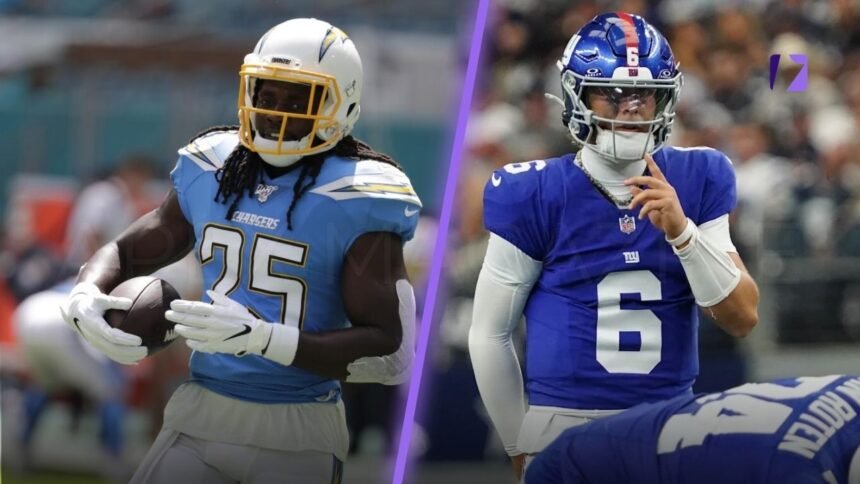
The Week 4 NFL clash between the Los Angeles Chargers and the New York Giants on September 28, 2025 turned into a memorable showdown at MetLife Stadium, ending with the Giants edging out the Chargers 21–18 in a tightly contested game. This matchup marked an important moment for both teams as the Giants secured their first win of the season while delivering the Chargers their first loss after starting 3–0. The game featured impactful performances, notable rookie contributions, and fluctuating momentum from start to finish.
This article breaks down the full result through detailed player stats and tactical insights. From offensive breakout efforts to defensive stands and special teams plays, each section will analyze key contributors and turning points that shaped the outcome of this pivotal Week 4 game. Let’s explore how the action unfolded and what it meant for both squads going forward.
- Quick Score Summary Table
- Quick Match Stats Overview
- Team Performance Breakdown: Los Angeles Chargers
- Team Performance Breakdown: New York Giants
- Key Offensive Player Stats
- Key Defensive Player Stats
- Special Teams Highlights
- Statistical Comparisons: Chargers vs Giants
- Game Turning Points
- Player Awards and Standout Performers
- Post‑Match Analysis and Implications
- Conclusion
- Frequently Asked Questions
Quick Score Summary Table
| Team | Q1 | Q2 | Q3 | Q4 | Final |
|---|---|---|---|---|---|
| Los Angeles Chargers | 0 | 10 | 8 | 0 | 18 |
| New York Giants | 7 | 6 | 8 | 0 | 21 |
Quick Match Stats Overview
| Category | Los Angeles Chargers | New York Giants |
|---|---|---|
| Total Yards | 338 | 250 |
| Passing Yards | 186 | 89 |
| Rushing Yards | 152 | 161 |
| First Downs | 17 | 20 |
| 3rd‑Down Efficiency | 4‑12 | 7‑15 |
| Red Zone Efficiency | 0‑1 | 2‑5 |
| Turnovers | 2 | 0 |
| Penalties | 14‑107 | 8‑43 |
| Time of Possession | 24:32 | 35:28 |
Team Performance Breakdown: Los Angeles Chargers
The Chargers entered this matchup undefeated but faced challenges containing the Giants’ ground and aerial attacks. Los Angeles amassed 338 total yards, led by a strong rushing effort that helped keep drives alive and maintain possession at critical times. Their ability to mix runs and passes allowed them to sustain longer drives, though untimely turnovers ultimately hindered their momentum.
Offensively, the Chargers showed flashes of explosiveness, particularly in the second and third quarters. Yet inconsistency in the passing game highlighted by two interceptions limited their scoring efficiency. Despite amassing respectable yardage, missed opportunities in the red zone and costly turnovers contributed to a close loss in a game they had opportunities to win.
Team Performance Breakdown: New York Giants
The Giants’ performance combined opportunistic defense with clutch offensive execution. With 21 points on the board, New York capitalized on Chargers mistakes and turned them into scoring chances. Rookie quarterback Jaxson Dart demonstrated poise beyond his years, contributing both a rushing touchdown and an impressive passing presence that helped his team stay in control when needed.
Despite early season struggles, the Giants’ defense anchored the team in this matchup. They forced turnovers and applied enough pressure to disrupt the Chargers’ rhythm, especially in pivotal moments. The unit’s performance proved decisive in maintaining leads and setting the table for New York’s ultimate success in this tight battle.
Key Offensive Player Stats
Los Angeles featured balance in their offensive attack. Rookie running back Omarion Hampton was instrumental, rushing for 128 yards and scoring a 54‑yard touchdown on 12 carries, providing consistent ground production and explosive plays. His contributions kept drives alive and energized the Chargers’ offense throughout the contest.
Quarterback Justin Herbert finished with 203 passing yards, one touchdown, and two interceptions. While he connected deep for a touchdown to Quentin Johnston, Herbert’s turnovers proved costly. The interceptions created short fields for the Giants and swung momentum at critical junctures, demonstrating how turnovers can shape outcomes even in balanced offensive games.
On the Giants’ side, Dart started his first NFL game with authority, throwing for 111 yards and a touchdown while also gaining 54 rushing yards of his own. His dual‑threat capability extended drives and kept defenses honest, while Cam Skattebo added 79 rushing yards of his own, complementing Dart’s efforts and underpinning a balanced attack.
Key Defensive Player Stats
Defense played a defining role in the contest. New York’s defensive front consistently pressured Herbert, contributing to the Chargers’ turnovers. The Giants’ pass rush was impactful throughout the game, disrupting timing and forcing errors at opportune moments.
Defensive playmakers stepped up, with interior pressure and timely tackles helping stifle Los Angeles’ rhythm. Meanwhile, the Chargers’ defense battled but ultimately allowed enough scoring to keep the Giants ahead. Giants defenders, including Dexter Lawrence, made significant plays that swung field position and momentum.
Special Teams Highlights
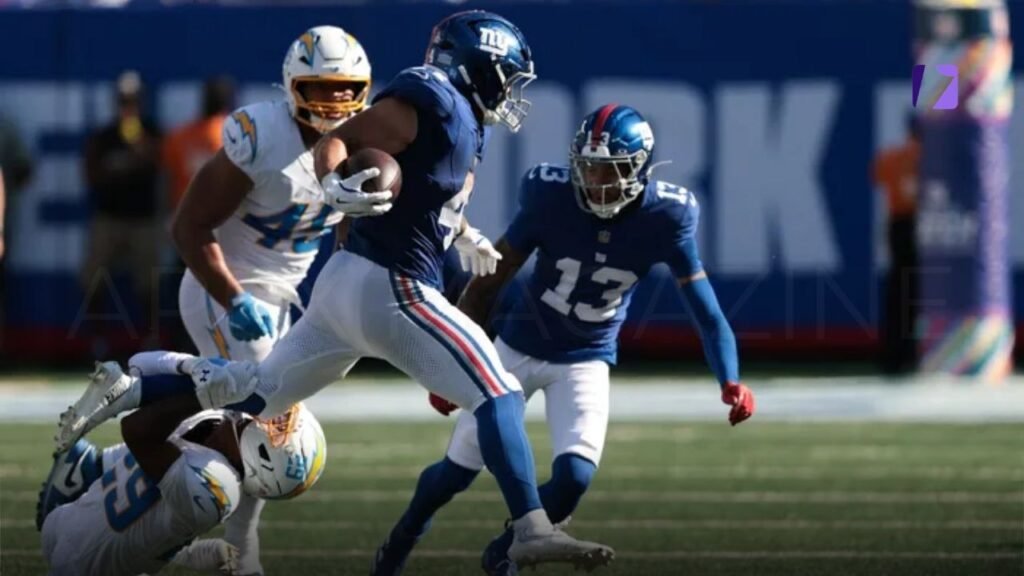
Special teams also influenced the tone of the matchup. Although field position often dictated conservative offensive starts, successful field goals from Jude McAtamney were essential in building and maintaining the Giants’ lead. Their accuracy gave New York the edge in a game where every point mattered.
For Los Angeles, Cameron Dicker’s field goal kept the score close and helped stave off a widening deficit. Punts and kick coverage helped flip field position, keeping the defensive units fresh and able to respond when their offenses stalled. Special teams’ efficiency therefore played a subtle yet meaningful role throughout the game.
Statistical Comparisons: Chargers vs Giants
A comparison of core team statistics highlights contrasting strengths. The Chargers edged the Giants in total yardage (338 vs. 250), while the Giants controlled possession longer, owning the ball for over 35 minutes compared to Los Angeles’ 24 minutes. This disparity in time of possession underlined New York’s ability to sustain long drives and manage clock effectively.
Third‑down efficiency and first downs also pointed to New York’s consistent execution. Their ability to convert key opportunities kept momentum on their side. Meanwhile, the Chargers’ two turnovers and six sacks allowed hurt their offensive continuity, underscoring how critical each possession was in the tightly contested affair.
Game Turning Points
Several pivotal moments shaped the final result. Early in the first quarter, Dart’s 15‑yard rushing touchdown set the tone and gave the Giants initial confidence. Following this, defensive stands and a field goal extended their edge heading into the second quarter.
Another major turning point was Herbert’s interceptions, which swung momentum and field position. These errors directly or indirectly led to Giants scoring opportunities and forced Los Angeles to play catch‑up. Meanwhile, Hampton’s explosive touchdown run showcased the Chargers’ potential but ultimately wasn’t enough to overcome the cumulative effects of turnovers.
Player Awards and Standout Performers
Standout performances came from players who made their mark under pressure. For the Chargers, Hampton’s rushing 128 yards and long touchdown highlighted his breakout as a dynamic offensive weapon. His performance kept the Chargers competitive until the final whistle.
On the Giants’ side, Dart’s dual rushing and passing contributions stood out. As a rookie making his first start, his poise and ability to find rhythm in critical moments were noteworthy. Defensive standouts also made meaningful contributions through key pressures and turnovers that helped provide New York with the edge.
Post‑Match Analysis and Implications
This result reshaped narratives for both teams. For the Giants, earning their first win of the season invigorated confidence and provided validation for their strategic decisions, especially the move to start Dart at quarterback. The victory revealed why momentum and execution matter as much as raw talent in the NFL.
For the Chargers, the defeat was a wake‑up call. Despite offensive productivity, turnovers and missed opportunities highlighted areas needing improvement. How they adjust in subsequent weeks, particularly in protecting the football and refining protection schemes, will determine whether they rebound from this narrow loss.
Conclusion
The Chargers vs Giants Week 4 matchup was a thrilling, closely fought contest decided by tactical execution, key turnovers, and breakout performances. The Giants emerged victorious 21–18, propelled by strategic playcalling, timely defensive pressure, and impactful offensive contributions from rookie Jaxson Dart. Meanwhile, the Chargers’ promising offensive display was overshadowed by mistakes in key moments.
This matchup underscored that in the NFL, games are often won by the team that best manages critical situations and maintains consistency across all phases of play. Fans of both teams will remember this game for its twists, emerging stars, and the dramatic finish that defined the early 2025 season narrative.
Frequently Asked Questions
Who was the top offensive performer in the Chargers vs Giants game?
Omarion Hampton led the Chargers with a standout performance, rushing for 128 yards and scoring a 54‑yard touchdown. His explosive running helped keep Los Angeles competitive throughout the game.
Which rookie made the biggest impact in this matchup?
Rookie quarterback Jaxson Dart made a significant impact for the Giants, rushing for a touchdown and passing for a key scoring play in his first career NFL start.
How did turnovers affect the outcome?
Justin Herbert’s two interceptions created advantageous field position for the Giants and played a pivotal role in shaping the final result.
Did special teams influence the final score?
Yes. Field goals from Giants kicker Jude McAtamney added crucial points that helped maintain the team’s lead, while the Chargers’ field goal kept the game within reach.
VISIT MORE: APEX MAGAZINE