
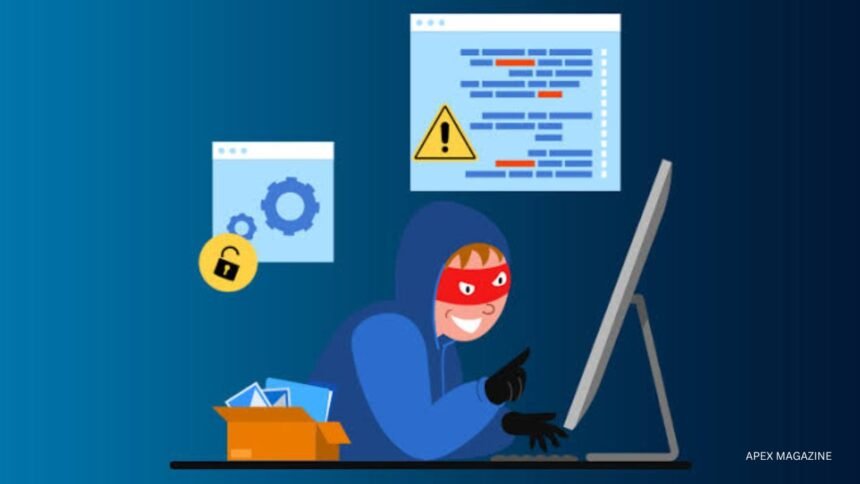
Most people use the internet every day without giving much thought to the content passing through their devices and networks. Emails are opened, websites are visited, files are downloaded and links are clicked, often within seconds. Unfortunately, not everything online is as harmless as it appears.
Malicious content is deliberately created or manipulated to cause harm, steal information or gain unauthorised access to systems. Understanding what it looks like and how it spreads can make it much easier to avoid becoming a victim.
What Counts as Malicious Content?
Malicious content is a broad term covering digital material designed to compromise devices, networks or personal information. It can appear in emails, websites, online advertisements, downloaded files, messages and even apparently legitimate documents.
For example, a seemingly ordinary email attachment could contain malware. A website might have been compromised so that visiting a particular page automatically exposes a device to harmful software. Cybercriminals may also create fake login pages that closely resemble genuine websites in an attempt to collect passwords or payment details.
The difficulty is that malicious content is not always obvious. Modern attacks can be designed to look remarkably convincing, particularly when criminals imitate familiar brands, colleagues or organisations.
How Does Malicious Content Reach You?
Email remains one of the most common delivery methods. Phishing emails frequently encourage users to open attachments, follow links or provide sensitive information. However, malicious content can also spread through social media, messaging platforms, compromised websites and downloadable software.
Businesses can be especially attractive targets because one successful attack may provide access to large amounts of data or an entire company network.
This is why cybersecurity needs to involve more than simply asking employees to avoid suspicious emails. Organisations may also use security measures such as antivirus tools, email filtering, access controls and firewall appliances with sonicwallonline.co.uk to help control network traffic and reduce exposure to potential threats.
Why Should You Be Wary of Unexpected Content?
One of the easiest ways to reduce risk is to become more cautious about anything unexpected.
An email claiming that an account has been locked might create a sense of urgency so that you click before thinking. Similarly, an unexpected invoice or document may tempt you to open an attachment simply to find out what it contains.
Before interacting with unfamiliar content, look at where it came from. Check the sender’s email address, consider whether the message makes sense and avoid entering passwords after following unexpected links.
When in doubt, visit an organisation’s website directly rather than using the link provided in a message.
Keeping Devices and Networks Protected
Good security also depends on keeping software updated. Cybercriminals regularly target known vulnerabilities in operating systems, applications and browsers, so delaying updates can leave unnecessary weaknesses exposed.
Businesses should consider combining technical protection with regular employee awareness training. People who understand phishing, suspicious attachments and unusual login requests are generally better prepared to recognise something that does not look right.
Treat Online Content With a Little Suspicion
The internet is an essential part of everyday life, but convenience can sometimes encourage people to click first and think afterwards.
Malicious content succeeds when it appears trustworthy enough to lower someone’s guard. By staying cautious, checking unexpected messages carefully and using appropriate security measures, individuals and organisations can make it much harder for harmful content to find its way onto their devices and networks.
Visit More APEX MAGAZINE