
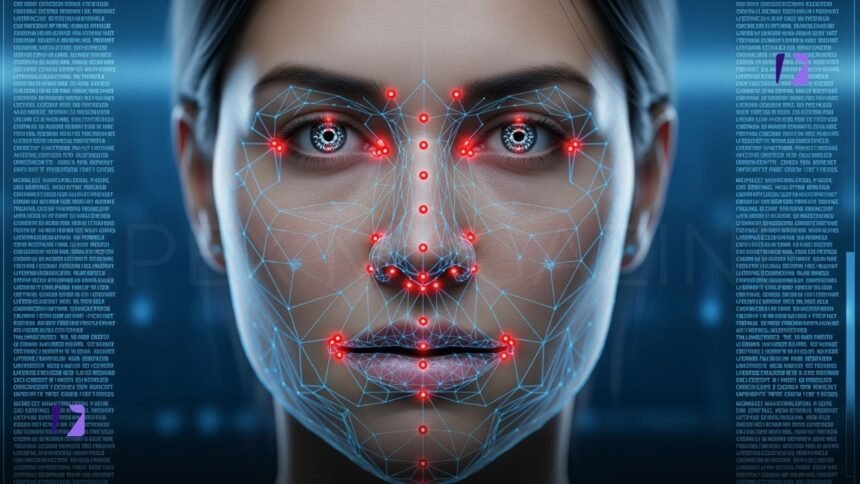
Facial recognition technology is often marketed as fast, accurate, and reliable, yet real-world usage tells a more complex story. Errors occur more frequently than many people realize, affecting security systems, law enforcement, and everyday public services. These errors raise serious questions about trust, fairness, and accountability in modern digital systems.
As facial recognition becomes more widespread, understanding its limitations becomes essential. Errors are not just technical glitches; they can have life-altering consequences. From wrongful arrests to privacy violations, facial recognition errors impact individuals and communities in profound ways.
- What Is Facial Recognition Technology?
- How Facial Recognition Systems Work
- Understanding Facial Recognition Error Rates
- Common Types of Facial Recognition Errors
- False Positives and False Negatives Explained
- Technology Limitations Behind Facial Recognition Errors
- Role of Poor Data Quality in Recognition Failures
- Algorithm Design and Accuracy Challenges
- Bias in Facial Recognition Systems
- Racial and Gender Bias in Facial Recognition Errors
- Why Certain Demographic Groups Are Misidentified More Often
- Facial Recognition Errors in Law Enforcement
- Real-World Cases of Wrong Identification
- Impact of Facial Recognition Errors on Innocent Individuals
- Privacy Risks Linked to Facial Recognition Technology
- Data Collection, Surveillance, and Consent Issues
- Ethical Concerns Surrounding Facial Recognition Use
- Facial Recognition Errors in Airports, Retail, and Public Spaces
- Security Risks Caused by Recognition Failures
- Legal and Regulatory Challenges Around Facial Recognition
- Government Policies and Global Regulations
- Can Facial Recognition Errors Be Fixed?
- Technological Improvements and AI Advancements
- Best Practices to Reduce Facial Recognition Errors
- Public Trust and the Future of Facial Recognition Technology
- Should Facial Recognition Be Limited or Banned?
- Conclusion
- Frequently Asked Questions
What Is Facial Recognition Technology?
Facial recognition technology is a biometric identification system designed to recognize or verify a person by analyzing unique facial features. It works by capturing an image or video of a face and measuring distinct characteristics such as the distance between the eyes, the shape of the nose, the contour of the jawline, and other facial landmarks. These measurements are converted into digital data, creating a facial profile that can be stored and compared against existing records in a database.
This technology is now widely used across industries including security, banking, retail, healthcare, and transportation. Airports use it for identity checks, banks rely on it for secure authentication, and retailers apply it for customer insights. While facial recognition offers speed and convenience, it also introduces serious risks when its accuracy is assumed to be perfect. Overreliance on this technology can lead to misuse, especially when human oversight is reduced or removed entirely.
How Facial Recognition Systems Work
Facial recognition systems function through a multi-step technical process that begins with image acquisition. Cameras capture facial images from live video feeds, photographs, or surveillance footage. The system then detects a face within the image and isolates key facial landmarks such as the eyes, mouth, and nose. This detection phase is critical, as poor lighting or unclear images can already introduce errors at this early stage.
Once facial landmarks are detected, the system converts them into a mathematical representation known as a face template. This template is then compared with other templates stored in a database to find potential matches. If the similarity score crosses a predefined threshold, the system produces a match result. Errors can arise at any step, from inaccurate face detection to flawed comparison algorithms, making overall accuracy highly dependent on both data quality and system design.
Understanding Facial Recognition Error Rates
Facial recognition error rates indicate how often a system produces incorrect outcomes. These errors are typically classified into false positives, where the system incorrectly matches a person to someone else, and false negatives, where it fails to recognize the correct individual. Even error rates that seem statistically small can become dangerous when systems are deployed at scale across millions of users or surveillance points.
Technology vendors often report impressive accuracy figures based on controlled testing environments. However, real-world conditions are far less predictable. Factors such as poor lighting, camera angles, facial expressions, aging, and motion significantly increase error probability. As a result, real-world performance often falls short of laboratory benchmarks, making advertised accuracy claims misleading in practical scenarios.
Common Types of Facial Recognition Errors
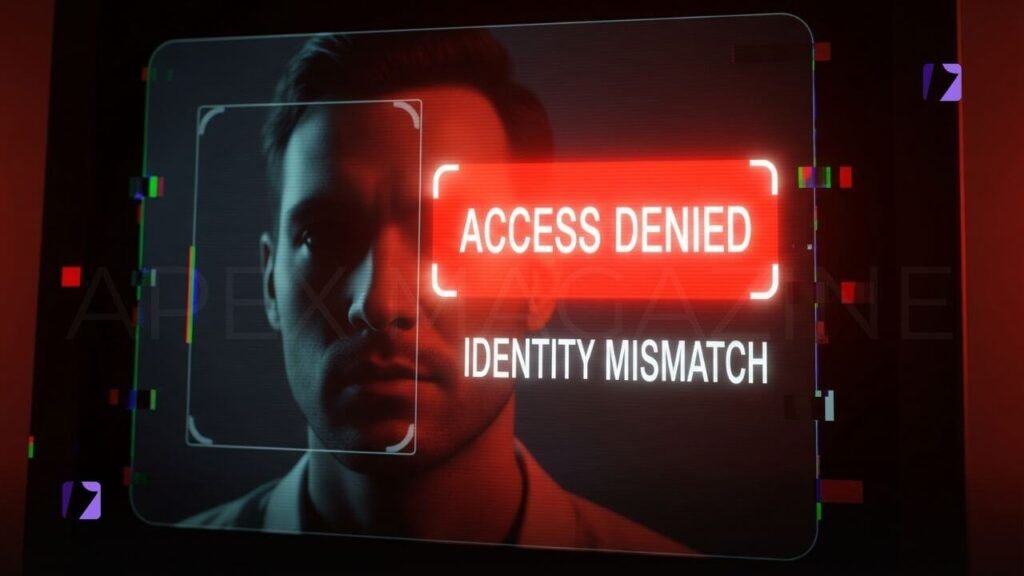
Facial recognition errors occur in several common forms, each with unique implications. Identification errors happen when the system incorrectly identifies a person as someone else, which can be especially harmful in law enforcement or security contexts. Verification errors occur when a legitimate user is denied access because the system fails to recognize them accurately.
Environmental conditions also play a major role in recognition failures. Low-resolution cameras, shadows, glare, and obstructions like face masks, hats, or glasses can severely reduce accuracy. These everyday challenges demonstrate why facial recognition should never be treated as a standalone decision-making authority. Without contextual judgment and human review, these systems can easily produce unreliable and harmful outcomes.
False Positives and False Negatives Explained
False positives occur when a facial recognition system incorrectly matches one person’s face with another individual’s identity stored in the database. This type of error is especially dangerous in law enforcement, border control, and surveillance systems, where misidentification can result in wrongful questioning, detention, or even arrest. A single false positive can seriously affect a person’s reputation, legal standing, and mental well-being.
False negatives happen when the system fails to recognize a legitimate or authorized individual. Although these errors receive less media attention, they create significant operational problems. False negatives can block access to secure facilities, disrupt financial transactions, and delay identity verification processes. Together, false positives and false negatives weaken confidence in facial recognition systems and highlight the risks of relying on them without human oversight.
Technology Limitations Behind Facial Recognition Errors
Facial recognition technology depends heavily on machine learning models trained on large datasets of facial images. These models perform well only when they encounter faces and conditions similar to their training data. When systems face unfamiliar lighting conditions, facial expressions, aging effects, or cultural differences, their accuracy declines sharply. This limitation restricts adaptability in real-world environments.
Hardware limitations further increase the likelihood of errors. Low-resolution cameras, poor camera angles, and improper placement reduce the system’s ability to capture accurate facial details. Even the most advanced algorithms cannot fully correct weak visual input. As a result, technological constraints at both the software and hardware levels contribute to inconsistent and unreliable facial recognition outcomes.
Role of Poor Data Quality in Recognition Failures
High-quality data is the foundation of accurate facial recognition systems. When training datasets are incomplete, outdated, or poorly labeled, recognition accuracy suffers. Systems trained on limited or biased data fail to perform consistently across different populations, leading to uneven results and higher error rates for certain groups.
Inconsistent image sources also play a major role in recognition failures. Combining professional studio photographs with low-quality surveillance footage introduces variations in lighting, resolution, and facial angles. These inconsistencies confuse algorithms and reduce matching accuracy. Without standardized data collection and maintenance practices, facial recognition systems remain vulnerable to frequent failures.
Algorithm Design and Accuracy Challenges
Algorithm design directly influences how facial features are analyzed and compared. Some algorithms place excessive emphasis on specific facial traits, such as eye shape or bone structure, while underweighting others. This imbalance increases the risk of incorrect matches, especially when individuals share similar facial characteristics.
Fast-paced development cycles also create accuracy challenges. Many companies rush facial recognition products to market to stay competitive, often limiting long-term testing and real-world evaluation. As a result, systems may be deployed before developers fully understand their weaknesses. This premature deployment increases the likelihood of errors in sensitive applications such as policing, security, and identity verification.
Bias in Facial Recognition Systems
Bias is one of the most critical issues affecting facial recognition accuracy. Research consistently shows higher error rates for women, people of color, and individuals at age extremes. These disparities are not random; they reflect imbalances in training datasets and limitations in algorithmic design that favor certain demographic groups.
Bias does not always result from intentional discrimination. It often emerges from systemic problems in data collection, where some groups are underrepresented or misrepresented. When biased systems are deployed at scale, they reinforce existing inequalities and increase the risk of unfair treatment. This makes bias mitigation essential for responsible use of facial recognition technology.
Racial and Gender Bias in Facial Recognition Errors
Racial bias in facial recognition systems leads to disproportionately high misidentification rates for minority communities. Individuals with darker skin tones are more likely to experience false positives because many datasets lack sufficient diversity. This issue becomes particularly dangerous in law enforcement settings, where biased errors can directly affect civil liberties.
Gender bias is also a persistent challenge, with women often experiencing higher error rates than men. Facial recognition systems may struggle with variations in hairstyles, makeup, and facial features that are less represented in training data. These racial and gender disparities highlight the ethical and social risks of deploying facial recognition technology without prioritizing fairness, inclusivity, and accountability.
Why Certain Demographic Groups Are Misidentified More Often
Certain demographic groups are misidentified more frequently because facial recognition systems rely on training datasets that lack sufficient diversity. When algorithms are trained primarily on faces from limited ethnic, age, or gender groups, they struggle to accurately recognize individuals who fall outside those dominant categories. As a result, people from underrepresented communities experience higher rates of false positives and false negatives.
Cultural and physical variations further contribute to these errors. Hairstyles, facial hair, skin tone, makeup, and accessories differ widely across communities and cultures. Systems trained on narrow visual norms fail to adapt to these variations. This lack of adaptability increases demographic-specific errors and exposes the limitations of one-size-fits-all facial recognition models.
Facial Recognition Errors in Law Enforcement
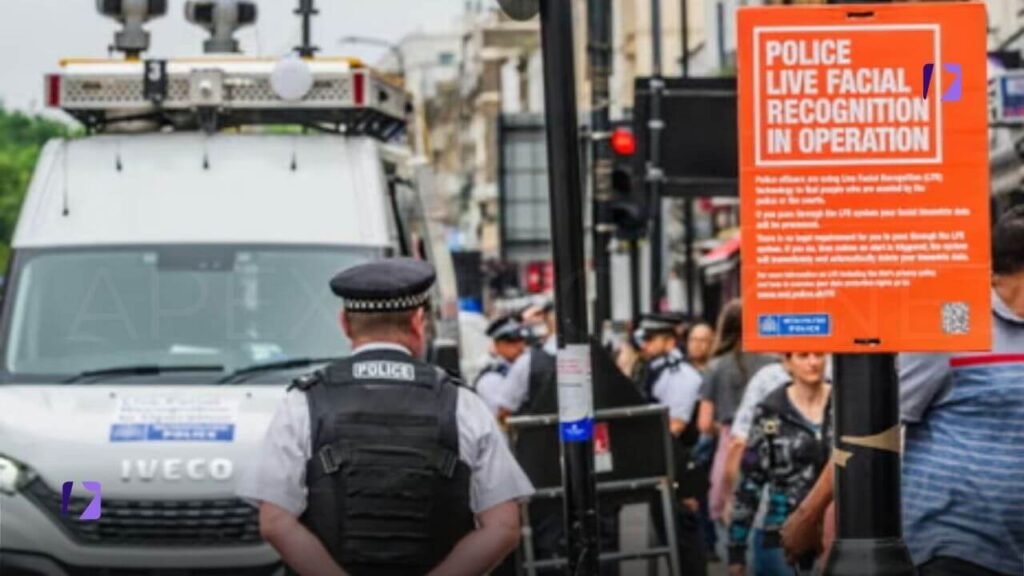
Law enforcement agencies increasingly use facial recognition systems to identify suspects, monitor public spaces, and support investigations. In this context, errors carry severe consequences. A single incorrect match can lead to wrongful arrests, interrogations, and legal proceedings against innocent individuals, undermining justice and public trust.
The problem becomes worse when officers rely too heavily on automated results. When algorithmic matches are treated as factual evidence rather than investigative leads, human judgment is sidelined. This overreliance magnifies system flaws and increases the risk of irreversible harm, especially in communities already facing disproportionate surveillance.
Real-World Cases of Wrong Identification
Multiple real-world cases demonstrate how facial recognition errors have led to wrongful identification. Innocent individuals have been arrested after being falsely matched with blurry surveillance images. In many cases, poor image quality, low-resolution cameras, and biased algorithms played a major role in the mistakes.
The consequences of these cases extend beyond temporary inconvenience. Victims often face public embarrassment, damaged reputations, and lengthy legal struggles. These incidents highlight that facial recognition errors are not theoretical risks but real problems with tangible human costs.
Impact of Facial Recognition Errors on Innocent Individuals
Wrongful identification can severely disrupt a person’s life. Innocent individuals may lose jobs, face legal expenses, or struggle to clear their names from criminal records. Even after being proven innocent, the damage caused by suspicion and public exposure often remains.
Psychological effects are equally serious. Anxiety, fear, and long-term mistrust toward law enforcement and institutions frequently follow such experiences. These emotional impacts show that improving technical accuracy alone is not enough; safeguards and accountability are equally necessary.
Privacy Risks Linked to Facial Recognition Technology
Facial recognition technology enables large-scale surveillance without individuals’ knowledge or consent. Cameras placed in public spaces continuously collect facial data, often without transparency about who controls the data or how it is used. This widespread monitoring threatens personal privacy and freedom of movement.
Once facial data is collected, it becomes highly vulnerable. Data breaches, unauthorized access, and misuse pose serious risks because biometric data cannot be reset like passwords. Long-term storage of facial information increases exposure to identity theft and unauthorized tracking.
Data Collection, Surveillance, and Consent Issues
Many facial recognition systems collect biometric data without explicit user consent. This lack of informed consent raises serious legal and ethical concerns, especially when individuals have no option to opt out of surveillance in public or semi-public spaces.
The absence of clear data retention policies worsens these concerns. Without defined limits, facial data may be stored indefinitely or reused for unrelated purposes. Such practices erode public trust and increase the likelihood of misuse by governments or private entities.
Ethical Concerns Surrounding Facial Recognition Use
Ethical concerns surrounding facial recognition extend beyond privacy into issues of autonomy, fairness, and human rights. The technology can enable profiling, behavioral tracking, and social control, especially when deployed without transparency or oversight.
Without strong accountability frameworks, misuse becomes easier and more likely. Ethical deployment requires clear regulations, independent audits, and public oversight. Setting firm boundaries ensures that facial recognition serves public benefit rather than undermining civil liberties.
Facial Recognition Errors in Airports, Retail, and Public Spaces
Airports increasingly rely on facial recognition for identity verification, boarding, and immigration checks. When errors occur, travelers may face unnecessary delays, secondary screenings, or questioning. These situations create stress, disrupt travel schedules, and reduce confidence in automated security systems, especially when passengers are falsely flagged.
In retail and public spaces, the impact of errors can be even more widespread. False matches in stores may lead to unwarranted suspicion or surveillance of innocent customers. When facial recognition is deployed across large public areas, even minor inaccuracies are amplified, affecting thousands of people daily and increasing the likelihood of repeated misidentification.
Security Risks Caused by Recognition Failures
Facial recognition errors introduce serious security vulnerabilities. False negatives allow unauthorized individuals to bypass systems, potentially granting access to restricted areas. This weakness undermines the very purpose of security infrastructure and creates openings for criminal or malicious activity.
False positives also pose risks by misdirecting attention toward innocent individuals. Security personnel may focus on incorrect alerts while real threats go unnoticed. Overconfidence in automated systems reduces human vigilance, demonstrating why facial recognition should support human judgment rather than replace it entirely.
Legal and Regulatory Challenges Around Facial Recognition
Legal frameworks have struggled to keep pace with rapid advancements in facial recognition technology. Many regions lack comprehensive laws governing how facial data is collected, stored, and used. This absence of regulation leaves individuals vulnerable to misuse and limits accountability for errors.
The lack of clarity also results in inconsistent application across industries and jurisdictions. Without standardized rules, organizations interpret responsibilities differently. This legal ambiguity makes it difficult for affected individuals to seek redress when errors lead to harm, discrimination, or privacy violations.
Government Policies and Global Regulations
Some governments have responded to growing concerns by introducing restrictions or outright bans on facial recognition in certain contexts. These policies reflect recognition of the risks associated with misidentification, bias, and unchecked surveillance, particularly in law enforcement settings.
Globally, regulatory approaches vary significantly. While some countries impose strict oversight, others allow widespread use with minimal controls. The absence of international standards creates fragmented regulation, enabling companies to operate unevenly and complicating efforts to protect human rights consistently.
Can Facial Recognition Errors Be Fixed?
Completely eliminating facial recognition errors is unlikely due to the complexity of human faces and real-world conditions. However, harm can be reduced through better data diversity, improved algorithm transparency, and rigorous real-world testing. Incremental improvements can lower error rates but not eliminate risk.
Human oversight remains essential in all deployments. Facial recognition systems should function as decision-support tools rather than final authorities. Accountability must remain with humans, ensuring that automated outputs are questioned, verified, and contextualized before action is taken.
Technological Improvements and AI Advancements
Advancements in artificial intelligence offer opportunities to improve facial recognition accuracy and fairness. Techniques such as bias auditing, adaptive learning, and explainable AI help identify weaknesses and reduce discriminatory outcomes over time.
Despite these advances, technology alone cannot resolve ethical and social challenges. Improved algorithms do not address issues of consent, surveillance, or misuse. Responsible deployment requires combining technical progress with strong ethical standards and regulatory oversight.
Best Practices to Reduce Facial Recognition Errors
Best practices for reducing errors include using diverse and representative training datasets, conducting regular accuracy audits, and setting clear limits on system use. Transparency in how systems operate builds trust and allows independent evaluation of performance and bias.
Organizations should also provide opt-out options, appeal mechanisms, and human review processes. These safeguards protect individual rights and ensure that people affected by errors have pathways to challenge and correct outcomes.
Public Trust and the Future of Facial Recognition Technology
Public trust is critical to the future of facial recognition technology. Without confidence in fairness, accuracy, and accountability, adoption will face resistance from consumers, civil rights groups, and policymakers.
Education and open dialogue play a key role in building trust. People deserve to understand how facial recognition systems work, where they are used, and how their data is protected. Transparency fosters informed consent and public acceptance.
Should Facial Recognition Be Limited or Banned?
Some advocates argue for strict limitations or complete bans on facial recognition, particularly in policing and mass surveillance. These positions stem from concerns about irreversible harm caused by misidentification, bias, and abuse of power.
Others support controlled use with strong safeguards, oversight, and accountability. This debate highlights the need to balance technological innovation with fundamental rights, ensuring that progress does not come at the cost of justice and privacy.
Conclusion
Facial recognition technology offers efficiency and convenience, but persistent errors expose its fragile foundations. Accuracy gaps, systemic bias, and privacy risks challenge claims of reliability and raise serious ethical questions.
The future of facial recognition depends on responsible design, robust regulation, and meaningful human oversight. Innovation must align with human rights and social values if the technology is to earn lasting trust and legitimacy.
Frequently Asked Questions
What causes facial recognition errors?
Facial recognition errors occur due to poor data quality, biased training datasets, algorithm limitations, and environmental factors like lighting and camera angles.
Are facial recognition systems biased?
Yes, many systems show higher error rates for women and people of color due to unequal representation in training data.
How serious are facial recognition errors in law enforcement?
They can be severe, leading to wrongful arrests, legal consequences, and emotional distress for innocent individuals.
Can facial recognition errors be reduced?
Errors can be reduced through better data diversity, algorithm audits, human oversight, and strict usage guidelines.
Is facial recognition technology safe to use?
It can be useful when carefully regulated, but unchecked use poses risks to privacy, fairness, and civil liberties.
VISIT MORE: APEX MAGAZINE