
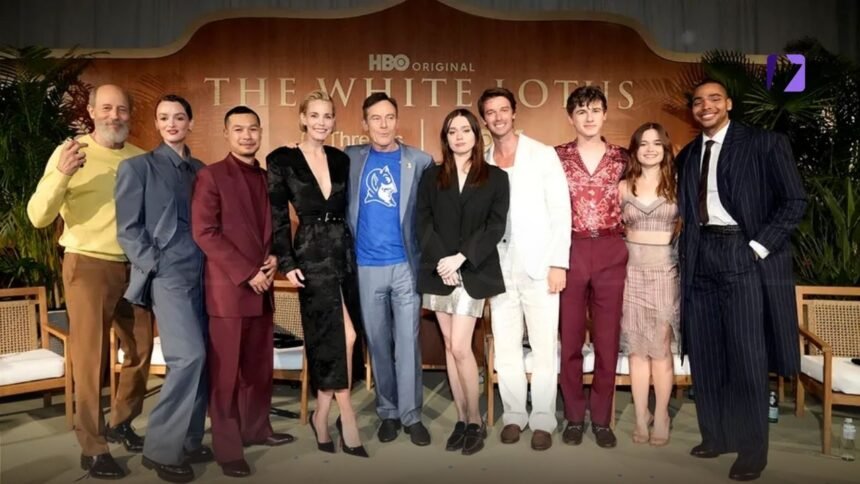
The White Lotus has captured the imagination of audiences worldwide, blending dark comedy, drama, and social satire into a compelling anthology series. Created by Mike White, the show explores the intricacies of privilege, human behavior, and interpersonal conflict, all set against luxurious resort backdrops. Its rotating ensemble cast has brought to life a range of memorable characters whose flaws, ambitions, and quirks drive the narrative, making each season an entirely new exploration of wealth, power, and morality. For fans and newcomers alike, understanding the cast and their characters is key to appreciating the intricate storytelling.
The series thrives on its strong character development, allowing viewers to connect with each individual’s journey. Beyond surface-level drama, The White Lotus examines deeper themes such as family dynamics, generational divides, and societal pressures, often using humor to highlight uncomfortable truths. The actors’ performances elevate the writing, giving nuance and authenticity to every storyline. By providing context on the cast, their backgrounds, and the roles they portray, this guide offers an immersive experience for anyone looking to dive deeper into the world of The White Lotus.
- Quick Bio The White Lotus Cast & Characters
- Murray Bartlett as Armond
- Connie Britton as Nicole Mossbacher
- Jennifer Coolidge as Tanya McQuoid
- Alexandra Daddario as Rachel Patton
- Fred Hechinger as Quinn Mossbacher
- Steve Zahn as Mark Mossbacher
- Brittany O’Grady as Paula
- Jake Lacy as Shane Patton
- Natasha Rothwell as Belinda Lindsey
- Sydney Sweeney as Olivia Mossbacher
- Conclusion
- Frequently Asked Questions
Quick Bio The White Lotus Cast & Characters
| Actor / Character | Real Name | Age (2026) | Role in The White Lotus | Nationality | Occupation | Notable Works |
|---|---|---|---|---|---|---|
| Armond | Murray Bartlett | ~55 | Resort Manager (Season 1) | Australian | Actor | The White Lotus, Looking, Welcome to Chippendales |
| Nicole Mossbacher | Connie Britton | 58 | CFO & Guest (Season 1) | American | Actress | Friday Night Lights, American Horror Story |
| Tanya McQuoid | Jennifer Coolidge | 64 | Wealthy Traveler (Season 1) | American | Actress, Comedian | American Pie, The Watcher |
| Rachel Patton | Alexandra Daddario | 39 | Newlywed Journalist (Season 1) | American | Actress | Percy Jackson films, Baywatch |
| Quinn Mossbacher | Fred Hechinger | 29 | Socially Awkward Teen (Season 1) | American | Actor | Eighth Grade, Alex Strangelove |
| Mark Mossbacher | Steve Zahn | 58 | Husband & Father (Season 1) | American | Actor, Comedian | Reality Bites, War for the Planet of the Apes |
| Paula | Brittany O’Grady | 30 | Olivia’s Friend (Season 1) | American | Actress, Singer | Little Voice, Star |
| Shane Patton | Jake Lacy | 40 | Real Estate Agent (Season 1) | American | Actor | Girls, Love the Coopers |
| Belinda Lindsey | Natasha Rothwell | ~45 | Spa Manager (Season 1 & others) | American | Actress, Writer | Insecure, Love, Simon |
| Olivia Mossbacher | Sydney Sweeney | 28 | College Student (Season 1) | American | Actress | Euphoria, Sharp Objects |
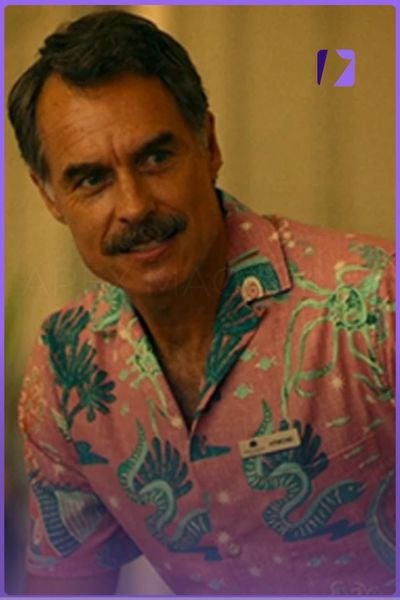
Murray Bartlett as Armond
Murray Bartlett plays Armond, the charismatic but increasingly unhinged resort manager of the first season. Armond is tasked with catering to wealthy, often demanding guests while balancing his own personal struggles. Bartlett’s performance blends charm and chaos, showcasing how privilege and entitlement can push even the most composed individuals to their limits. Armond’s spiral into destructive behavior serves as both comic relief and cautionary tale, highlighting the show’s darkly satirical lens on service and hospitality in elite environments.
Armond’s interactions with guests, staff, and his own conscience are central to the plot. From managing complaints to navigating morally complex decisions, he embodies the tension between professional responsibility and personal weakness. Bartlett’s nuanced portrayal allows audiences to empathize while also being repelled by Armond’s choices. His character’s trajectory underscores the show’s themes of human vulnerability, the corrupting influence of money, and the pressures of maintaining appearances in high-stakes social settings.

Connie Britton as Nicole Mossbacher
Connie Britton portrays Nicole Mossbacher, a high-powered CFO on vacation with her family. Nicole’s character navigates the intersection of professional ambition and personal relationships, often highlighting the disconnect between her work persona and family life. Britton delivers a grounded performance, portraying a woman juggling career demands while attempting to maintain family cohesion amidst humorous and tense scenarios. Nicole’s perspective provides commentary on wealth, parental responsibility, and societal expectations.
Throughout the season, Nicole’s interactions with her husband, children, and staff reveal her complexity. She balances empathy with assertiveness, often mediating conflicts while confronting her own insecurities. Britton’s subtle gestures and dialogue inflection capture the nuances of a character accustomed to control yet forced to navigate unpredictable situations. Nicole embodies the modern working parent, illustrating the challenges of power, privilege, and maintaining authenticity in high-pressure environments.
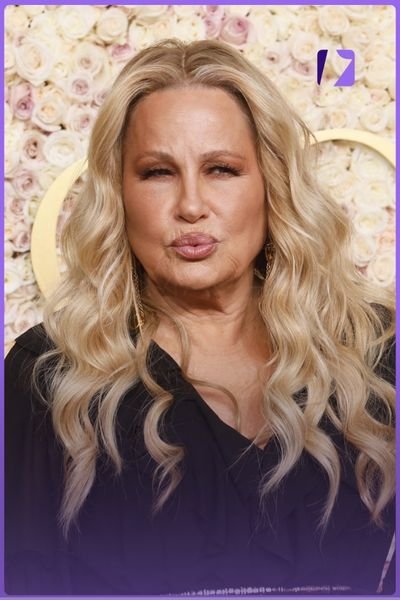
Jennifer Coolidge as Tanya McQuoid
Jennifer Coolidge brings Tanya McQuoid to life, a wealthy guest struggling with grief and self-identity. Tanya’s eccentric behavior, combined with her vulnerability, makes her a standout character. Coolidge portrays Tanya’s longing for connection, control, and self-affirmation with humor and sensitivity, turning potentially superficial traits into a poignant study of loneliness and desire.
Tanya’s storylines often intertwine with secondary characters, including spa manager Belinda, revealing societal commentary on transactional relationships, wealth, and dependency. Coolidge’s performance captures the oscillation between comedy and pathos, making Tanya both entertaining and empathetic. Her character highlights the emotional consequences of privilege and the human desire for acceptance, resonating with audiences through relatability beneath the surface extravagance.
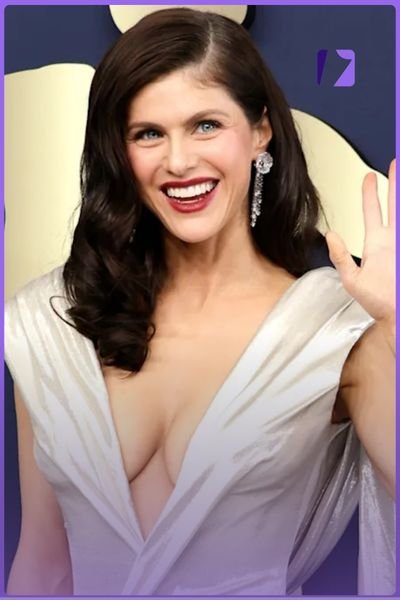
Alexandra Daddario as Rachel Patton
Alexandra Daddario plays Rachel Patton, a newlywed journalist navigating early marriage and professional aspirations. Rachel’s character explores themes of independence, ambition, and self-realization, particularly in the context of societal and spousal expectations. Daddario’s portrayal emphasizes Rachel’s vulnerability and determination, illustrating a character caught between love, personal goals, and social pressures.
Rachel’s interactions with her husband Shane reveal tensions common in modern marriages, including power dynamics and miscommunication. Her story offers both dramatic and comedic insight into generational expectations, gender roles, and career sacrifices. Daddario balances innocence and resilience, allowing Rachel to evolve from a naive bride to a woman grappling with the realities of partnership, personal agency, and self-worth.

Fred Hechinger as Quinn Mossbacher
Fred Hechinger portrays Quinn Mossbacher, the socially awkward teenage son of Nicole and Mark Mossbacher. Quinn provides a unique perspective on adolescence within an elite family, highlighting the awkwardness, insecurities, and curiosity typical of teenage years. Hechinger’s performance captures the struggle of growing up under the shadow of accomplished parents while trying to assert his individuality. The character reflects both humor and vulnerability, illustrating how privilege can complicate the process of self-discovery. Quinn’s social interactions often create moments of relatability for viewers, as he negotiates identity, peer pressure, and the challenges of navigating a world of wealth and expectation.
Quinn’s interactions with peers, adults, and his environment emphasize the tension between youthful curiosity and societal expectations. His awkwardness often contrasts with the confidence of adult characters, amplifying themes of generational disconnect and privilege. Hechinger masterfully conveys a blend of nervousness, wonder, and self-consciousness, giving Quinn a layered and authentic presence. Whether in casual conversations or pivotal scenes, Quinn embodies the emotional complexity of a teenager seeking belonging while grappling with family pressures and societal norms. His journey highlights the subtle struggles of adolescence in an overstructured and high-pressure social hierarchy, making him a standout character.

Steve Zahn as Mark Mossbacher
Steve Zahn plays Mark Mossbacher, the pragmatic but often insecure father of the Mossbacher family. Mark navigates middle-aged anxieties, professional frustrations, and parental responsibilities while living among privilege and wealth. Zahn portrays Mark with humor, sensitivity, and occasional arrogance, capturing the multidimensional nature of a man balancing family, career, and societal expectations. Mark’s character is both relatable and flawed, illustrating the tension between personal aspirations and family obligations. Through Zahn’s performance, audiences witness the struggles of masculinity, identity, and competence in affluent settings, offering both dramatic and comedic insight into the pressures of being a father in a high-stakes environment.
Mark’s relationships with his spouse and children drive much of the familial narrative tension and emotional depth of the series. His interactions reveal vulnerability beneath humor and ego, emphasizing the real struggles behind social appearances. Zahn balances these qualities, showing Mark as a father striving for connection, understanding, and approval. Scenes exploring Mark’s insecurities, frustrations, and attempts at parenting highlight the interplay between personal doubt and external pressures. His story arc reflects the challenges of maintaining family cohesion, navigating privilege, and reconciling self-image with societal expectations, making Mark a compelling and multi-layered character.

Brittany O’Grady as Paula
Brittany O’Grady portrays Paula, Olivia Mossbacher’s outspoken, socially conscious, and morally driven friend. Paula offers a grounded and critical perspective on wealth, power, and privilege, often challenging the assumptions of those around her. O’Grady brings wit, authenticity, and empathy to the role, ensuring that Paula’s voice resonates with both humor and intelligence. She balances moral conviction with the complexities of friendship, loyalty, and adolescent exploration. Through Paula, viewers see a character navigating social awareness while confronting systemic inequalities. Her presence underscores the show’s broader commentary on societal disparities, cultural identity, and the responsibilities of those who witness inequity firsthand.
Paula often serves as Olivia’s sounding board and partner in questioning authority, family norms, and privilege. Her dynamic with Olivia highlights themes of activism, ethical responsibility, and personal growth within a social elite environment. O’Grady’s performance emphasizes the tension between youthful idealism and the compromises inherent in real-world interactions. Through Paula, the narrative examines class consciousness, moral courage, and the challenges of maintaining authenticity in spaces dominated by wealth and entitlement. Her interactions demonstrate thought-provoking social commentary while remaining relatable and engaging, making Paula a vital character in the exploration of adolescence and societal critique.

Jake Lacy as Shane Patton
Jake Lacy portrays Shane Patton, Rachel’s newlywed husband, whose personality combines entitlement, impatience, and obsession with perfection. Shane exemplifies the pressures of wealth, social status, and marital expectations. Lacy skillfully balances comedy and drama, presenting Shane as both frustrating and captivating. His body language, timing, and expressions reveal a man who prioritizes appearances and external validation, often leading to awkward or tense situations. Shane’s obsession with the “perfect” experience reflects broader social commentary on privilege and obsession with status, while his interactions with others highlight insecurities masked by bravado. Lacy’s performance makes Shane memorable and multi-dimensional.
Shane’s interactions with hotel staff, fellow guests, and his bride further explore his controlling tendencies and need for recognition. Lacy emphasizes the contrast between Shane’s public composure and private vulnerabilities, highlighting human flaws beneath affluence. The character’s story demonstrates how pride, entitlement, and societal pressure affect marital relationships, personal growth, and ethical behavior. Shane’s narrative arc drives significant tension within the season, illustrating the consequences of obsession with perfection and social perception. Through humor, frustration, and drama, Lacy provides insight into the fragility of ego and the challenges of reconciling expectation with reality in elite social circles.
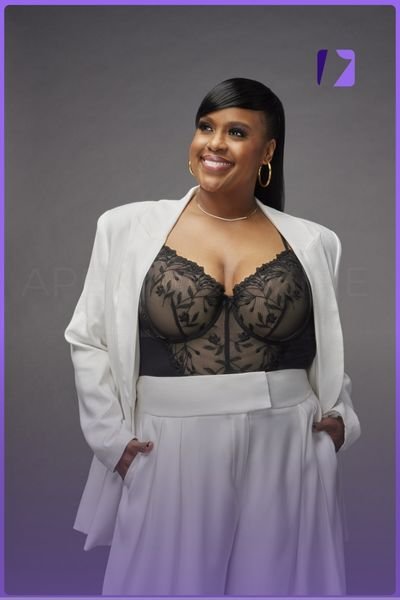
Natasha Rothwell as Belinda Lindsey
Natasha Rothwell plays Belinda Lindsey, the spa manager at the resort, who becomes a pivotal figure in Tanya McQuoid’s journey. Belinda embodies professionalism, empathy, and quiet assertiveness, skillfully balancing her career responsibilities with personal aspirations. Rothwell brings depth to the role, showing how emotional labor, social hierarchy, and personal boundaries intersect in service roles. Belinda’s presence highlights class dynamics, systemic inequality, and the moral challenges faced by employees serving wealthy clients. Rothwell’s portrayal communicates intelligence, warmth, and ethical tension, ensuring the character resonates beyond surface-level interactions and contributes significantly to the narrative complexity of the series.
Belinda’s subplot with Tanya explores power, ambition, and ethical decision-making in a luxury service environment. Rothwell conveys Belinda’s internal conflict as she navigates professional opportunity while maintaining personal dignity and integrity. The character reflects broader societal themes, including transactional relationships, the pursuit of recognition, and navigating privilege. Belinda’s interactions provide insight into how employees manage hierarchical pressures and personal ambitions while dealing with wealthy, entitled clients. Through Rothwell’s nuanced performance, viewers witness the challenges and aspirations of service professionals, making Belinda a compelling figure in the social commentary embedded in the series.

Sydney Sweeney as Olivia Mossbacher
Sydney Sweeney portrays Olivia Mossbacher, the intelligent, witty, and socially aware daughter of Nicole and Mark. Olivia provides a critical adolescent perspective on privilege, family dynamics, and social morality. Sweeney blends sarcasm, sharpness, and sensitivity, crafting a character who questions authority, challenges assumptions, and observes the flaws of the elite social world. Olivia’s character explores the moral complexities of wealth and upbringing, illustrating how awareness and curiosity shape adolescent identity. Sweeney’s performance ensures that Olivia is relatable, nuanced, and multi-dimensional, providing a strong voice among the younger characters while reflecting generational tensions in the family dynamic.
Olivia’s interactions with peers and adults highlight ethical reasoning, curiosity, and the impact of wealth on behavior and relationships. She often serves as a moral compass, questioning family decisions and societal norms, which contrasts sharply with the adults’ indulgences. Sweeney captures the balance between teenage audacity and reflective thought, portraying Olivia as perceptive and assertive without losing vulnerability. Through her sharp observations and candid dialogue, Olivia brings humor, tension, and depth to the series, offering viewers insight into how youth navigate privilege, family pressure, and emerging personal ethics within complex social settings.
Conclusion
The White Lotus stands out due to its intricately crafted characters and exceptional performances. Each actor contributes depth, humor, and realism, transforming the series into more than just satire or drama. By exploring the cast and their roles, viewers can better understand the show’s commentary on privilege, societal hierarchy, and human behavior. The nuanced portrayals allow audiences to connect with complex motivations, conflicts, and interpersonal dynamics, making each episode a study in character-driven storytelling. The ensemble’s collective talent ensures that both comedic and dramatic moments resonate authentically, creating a memorable and thought-provoking viewing experience.
The interplay between characters such as Armond’s unraveling under pressure, Shane’s obsession with perfection, or Olivia’s perceptive critiques creates rich tension and thematic depth. Their interactions highlight class, morality, and human folly within luxury settings, reinforcing the show’s social commentary. Understanding each character’s perspective enhances appreciation for the series’ multi-layered narrative and subtle critiques. This careful characterization makes The White Lotus not only entertaining but also intellectually engaging, offering viewers insights into privilege, identity, and interpersonal power dynamics across all seasons.
Frequently Asked Questions
Who plays Tanya McQuoid in The White Lotus?
Jennifer Coolidge portrays Tanya McQuoid, a wealthy, emotionally vulnerable guest seeking purpose.
What role does Sydney Sweeney play?
Sydney Sweeney plays Olivia Mossbacher, the socially conscious and sharp-tongued daughter in the Mossbacher family.
Is The White Lotus an anthology series?
Yes. Each season introduces new characters and settings while retaining thematic continuity.
Who is Murray Bartlett’s character?
Murray Bartlett plays Armond, the resort manager whose personal and professional life spirals into chaos.
Are the cast members involved in other notable projects?
Yes. Many actors, including Connie Britton, Jennifer Coolidge, and Alexandra Daddario, have extensive film and TV credits outside The White Lotus.
VISIT MORE: APEX MAGAZINE