
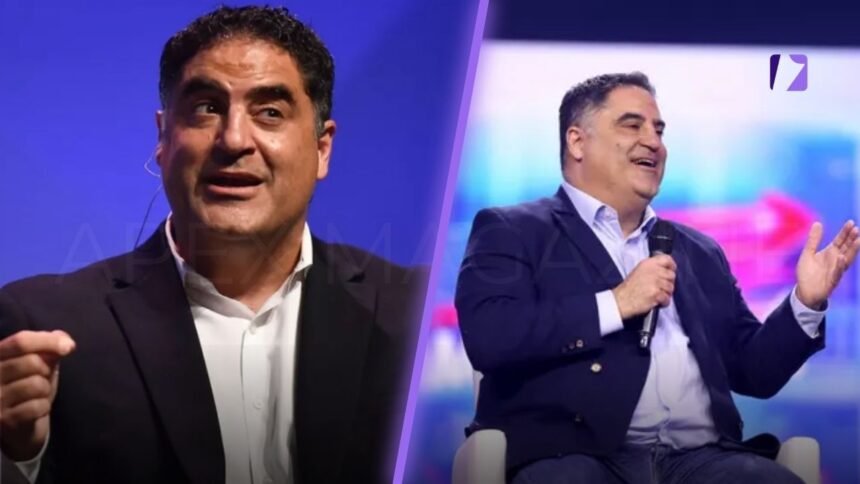
Cenk Uygur is a well‑known Turkish‑American media personality, political commentator, and founder of The Young Turks (TYT), one of the most watched online news and political commentary shows in the world. His outspoken style, progressive political stances, and digital influence have made him a central figure in American media, especially among younger, politically engaged audiences. Through TYT, Uygur has built a platform that blends news, opinion, and activism, resonating with millions of viewers searching for alternative perspectives outside mainstream outlets. This article explores his journey from immigrant beginnings to media leadership and public influence.
Uygur’s life story reflects a blend of cultural transition, educational achievement, legal training, and media entrepreneurship. Born in Turkey and raised in the United States, he developed an early interest in law and public discourse. Over time, his career evolved from practicing law to shaping public opinion through digital broadcasting and political commentary. This article will guide you through his personal background, professional milestones, controversies, and impact on modern media and politics, offering a comprehensive profile of one of the most influential voices in contemporary online news.
- Quick Bio Cenk Uygur
- Early Life and Family Background
- Education and Academic Achievements
- Legal Career Beginnings
- Entry Into Media and Journalism
- Founding of The Young Turks
- Growth and Impact of The Young Turks
- Controversies and Public Criticism
- Business Ventures and Net Worth
- Personal Life and Philanthropy
- Awards, Recognition, and Achievements
- Influence on Modern Media and Politics
- Future Plans and Projects
- Conclusion
- Frequently Asked Questions
Quick Bio Cenk Uygur
| Quick Bio | Details |
|---|---|
| Full Name | Cenk Kadir Uygur |
| Also Known As | Cenk Uygur |
| Date of Birth | March 21, 1970 |
| Age | 55 (as of 2026) |
| Birthplace | Istanbul, Turkey |
| Nationality | Turkish‑American |
| Education | BS in Management, Wharton School, University of Pennsylvania; JD, Columbia Law School |
| Occupation | Political commentator, media host, attorney, businessman |
| Known For | Founder & Host of The Young Turks (TYT) Network |
| Political Affiliation | Democratic Party (since 2007); formerly Independent & Republican |
| Spouse | Wendy Lang |
| Children | Two |
| Relatives | Hasan Piker (nephew) |
| Net Worth | Estimated around $5 million+ (varied sources) |
| Social Media – Twitter | @cenkuygur (800k+ Followers) |
| Social Media – Instagram | @cenkuygur |
| Social Media – Facebook | Cenk Uygur Official |
| Notable Works | The Young Turks, Justice Democrats (co‑founder) |
| Residence | Los Angeles, California, United States |

Early Life and Family Background
Cenk Uygur was born on March 21, 1970, in Istanbul, Turkey, into a secular Muslim family. When he was eight years old, his family moved to the United States, settling in East Brunswick, New Jersey, where his father worked in commercial real estate and business. Growing up in a multicultural environment, Uygur developed early curiosity about politics and public life, influenced by his family’s transition from Turkey to the U.S. This move exposed him to diverse viewpoints and helped shape his future ambitions in media and public discourse.
During his youth, Uygur faced the cultural challenge of balancing his Turkish roots with life in America. He attended East Brunswick High School, where he began to cultivate his voice and interest in public affairs. His experiences as an immigrant in a new country strengthened his understanding of identity, politics, and economic opportunity. These early formative years laid the foundation for a future career that blended his heritage with an American perspective on politics and media.
Education and Academic Achievements
After graduating from high school, Cenk Uygur pursued higher education at the Wharton School of the University of Pennsylvania, one of the most prestigious business schools in the U.S. There, he majored in management, learning essential principles of economics, finance, and organizational behavior. Wharton’s rigorous academic environment sharpened his analytical thinking, problem-solving, and leadership skills. Beyond the classroom, Uygur actively engaged in campus debates and student-led initiatives, which fueled his interest in civic engagement and political discourse. These early experiences laid a strong foundation for his career, emphasizing structured thinking, decision-making, and public communication skills that would later define his media persona.
Following Wharton, Uygur earned a Juris Doctor degree from Columbia Law School, equipping him with critical legal expertise. Law school refined his abilities in argumentation, research, and effective communication. He developed a deep understanding of constitutional law, corporate regulations, and public policy analysis. This knowledge became instrumental in his later media career, allowing him to break down complex political and legal topics for a broader audience. His combined education in business and law created a unique skill set, enabling him to navigate both corporate and media landscapes effectively, enhancing credibility and authority in his professional and public pursuits.
Legal Career Beginnings
After completing his JD at Columbia, Cenk Uygur began his legal career as an associate attorney in 1996, working in reputable law firms in Washington, D.C., and New York City. In this role, he gained hands-on experience in litigation, client advocacy, and legal research. Working on complex cases helped him develop precision in argumentation, analytical skills, and professional discipline. These early legal experiences also strengthened his confidence in public speaking and negotiation skills that would later benefit his media career. Uygur’s exposure to high-stakes legal work instilled a structured approach to problem-solving and a meticulous attention to detail.
Despite showing potential as a lawyer, Uygur gradually explored media opportunities, taking weekend slots as a radio talk show host. This early experimentation with broadcasting allowed him to apply his legal and analytical knowledge in a public forum, interpreting current events and political issues for listeners. These initial media engagements helped him refine his communication style, blending insight, wit, and clarity to engage audiences effectively. This transition from law to media marked a pivotal career shift, enabling Uygur to leverage his legal expertise while pursuing public influence and laying the foundation for his future success with The Young Turks.
Entry Into Media and Journalism
Cenk Uygur’s professional foray into media began in the late 1990s when he hosted local radio programs and wrote opinion columns for various outlets. These early roles allowed him to cultivate a strong public voice and credibility as a commentator. By connecting with audiences through both spoken and written formats, Uygur developed a signature style that combined sharp political critique with accessible language. His ability to analyze complex topics and present them in an engaging way helped him build a dedicated following. These experiences were crucial in establishing him as a credible figure in independent journalism and political commentary.
In 2002, Uygur took a major step by launching The Young Turks as a radio talk show on Sirius Satellite Radio. His goal was to create a progressive and independent platform that challenged conventional media narratives. Over time, the show transitioned to online streaming, where it quickly gained traction among digital audiences. This move to online media allowed Uygur to reach a global audience and pioneer one of the first daily news commentary programs fully dedicated to internet-based broadcasting. His early commitment to alternative media set the stage for TYT’s long-term growth and influence in the digital news industry.
Founding of The Young Turks

In 2002, Cenk Uygur founded The Young Turks (TYT) with a clear mission: to provide a progressive, populist, and independent voice in a media landscape dominated by traditional outlets. Originally broadcast on Sirius Satellite Radio, the program focused on political analysis, investigative commentary, and critical perspectives often overlooked by mainstream media. Uygur’s vision aimed to engage younger, tech-savvy audiences hungry for honest, unfiltered news. By challenging conventional narratives, TYT positioned itself as a unique platform for political and cultural discussion, establishing credibility among viewers seeking alternative viewpoints and fresh approaches to news coverage in the digital era.
As TYT gained popularity, Uygur and his co-hosts expanded its scope to cover culture, lifestyle, and social issues, in addition to politics. This broader content strategy attracted diverse audiences and emphasized the network’s commitment to comprehensive commentary. Early success demonstrated the growing appetite for independent media outside conventional television and print news. By blending hard-hitting political insights with accessible storytelling, Uygur laid the groundwork for TYT to evolve into a multi-channel digital network with global influence, cementing its role as a leader in online progressive journalism and shaping the future of independent media.
Growth and Impact of The Young Turks
TYT’s shift from radio to online video in 2005 marked a major milestone, allowing the show to reach viewers worldwide through platforms like YouTube and live streaming services. This move capitalized on the rising popularity of digital media, offering immediate access to commentary and news updates. Millions of monthly viewers were drawn to TYT’s blend of progressive analysis, interviews, and audience engagement. The network quickly amassed billions of views, creating a loyal online community. Its innovative approach demonstrated how digital-first platforms could rival traditional television news in reach, influence, and viewer engagement, particularly among younger demographics seeking alternative perspectives.
Beyond audience growth, TYT significantly influenced political discourse in the U.S. and internationally. The network’s unapologetically progressive commentary shaped debates around elections, policy, and civic engagement, particularly among millennials and Gen Z voters. TYT became known for its in-depth analysis, fact-based reporting, and provocative discussions, setting a standard for online news outlets. By proving that digital platforms could rival mainstream networks, Uygur established TYT as a model for independent journalism, inspiring similar ventures and demonstrating the power of audience-driven media in shaping political narratives and cultural conversations in the modern era.
Controversies and Public Criticism
Cenk Uygur’s career has faced significant public scrutiny, particularly over early writings and blog posts from the 2000s, which included statements later criticized as sexist or insensitive. These resurfaced during his rise to prominence, sparking debate and criticism. Uygur publicly acknowledged these past statements, offering apologies and emphasizing personal growth and changed perspectives. While these controversies challenged his credibility, he continued to focus on progressive media work, highlighting accountability and evolution as central to his public persona. The episodes underscore the importance of transparency and reflection in maintaining long-term professional integrity in the public eye.
In addition to personal controversies, critics have questioned the TYT brand name, referencing historical connections to the Young Turks movement associated with the Ottoman Empire’s tragic events. While the network maintains that its name represents youthful activism and independent thinking, historical critiques have prompted public discussions on branding and context. Despite such criticism, Uygur and his team emphasize TYT’s commitment to progressive critique, civic engagement, and free expression. These challenges reflect the complex nature of public-facing media enterprises, where branding, history, and audience perception intersect, requiring careful navigation to maintain credibility and mission alignment.
Business Ventures and Net Worth
Cenk Uygur expanded his influence beyond commentary by building a scalable digital media company. As founder of The Young Turks, he developed a revenue model that blends advertising, memberships, sponsorships, and live programming. This diversified structure helped stabilize income while keeping editorial independence central to the brand. The network leveraged YouTube growth, podcasting, and subscription platforms to create predictable cash flow. Uygur focused on direct audience support, which strengthened loyalty and reduced reliance on traditional investors. His strategy reflects the evolution of digital journalism into a creator-driven economy. By combining consistent publishing with platform innovation, he positioned TYT as both a media voice and a profitable enterprise in competitive online news markets.
Estimates place Cenk Uygur’s net worth between $5 million and $10 million. These figures reflect revenue from TYT, speaking engagements, book sales, and digital monetization. While exact numbers vary, analysts credit his long-term content strategy for steady financial growth. Unlike legacy television anchors, Uygur built wealth primarily through independent streaming platforms. His entrepreneurial success highlights the earning potential of modern political commentary. The growth of subscription news models also contributed to his income stability. Over time, strategic reinvestment into production quality and talent expansion strengthened TYT’s brand equity. His financial standing demonstrates how digital media leadership can translate into sustainable personal and corporate success.
Personal Life and Philanthropy
Cenk Uygur married Wendy Lang in 2008, and the couple shares two children. Despite his outspoken public persona, Uygur keeps his family life largely private. He rarely shares detailed information about his children, choosing instead to protect their privacy from media exposure. This balance between public activism and personal boundaries reflects his awareness of digital scrutiny. While his career centers on bold commentary, his approach to family life remains measured and grounded. He often credits personal experiences for shaping his political values. Maintaining privacy has allowed him to separate professional debate from domestic stability, ensuring that public controversies do not overshadow family priorities.
Beyond media, Uygur actively supports civic engagement initiatives and reform movements. He co-founded Justice Democrats to promote progressive candidates in American politics. This effort demonstrated his commitment to translating commentary into tangible political action. Through fundraising campaigns and advocacy, he encouraged grassroots participation in elections. His activism aligns with themes frequently discussed on TYT, including campaign finance reform and social justice. While critics debate his political influence, supporters view his efforts as a bridge between media and mobilization. His philanthropic and political initiatives highlight a broader mission that extends beyond broadcasting into real-world civic involvement.
Awards, Recognition, and Achievements
Under Uygur’s leadership, The Young Turks earned recognition in digital journalism circles. The network received honors such as the Webby Awards and the Shorty Awards for excellence in online news and commentary. These awards reflect TYT’s innovative approach to streaming political content. Industry observers credit the network’s consistent publishing model and audience engagement for its competitive edge. Recognition from digital media institutions validated TYT’s impact during the rise of online broadcasting. Such accolades also signaled that independent news platforms could compete with established television networks in credibility and reach.
Individually, Cenk Uygur has appeared on influential media lists highlighting digital news figures. Platforms such as Mediaite have acknowledged his influence in shaping political commentary online. These recognitions emphasize his role as an early adopter of YouTube-based journalism. While he remains a polarizing figure, his visibility in media rankings demonstrates sustained relevance. Awards and industry mentions strengthened his professional profile and expanded networking opportunities. Over time, his achievements have reinforced the legitimacy of independent digital commentary. His career trajectory illustrates how persistence and innovation can earn institutional recognition in a rapidly evolving media environment.
Influence on Modern Media and Politics
Cenk Uygur influenced modern journalism by embracing digital platforms before many traditional networks adapted. His early investment in YouTube streaming allowed The Young Turks to build a direct relationship with viewers. This model prioritized interactive engagement over one-way broadcasting. By encouraging live chats and audience feedback, TYT cultivated a participatory news culture. Uygur’s approach demonstrated that independent creators could shape national conversations. His strategy challenged legacy gatekeepers and proved that digital distribution could rival cable television reach. As online consumption grew, his influence expanded across demographics seeking alternative political perspectives.
Politically, his commentary resonated strongly with progressive audiences. Through advocacy and public debates, he amplified discussions about campaign reform and accountability. His media presence supported grassroots organizing and increased youth engagement in elections. Critics argue that his tone can polarize debate, yet supporters credit him with energizing civic participation. By blending journalism with activism, he created a hybrid platform that influences both opinion and action. His work inspired new commentators to launch independent channels. As digital ecosystems evolve, Uygur’s early adoption strategy remains a case study in how media entrepreneurs reshape political discourse.
Future Plans and Projects
Looking ahead, Cenk Uygur continues to explore expansion opportunities for The Young Turks. Emerging technologies such as enhanced live streaming and subscription ecosystems may strengthen audience loyalty. By adapting to shifting algorithms and viewing habits, TYT can sustain growth in competitive digital markets. Uygur has emphasized innovation as a long-term priority. Expanding international reach and multilingual content could open additional markets. As independent media evolves, his willingness to experiment with format and distribution will likely shape upcoming projects. Strategic partnerships and collaborative ventures may further amplify the network’s global presence.
Beyond broadcasting, Uygur remains active in political dialogue and public speaking. Future initiatives may include expanded advocacy campaigns and new media collaborations. His experience as both commentator and organizer positions him uniquely within digital politics. Observers anticipate that he will continue blending journalism with activism. This dual focus allows him to influence public debate beyond traditional reporting. Whether through podcasts, streaming platforms, or political organizing, his next phase will likely reflect the same entrepreneurial drive that built TYT. As media consumption habits change, Uygur’s adaptability will determine his continued relevance in an increasingly fragmented information landscape.
Conclusion
Cenk Uygur’s journey from law graduate to digital media pioneer reflects the transformative power of online journalism. Through The Young Turks, he reshaped how political commentary reaches audiences worldwide. His blend of entrepreneurship, activism, and digital strategy built a sustainable media brand. While controversies marked parts of his career, his influence on progressive broadcasting remains substantial. He demonstrated that independent creators can compete with established networks. By prioritizing direct engagement and consistent output, he built lasting relevance in a crowded field.
His legacy lies in proving that digital platforms can democratize political discourse. From business growth to civic activism, his career spans media innovation and public engagement. Supporters view him as a voice for reform, while critics challenge aspects of his rhetoric. Regardless of perspective, his role in shaping online news culture is undeniable. As digital journalism continues to evolve, his work offers insight into its future direction. Cenk Uygur’s story illustrates how vision, adaptability, and persistence can redefine modern media and political commentary.
Frequently Asked Questions
What is Cenk Uygur best known for?
Cenk Uygur is best known as the founder and host of The Young Turks, a leading progressive online news and commentary show with millions of viewers worldwide.
Where was Cenk Uygur born?
He was born in Istanbul, Turkey, and moved to the United States with his family when he was eight years old.
What did Cenk Uygur study in school?
Uygur studied management at the Wharton School and earned a Juris Doctor degree from Columbia Law School, blending business and legal education early in his career.
How much is Cenk Uygur’s net worth?
Estimates place his net worth between $5 million and $10 million, earned through media ventures, hosting, appearances, and digital revenue.
Has Cenk Uygur faced any controversies?
Yes, Uygur has faced controversies related to past writings and the name of his media brand, leading to public criticism and apologies.
VISIT MORE: APEX MAGAZINE