
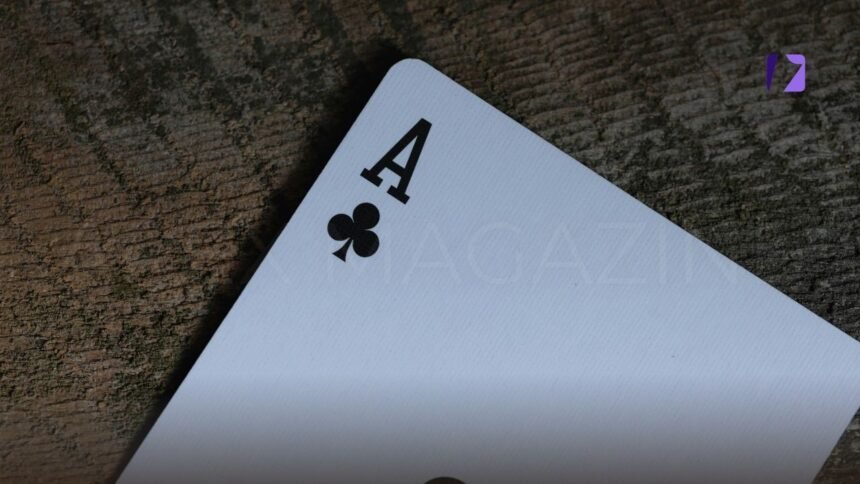
Few games have captured the imagination of the modern world quite like poker. What began as a game cultivated in the dimly lit backrooms of saloons has exploded into a global phenomenon, streamed to millions and debated in think-pieces. Poker’s enduring appeal lies not just in the luck of the draw but in the powerful combination of skill, psychological mastery, and the art of calculated risk-taking. In many ways, the world’s obsession with poker provides a mirror to society’s deeper interests and values in the 21st century.
Contemporary society finds itself irresistibly drawn to strategic pursuits where intellect can tip the scales. Poker is more than a game of chance; it embodies the complex intersection of patience, strategy, and human insight. Unlike games determined solely by luck, poker rewards careful calculation and insightful perception of opponents. In an era marked by rapid change, risk, and the need to adapt, poker’s nuanced complexity mirrors the day-to-day challenges people face both professionally and personally.
The rise of skill-based gaming in a digital world
The digital age has brought with it a renaissance in games that foreground skill over sheer luck. From eSports tournaments to sophisticated board games, people crave challenges where thoughtful choices influence the outcome. Poker sits firmly within this trend, gaining a resurgence as more players embrace platforms that allow them to test themselves against a global field. The accessibility of online poker has transformed the way people approach the game, allowing amateurs and professionals alike to sharpen their skills in real time.
Interactive platforms have also made it easier to track and analyze one’s play, turning poker into more of a science. Technologies deliver data that help players refine their technique, teaching them not just the mathematics of probability but also the subtle psychological nuances involved. These advances highlight society’s increasing reliance on data-driven decision-making, a feature observable far beyond the poker table in finance, business, and many facets of daily life.
The psychological landscape: reading, bluffing and adapting
Poker is often dubbed a battle of wits, requiring players to delve deep into psychological analysis. It’s a game where studying the behavior of opponents, their tells, betting patterns, and reactions, can reveal information crucial for making winning decisions. This intense focus on psychology resonates with a society increasingly interested in emotional intelligence, empathy, and the intricacies of human behavior. The mind games inherent in poker, where bluffing and reading one’s adversaries can be as important as the cards themselves, encourage a type of strategic thinking valued in modern workplaces and negotiations.
Furthermore, the concept of adapting on the fly is fundamental in poker. No two hands are the same, and flexibility is key. Players learn to anticipate, pivot, and recover: skills mirrored in contemporary business or personal endeavors. The poker table becomes a training ground for resilience and quick thinking, reflecting the expectations placed on individuals in today’s fast-paced, competitive environment.
Calculated risk and modern decision-making
Risk has always played a central role in poker, but unlike pure gambles, successful players embrace only those risks that are calculated and justified. This risk-taking embodies a mindset familiar to entrepreneurs, investors and leaders who must routinely weigh potential gains against possible losses. The ability to discern which risks are worth taking sets winners apart from the rest, both in poker and in life. It’s a lesson that resonates with many navigating complex decisions with uncertain outcomes in their own lives.
Choosing when to go all-in, when to fold, or when to simply observe echoes the strategic choices made in myriad professions. Poker thus offers a practical model for risk assessment that society finds increasingly relevant, particularly as people realize that the biggest rewards often require the willingness to act boldly: based on solid reasoning, not reckless impulse.
Poker culture and its influence on modern values
The growing popularity of poker tournaments, celebrity involvement and mainstream media coverage points to a larger cultural fascination. Poker is no longer a niche activity but a symbol of daring intellect, adaptability, and psychological resilience. Discussions about famous hands and strategies reach far beyond the felt, influencing workplace jargon and the language of everyday problem solving. The lessons learned at the poker table, about reading situations, taking measured risks, and mastering one’s emotions, find wide application in contemporary life.
Ultimately, poker illustrates how a simple game can encapsulate the complex interplay of skill, psychology, and calculated risk that defines the spirit of modern society. Its continued relevance and growing appeal serve as a testament to our collective desire to outwit chance, master our own destinies, and push the boundaries of what skill can achieve in an uncertain world.
Conclusion
Beyond a simple card game, becoming a reflection of many values that shape modern society. The combination of strategy, psychology, and data-driven decision-making demonstrates why poker continues to attract both casual players and serious competitors. As technology improves the ability to analyze gameplay and understand probabilities, players can refine their strategies with greater precision than ever before. This shift highlights how analytical thinking and informed decision-making have become essential skills, not only in games but also in everyday professional and personal situations.
At the same time, the psychological elements of poker—such as reading opponents, controlling emotions, and adapting strategies mirror challenges people face in business, leadership, and negotiation. The game teaches patience, discipline, and calculated risk-taking, qualities that are increasingly valued in a fast-changing world. Ultimately, poker represents more than entertainment; it offers a practical model for strategic thinking, resilience, and smart decision-making in an unpredictable environment.
Frequently Asked Questions
What skills does poker help develop?
Poker helps develop several important skills, including strategic thinking, probability analysis, emotional control, and psychological awareness. Players must constantly evaluate risk, interpret opponents’ behavior, and adjust their strategies in response to changing circumstances.
Why is psychology important in poker?
Psychology plays a crucial role in poker because players often rely on reading opponents’ behavior, betting patterns, and reactions. Understanding these psychological cues can provide valuable information that influences decision-making during the game.
How has technology changed the way people play poker?
Technology has transformed poker by introducing digital platforms, tracking tools, and statistical analysis software. These tools allow players to study their gameplay, analyze patterns, and improve strategies using data-driven insights.
What does poker teach about risk management?
Poker teaches players to evaluate risks carefully before making decisions. Successful players avoid reckless choices and instead focus on calculated risks based on probabilities, available information, and strategic timing.
VISIT MORE: APEX MAGAZINE