
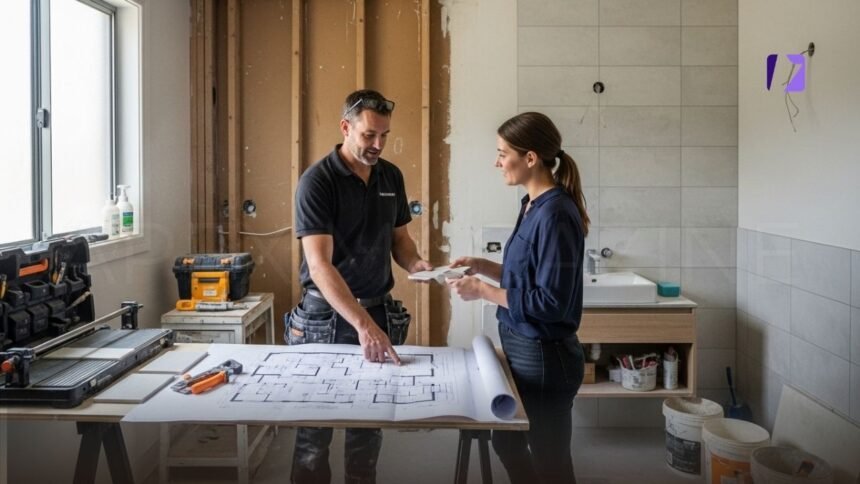
Transforming a bathroom is one of the most rewarding home improvements homeowners can undertake. It not only enhances daily comfort but also significantly boosts property value while allowing the creation of a space that truly reflects your style and personality. However, a successful bathroom renovation requires careful planning, clear goals, and realistic expectations. Understanding the practical, financial, and design considerations is crucial before starting a complete bathroom upgrade. By addressing these factors in advance, you reduce risks, avoid costly mistakes, and ensure the finished bathroom combines aesthetics, functionality, and durability.
Define Your Goals and Priorities
Every renovation should begin with a clear and well-defined purpose. Are you aiming to replace outdated fixtures, improve daily functionality, expand storage options, or create a spa-like retreat for relaxation? A complete bathroom renovation often involves both aesthetic updates and structural or plumbing changes. Knowing your priorities guides decisions about layout, material selection, and overall budget. By clearly identifying your goals, you can focus resources on elements that matter most. This approach ensures that every choice, from flooring to lighting, contributes to a cohesive, functional, and visually appealing bathroom that meets your family’s daily needs.
Set a Realistic Budget
Budget planning is one of the most important steps before committing to a complete bathroom renovation. Costs vary depending on the size of the bathroom, the quality of materials, and whether plumbing or electrical systems require updates or repairs. It is essential to allocate funds for key areas such as fixtures, tiling, cabinetry, lighting, and skilled labor. Setting aside a contingency fund of around 10–15% allows coverage for unexpected issues such as hidden water damage, outdated wiring, or structural complications. Effective financial planning reduces stress, keeps the project on track, and ensures high-priority features receive the investment they deserve.
Plan the Layout Carefully
Layout decisions directly affect both the functionality and overall cost of a bathroom renovation. Relocating plumbing fixtures such as toilets, showers, or bathtubs can dramatically increase expenses. Maintaining the current layout is often more cost-effective if it already functions well. Consider flow and spacing carefully to ensure enough room for comfortable movement between fixtures. Adequate circulation prevents overcrowding and improves usability. Storage should be incorporated into the design rather than treated as an afterthought. Wall-mounted cabinets, recessed shelving, and vanities with multiple drawers are effective solutions that maximize space, keep the room organized, and maintain an uncluttered, practical, and visually appealing environment.
Choose Durable and Practical Materials
Bathrooms are constantly exposed to moisture, heat, and temperature fluctuations, making material selection essential for long-term durability. Choose water-resistant tiles that are slip-proof and easy to clean, and select countertops that can withstand humidity and frequent use. Paint should be specifically designed for bathrooms to prevent peeling, mold growth, and water damage. While aesthetics are important, functionality and longevity should take priority. Investing in high-quality, durable materials ensures your bathroom maintains its beauty and usability over time. Selecting practical finishes protects your investment, avoids frequent replacements, and allows the space to remain both visually appealing and functional for years to come.
Focus on Proper Waterproofing and Ventilation
Proper waterproofing is critical to a bathroom’s long-term performance. Inadequate sealing or poorly installed membranes can result in leaks, structural damage, and costly repairs. Professional installation ensures that wet areas are fully protected and compliant with safety standards. Ventilation is equally essential, as an effective exhaust system helps control humidity, reduce condensation, and maintain healthy indoor air quality. Adequate airflow prevents mold, mildew, and moisture-related damage while protecting finishes and fixtures. Combining excellent waterproofing with sufficient ventilation safeguards both the investment and the health of occupants, ensuring the bathroom remains a comfortable, safe, and long-lasting environment.
Work with Experienced Professionals
While minor updates may be suitable for DIY projects, a complete bathroom renovation requires skilled professionals for a high-quality result. Plumbers, electricians, tilers, and builders must coordinate effectively to ensure all systems meet safety codes and function seamlessly. Hiring experienced contractors guarantees that complex installations, including plumbing and electrical work, are performed correctly. Clear communication between homeowners and professionals is essential for timelines, budgets, and design expectations. Detailed contracts and written specifications help avoid misunderstandings. By relying on experts, you gain peace of mind, reduce the risk of costly errors, and ensure the renovation produces a safe, functional, and aesthetically pleasing bathroom that meets both daily needs and long-term goals.
Conclusion
A complete bathroom renovation is a significant investment, but with proper planning, it can transform your home into a functional and beautiful retreat. Define your goals, set a realistic budget, plan layouts thoughtfully, choose durable materials, and ensure waterproofing and ventilation are top priorities. Working with skilled professionals ensures all technical and design aspects are completed to the highest standards. By following these essential steps, homeowners can create a bathroom that not only enhances daily life but also increases property value, combines practicality with style, and stands the test of time, making the renovation a worthwhile and rewarding endeavor.
VISIT MORE: APEX MAGAZINE