
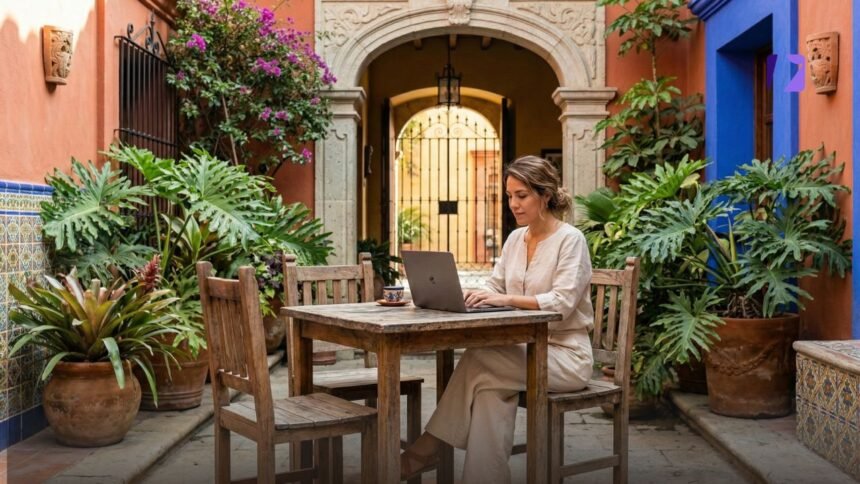
Imagine trading your fluorescent-lit home office for a workspace where the background noise is the rhythmic crashing of waves against the Caribbean shore. For many professionals, the dream of working remotely from Mexico is becoming a tangible reality, driven by the country’s vibrant culture, affordable cost of living, and reliable infrastructure. However, moving your laptop to a beachside palapa requires more than just a plane ticket; it demands a clear understanding of the legal frameworks that permit long-term stays. While Mexico does not officially label its program a “digital nomad visa,” the country offers a robust legal pathway known as the Temporary Resident Visa, designed for financially solvent individuals wishing to reside in Mexico while earning foreign income.
What Is The Temporary Resident Visa For Remote Workers?
The Temporary Resident Visa is the primary immigration instrument for remote workers wishing to stay in Mexico for longer than the standard 180-day tourist allowance. Unlike a simple tourist permit, this visa grants you legal residency status for an initial period of one year, which can be renewed for up to four years in total. It is specifically tailored for individuals who can demonstrate financial independence and do not intend to seek employment with Mexican companies.
- What Is The Temporary Resident Visa For Remote Workers?
- What Are The Financial Requirements For The Visa?
- Key Benefits Of Legal Residency For Remote Workers
- How Does The Visa Application Process Work?
- Completing The Residency Card Process In Mexico
- How Can You Stay Connected While Working From Mexican Beaches?
- What Is The Most Convenient Mobile Solution For Global Nomads?
- Which Mexican Beach Destinations Are Best For Remote Work?
- Conclusion
- Frequently Asked Questions
Crucially, this visa allows you to continue working for your foreign employer or clients, exempting your foreign-sourced income from local Mexican income taxes. This legal structure provides peace of mind, allowing you to:
- Open local bank accounts
- Purchase vehicles
- Enter or exit the country without restriction
What Are The Financial Requirements For The Visa?
To qualify for temporary residency, the Mexican government requires concrete proof of economic solvency to ensure you can support yourself without becoming a burden on the state. These financial thresholds can vary slightly depending on the specific consulate where you apply and the current exchange rates. Generally, applicants must demonstrate stability through either monthly income or a substantial savings balance. Meeting these requirements is the single most critical step in the application process, and having your financial documentation meticulously organized is essential for a successful outcome.

Is Monthly Income Proof Sufficient?
For most remote workers, proving a steady monthly income is the most straightforward route to approval. Consulates typically look for a monthly income ranging between USD 2,600 and USD 3,700 over the past six months. This income must originate from outside Mexico, usually verified through:
- Bank statements
- Pay stubs
- A letter from your employer
Some sources indicate an annual income requirement of approximately USD 19,440, but it is always safer to aim for the higher end of the monthly spectrum to ensure eligibility. If you are bringing dependents, be prepared to show an additional income amount, often around USD 1,400 per dependent, to cover their living expenses.
Can You Qualify Through Savings or Property?
If your monthly income fluctuates, such as with freelance work, you may prefer to qualify using your savings or investments. The government generally accepts a bank balance maintaining an average of approximately USD 43,000 to USD 73,000 over the past 12 months.
Alternatively, owning real estate in Mexico can also serve as proof of economic solvency. If you possess property in the country valued at roughly USD 346,000 or more, this asset can make you eligible for the Temporary Resident Visa. These alternatives provide flexibility for retirees or entrepreneurs who may have significant assets but irregular monthly cash flow.
Key Benefits Of Legal Residency For Remote Workers
Legal residency provides advantages far beyond simply extending your stay. Once approved, you can open local bank accounts, purchase vehicles, sign long-term rental contracts, and move freely in and out of Mexico without restarting your status. These privileges make everyday life significantly easier.
Remote professionals also gain peace of mind. Instead of worrying about overstaying tourist limits, you operate within a recognized legal framework. This stability supports long-term housing plans, school enrollment for dependents, and even future residency upgrades if you decide to remain in Mexico permanently.
How Does The Visa Application Process Work?
The application process is distinct because it cannot be initiated from within Mexico if you entered as a tourist; you must apply at a Mexican consulate outside the country.
- Schedule an appointment and submit your application form, passport, photos, and financial proof.
- Attend a consular interview and pay a fee of approximately USD 48 to USD 50 to receive a visa sticker in your passport.
- Enter Mexico within the specific timeframe granted upon approval.
- Visit the National Migration Institute (INM) within 30 days of arrival to initiate the “canje” process to exchange your visa sticker for a physical residency card.
Completing The Residency Card Process In Mexico
After receiving the visa sticker, you must enter Mexico within the timeframe granted by the consulate. Once you arrive, the process continues. Within 30 days, visit the National Migration Institute (INM) to complete the “canje” procedure.
During this step, officials exchange your visa sticker for a physical residency card. This card serves as your official identification in Mexico. Completing this process promptly ensures uninterrupted legal status and allows you to enjoy full resident privileges.
How Can You Stay Connected While Working From Mexican Beaches?
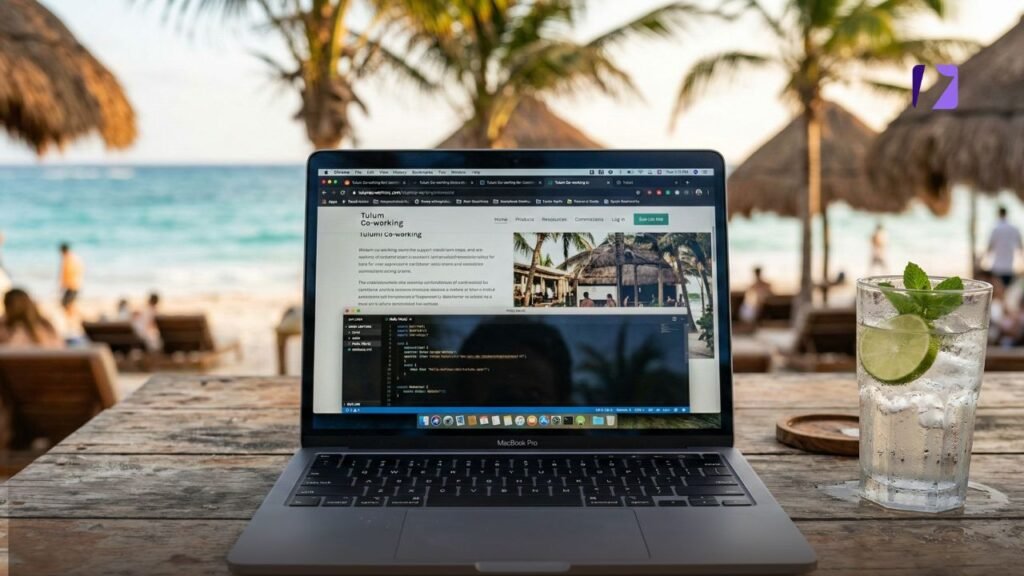
While popular hubs like Playa del Carmen and Oaxaca generally offer reliable Wi-Fi with speeds averaging around 35 Mbps, digital nomads know that redundancy is key to professional survival. Relying solely on hotel or cafe networks can be risky, especially during power outages or peak usage times. Therefore, having a dedicated mobile data solution is non-negotiable for maintaining communication with your team.
Many travelers are now opting for a digital approach, securing an eSIM data plan for Mexico before they even land. This technology allows you to instantly connect to local networks without hunting for a physical SIM card vendor or pay exorbitant roaming charges to your home carrier.
What Is The Most Convenient Mobile Solution For Global Nomads?
For professionals who frequently move between countries, swapping plastic cards is becoming obsolete. The most convenient solution lies in using a provider that specializes in seamless international connectivity. Services like AmigoSIM offer a streamlined experience where you can manage your data needs through a simple app or QR code.
By utilizing a service like Amigo eSIM, travelers ensure they have immediate internet access upon arrival, leveraging the strongest local signals for video calls and large file transfers. This level of connectivity ensures that your office truly can be anywhere, from a bustling city center to a quiet stretch of sand.
Which Mexican Beach Destinations Are Best For Remote Work?
Choosing the right base is essential for balancing productivity with the lifestyle perks of living in Mexico. Playa del Carmen remains a top choice due to its established community of remote workers, walkable layout, and many coworking spaces. For those on the Pacific coast, Puerto Vallarta offers a blend of resort amenities and authentic Mexican town life with excellent connectivity.
Meanwhile, locations like Tulum attract those looking for a more bohemian vibe, though the cost of living there is significantly higher. Regardless of the specific destination, the key is to find a location that offers the infrastructure you need to work effectively while allowing you to enjoy the vibrant culture and natural beauty that drew you to Mexico in the first place.
Conclusion
Working remotely from Mexico offers a compelling blend of professional freedom and cultural richness. The Temporary Resident Visa provides a structured legal pathway for financially independent individuals seeking extended stays. By understanding financial requirements, completing the application process correctly, and planning for connectivity and healthcare, remote professionals can build a stable and fulfilling life abroad.
Mexico’s diverse destinations, affordable lifestyle, and growing digital infrastructure make it one of the most practical options for long-term remote work. With proper preparation, your office truly can sit just steps from the shoreline.
Frequently Asked Questions
Does Mexico Have An Official Digital Nomad Visa?
Mexico does not officially label its program as a digital nomad visa. Instead, remote workers apply for the Temporary Resident Visa, which allows legal residency while earning foreign income.
How Long Can I Stay In Mexico With A Temporary Resident Visa?
The visa initially grants one year of residency. You can renew it annually for up to four years in total.
Do I Pay Mexican Taxes On Foreign Income?
In most cases, foreign-sourced income remains exempt from Mexican income tax. However, you should consult a qualified tax advisor for personalized guidance.
Can I Apply For The Visa From Inside Mexico?
No. You must begin the application process at a Mexican consulate outside Mexico before entering the country as a resident.
What Is The Best City In Mexico For Remote Work?
Popular options include Playa del Carmen, Puerto Vallarta, and Tulum. The best choice depends on your budget, preferred lifestyle, and infrastructure needs.
VISIT MORE: APEX MAGAZINE