
High-value equipment serves as the operational foundation for sectors such as global broadcasting, medical imaging, and high-performance motorsport. As international logistics networks become increasingly dense, the physical hazards facing these assets grow in frequency and intensity. For the modern enterprise, standard off-the-shelf packaging solutions frequently fail to offer.
The structural security required for sensitive electronics and precision mechanical instruments. Adopting a specialized approach to equipment transit is a strategic necessity to maintain operational continuity and protect capital investments.
The Financial Impact of Transit Damage
The economic consequences of equipment failure during transport go far beyond the cost of a replacement part. While a cracked external chassis is a visible problem, internal shifting of optical alignments or microfractures in circuit boards pose a more insidious threat. According to a 2025 industry report, specialized electronics experience damage rates of 3% to 7% during standard freight handling due to their extreme sensitivity to shock and static discharge.
Beyond immediate repair invoices, organizations face secondary impacts, such as project delays and contractual penalties. When a critical component arrives at a remote project site non-functional, the cost of downtime often exceeds the original purchase price of the gear. For companies operating in premium markets, the consistent reliability of their tools constitutes a core element of their brand reputation.
Limitations of Standardized Containers
Mass-produced plastic bins or fabric bags lack the longitudinal strength to withstand the vertical pressures of international air freight. Modern transit involves numerous contact points, ranging from automated high-speed sorting belts to manual handling by various ground crews. Every transition between vehicles or warehouses represents a point of potential structural failure.
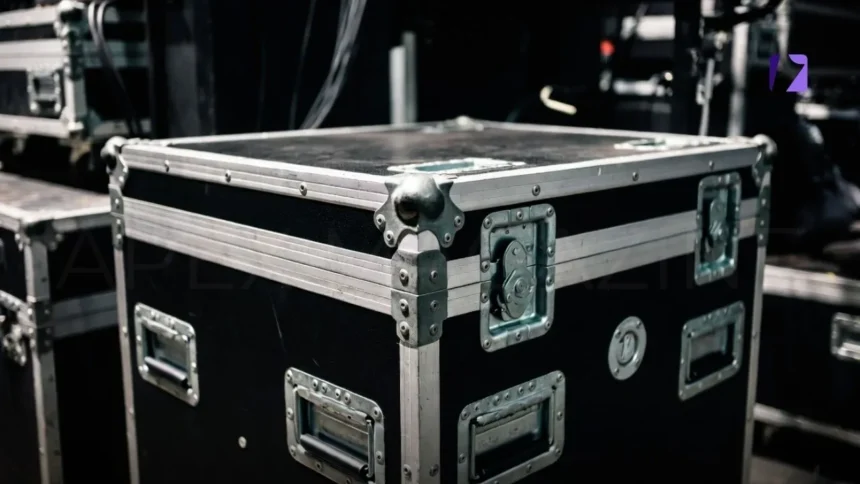
A professional flight case functions as a hardened exoskeleton that absorbs and redirects kinetic energy before it reaches the internal payload. These containers utilize high-grade birch plywood or lightweight honeycomb plastics, reinforced with aluminum extrusions and steel ball corners. This specific construction ensures the container remains structurally sound even after repeated high-velocity impacts or under the weight of heavy stacking in a cargo hold.
Engineering the Internal Environment
The exterior of a case provides the primary defense against punctures, while the internal architecture maintains the equipment’s functional integrity. Using CNC precision, engineers create high-density foam inserts that distribute the item’s weight across its most durable surfaces. This engineering prevents point loading, a phenomenon in which a single delicate part of the equipment absorbs the full force of a drop.
For sophisticated gear, environmental stability is a critical requirement. Many specialized containers incorporate advanced features to mitigate external variables:
- Pressure Equalization Systems: These mechanisms prevent the container from becoming vacuum-sealed or expanding due to rapid atmospheric pressure changes in aircraft cargo bays.
- Environmental Gaskets: Airtight seals protect against humidity, fine dust, and water ingress, which is essential for operations in coastal or desert environments.
- Vibration Isolation: Internal shock-mount rack systems decouple sensitive servers and signal processors from the high-frequency vibrations common in long-haul trucking and aviation.
Strategic Advantages for Professional Operations
Operational speed in the field is dictated by how efficiently a team can deploy and retract their equipment. A well-organized transport solution functions as a mobile workstation rather than just a box. When every cable, sensor, and peripheral has a dedicated, labeled position, inventory management becomes a visual process. This level of organization eliminates the risk of leaving expensive components behind at a job site or losing time searching for small accessories during a setup.
The durability of these transport solutions offers a quantifiable return on investment. While the initial acquisition cost is higher than for mass-market packaging, a high-quality container often remains in service for decades. In the context of global logistics, where the World Health Organization observes that operational cost savings in supply chains can reach significant levels through asset durability and efficient management, the longevity of transport hardware is a vital metric. Further insights emphasize the importance of infrastructure quality.
Compliance with International Transit Standards
For organizations operating across borders, adhering to international shipping regulations is a legal and practical requirement. Containers built to ATA 300 Category 1 specifications are tested to withstand at least 100 round-trip flights. This certification serves as a global benchmark for quality, ensuring the container can survive power-ramping and the heavy-duty cycles of international logistics without structural degradation.
The selection of hardware, including recessed latches that avoid snagging and heavy-duty castors capable of traversing industrial terrain, reflects the professional nature of the contents. When equipment is presented in a container that conveys high value and professional standards, it is often given more careful treatment by third-party handlers who recognize the shipment’s significance.
Enhancing Asset Lifecycle through Physical Security
The lifecycle of high-end equipment is often cut short not by usage but by the cumulative stress of travel. Constant exposure to micro-vibrations can loosen internal connections, while fluctuating temperatures can lead to condensation and corrosion. A specialized container acts as a climate-controlled micro-environment that stabilizes these variables. By keeping the equipment in a steady state during the weeks or months it spends in transit, companies can extend the functional life of their assets by several years.
Conclusion
In a global economy where precision technology is deployed in increasingly remote and hostile environments, the transport solution is as critical as the equipment it carries. Investing in a specialized flight case serves as a comprehensive insurance policy against the inherent unpredictability of international shipping. By prioritizing physical integrity and internal organization, professionals ensure their equipment arrives in peak condition, ready for immediate use. Securing these assets is a fundamental requirement for guaranteeing the success of high-stakes missions and maintaining the long-term health of an organization’s technical infrastructure.
Visit More: APEX MAGAZINE